
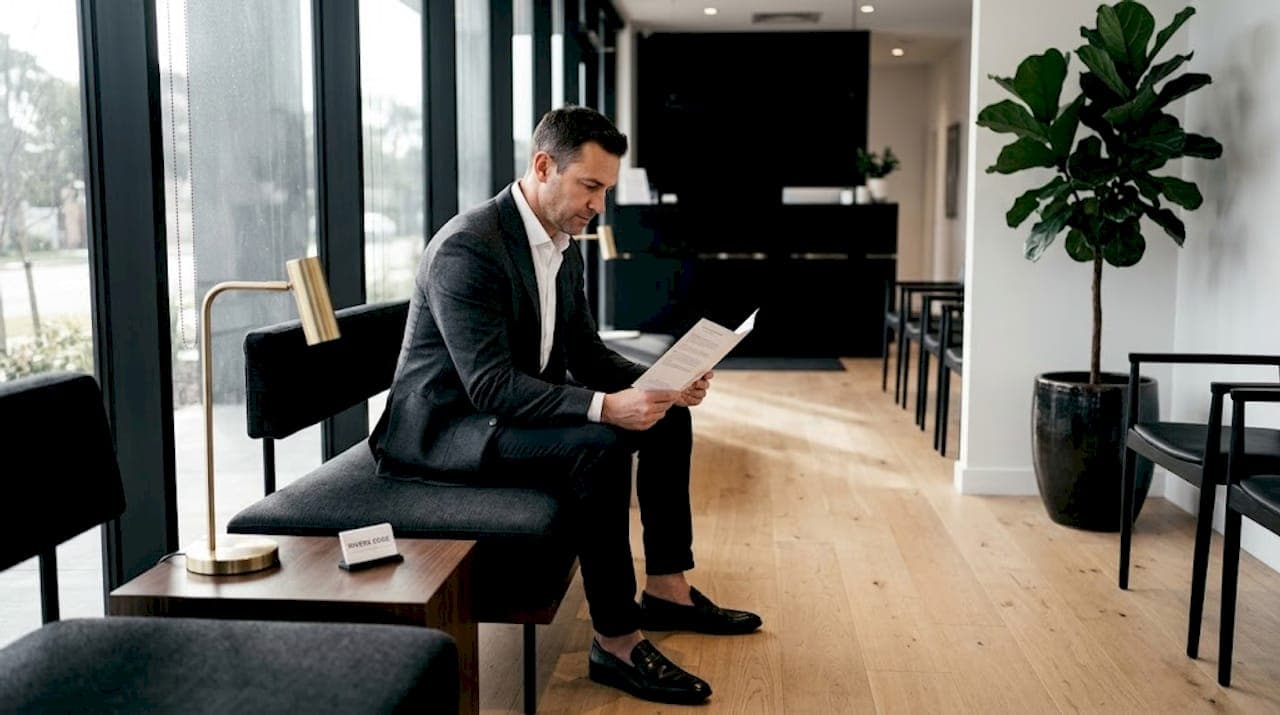
Walking into an aesthetic clinic for the first time raises a lot of questions. What exactly happens during the appointment? Will someone pressure you into booking a treatment? What does aesthetic clinic consultation involve beyond a quick look and a sales pitch? The answer is quite a lot more than most men expect. A thorough consultation is a structured, clinical process designed to understand your goals, examine your skin, and ensure you have everything you need to make a genuinely informed decision. Knowing what to expect beforehand makes the whole experience far less daunting and considerably more productive.
Table of Contents
- Key takeaways
- What an aesthetic clinic consultation involves
- Informed consent and why it matters
- How technology strengthens the consultation
- What happens after your consultation
- My honest take on men and aesthetic consultations
- Book your consultation at Riversedgeskinstudio
- FAQ
Key takeaways
| Point | Details |
|---|---|
| Consultations are clinical, not commercial | Expect a structured assessment of your skin, medical history, and goals rather than a sales conversation. |
| Informed consent is legally required | All material risks, alternatives, and your right to decline treatment must be clearly explained before you agree to anything. |
| Technology improves treatment accuracy | Advanced imaging and AI skin analysis help practitioners create precise, personalised treatment plans. |
| A cooling-off period is standard | You should be given at least 24 to 48 hours after the consultation before committing to any procedure. |
| Preparation helps you get more from it | Writing down your questions and concerns before you attend leads to better outcomes and less post-appointment regret. |
What an aesthetic clinic consultation involves
The aesthetic clinic process begins well before you sit in the treatment chair. From the moment you arrive, the appointment follows a deliberate sequence designed to gather information, build trust, and make sure the right decisions get made.
Arrival and pre-consultation paperwork
You will typically complete a medical history form before the practitioner sees you. This covers current medications, allergies, previous treatments, and any relevant health conditions. It is not bureaucratic box-ticking. This information directly shapes which treatments are safe and appropriate for you.
Goal-setting and honest conversation
The practitioner will ask what brought you in and what you are hoping to achieve. Effective consultations30010-2/fulltext) are both clinical and conversational, designed to understand your motivations and the emotional factors behind your treatment request. This is where you explain what bothers you, whether that is lines around the eyes, uneven skin tone, volume loss in the face, or something else entirely.
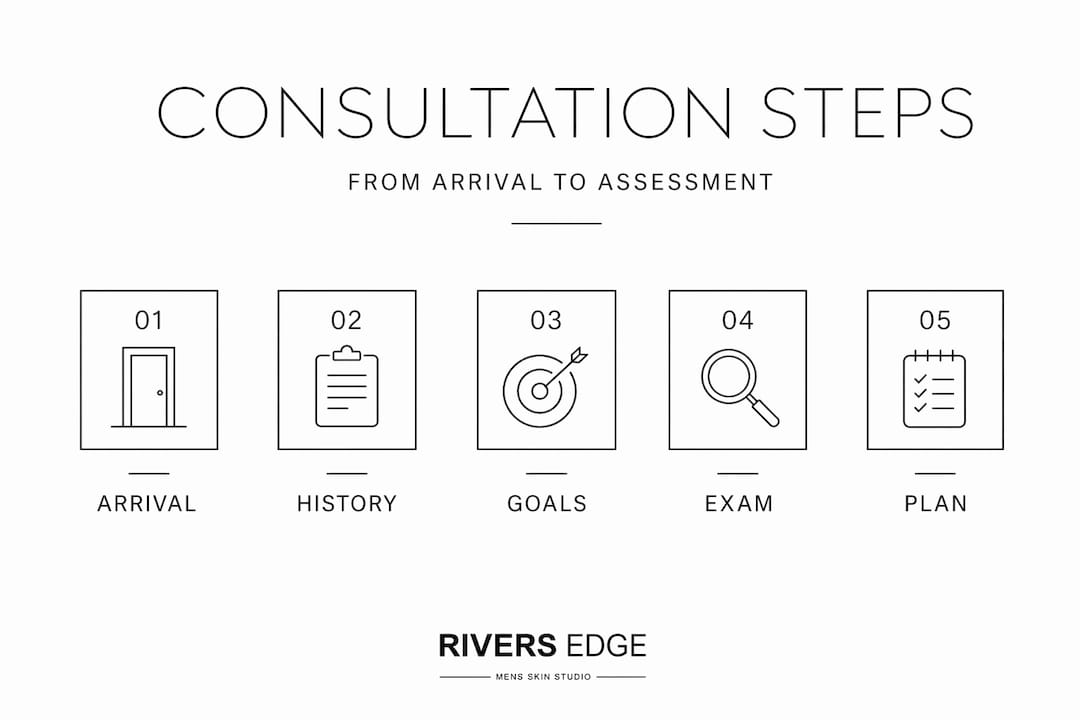
Physical examination and skin assessment
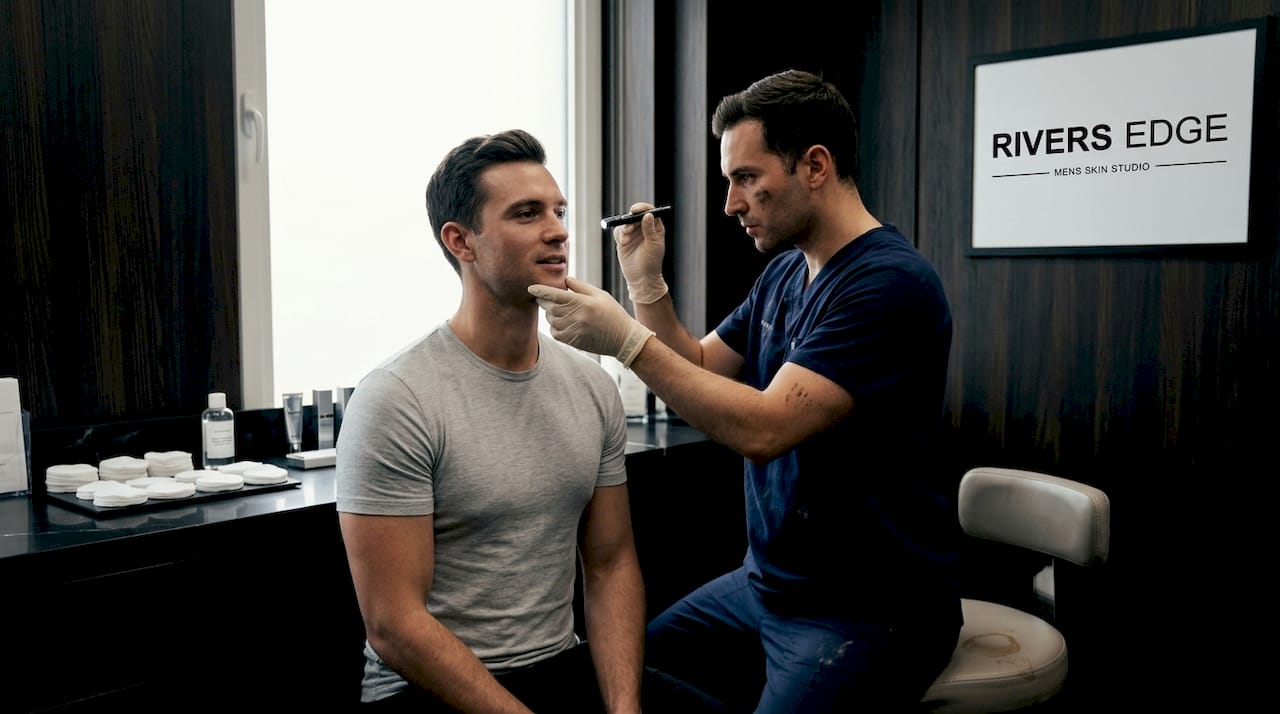
The practitioner will examine the areas you have discussed. This is not a passive glance. They are assessing skin texture, muscle movement, tissue quality, and symmetry. For anti-wrinkle treatments, for example, they will watch how your face moves dynamically as well as how it looks at rest.
Treatment discussion
Once the assessment is complete, the practitioner explains which treatments may help and why. This is where the steps in an aesthetic consultation become particularly useful. You should expect:
- A clear explanation of the recommended treatment and how it works
- Realistic expectations about what results are possible
- An honest outline of what is not achievable
- Mention of alternative approaches, including doing nothing at all
Pro Tip: Write down at least three questions before your appointment. People often forget everything they wanted to ask once they are in the room. Even questions that feel trivial are worth raising.
You are under no obligation to book anything on the day. A quality clinic will not pressure you to do so.
Informed consent and why it matters
Consent is not a signature on a form. It is a process, and it carries both ethical and legal weight that any reputable aesthetic clinic takes seriously.
Under the Montgomery standard, practitioners must disclose all material risks associated with a treatment, all reasonable alternatives including the option to have no treatment, and must be satisfied that you have the capacity and understanding to consent voluntarily. This is not optional. It is a legal requirement.
What counts as a material risk? Broadly, it is any risk that a reasonable person in your position would want to know about. That includes both common side effects and rare but serious complications. The fact that something is unlikely does not remove the obligation to mention it.
A good practitioner will never make you feel rushed through the consent process. If someone is speed-reading a risk list at you or steering the conversation away from complications, that is a red flag worth taking seriously.
Beyond the verbal discussion, contemporaneous clinical records of consent conversations are legally required. Consent forms alone are not sufficient. The clinic should be documenting the disclosure, your questions, and confirmation that you understood what was explained. This protects you as much as it protects them.
Cooling-off periods
A minimum of 24 to 48 hours between your consultation and any procedure is considered best practice. For more complex treatments, longer reflection may be encouraged. This time exists so you can review the information at home, discuss it with someone you trust, and return with any remaining questions before you commit.
How technology strengthens the consultation
One of the clearest signs you are in a quality clinic is the use of imaging and diagnostic technology during the assessment phase. This is no longer a specialist luxury. Advanced facial imaging is increasingly standard in modern aesthetic consultations, and for good reason.
| Technology | What it assesses | How it helps you |
|---|---|---|
| AI skin analysis | Skin texture, pore size, pigmentation, hydration | Creates a precise baseline before any treatment begins |
| Facial scanning | Symmetry, volume distribution, facial proportions | Allows treatment planning with accurate measurements |
| Ultrasound imaging | Tissue depth, blood vessel location | Reduces risk during injectable treatments such as fillers |
| Progress photography | Before-and-after comparison across sessions | Tracks changes objectively over multiple appointments |
Using these tools, practitioners can map injection depths and treatment parameters with far greater accuracy than visual assessment alone allows. For treatments like anti-wrinkle injections or dermal fillers, that precision makes a meaningful difference to both safety and results.
Pro Tip: Ask the clinic whether they use imaging technology during consultations before you book. Clinics that invest in these tools are demonstrating a commitment to precision rather than guesswork.
Technology also makes follow-up appointments more productive. When you have documented baseline images, both you and the practitioner can assess changes objectively rather than relying on memory. That leads to better decisions about whether to maintain, adjust, or extend a treatment plan. If you are weighing up professional versus home skincare, this kind of data-driven assessment is one area where clinic-based care genuinely cannot be replicated at home.
What happens after your consultation
The consultation is not the end of the process. Knowing what comes next helps you use the time between the appointment and your treatment decision effectively.
- Take home your written information. Reputable clinics provide information packs covering the treatment description, risks, costs, and contact details. Read it properly once you are home and not in the moment.
- Use the cooling-off period. Sit with the information for at least 24 to 48 hours. Avoid the temptation to book treatment on the same day regardless of how confident you feel leaving the clinic.
- Write down anything that occurs to you. Questions often surface after the appointment when your mind has had time to process. Note them down so you can raise them before treatment begins.
- Contact the clinic if your circumstances change. If you start a new medication, have an illness, or your goals shift between the consultation and your treatment appointment, let the clinic know. Any of these can affect your treatment plan.
- Expect consent to be revisited at your treatment appointment. A reputable clinic will reconfirm your consent on the day of treatment, not just rely on what was signed weeks earlier. This is standard practice, not unnecessary repetition.
For specific treatments, it is worth doing additional reading before you attend. Understanding what microneedling for men involves, for example, means you arrive at the consultation with sharper, more specific questions.
My honest take on men and aesthetic consultations
I've worked with men across every stage of the consultation process, and the pattern I see most often is straightforward. Men underestimate how detailed these appointments actually are. They expect a ten-minute chat and are surprised to find themselves in a forty-five-minute clinical conversation covering their health history, skin biology, treatment risks, and goals. That surprise is usually a good thing. It builds confidence.
What I've noticed is that the men who get the most out of their consultations are the ones who treat it like a proper appointment rather than a browse. They arrive with questions written down. They push back when something is unclear. They do not feel embarrassed asking about unlikely complications, because the practitioner expects and welcomes those questions.
The cooling-off period is something I think is underused. Most men decide within hours of leaving the clinic. The 48-hour window exists precisely because the detail of a consultation can feel overwhelming in the room. Distance gives you clarity. Use it.
My strongest advice is this: a consultation where you leave feeling slightly informed but slightly uncertain is not a good consultation. You should leave understanding your skin, knowing what the proposed treatment does, being clear on the realistic results, and feeling confident enough to make a decision when you are ready. Knowing what to expect before you walk in makes all of that far more likely.
— David
Book your consultation at Riversedgeskinstudio
Riversedgeskinstudio is built around one straightforward idea: men deserve consultations that take their skin seriously.
Every aesthetic treatment consultation at Riversedgeskinstudio begins with a thorough assessment of your skin concerns, goals, and medical history. The studio uses modern imaging technology to create precise baselines and personalised treatment plans rather than generic protocols. Informed consent is taken seriously here. You will never be pressured to book on the day, and cooling-off time is built into the process as standard. Clear communication during the consultation leads to higher satisfaction and better results, and that starts with getting the preparation right. Explore the full range of men's skin treatments available, or visit the booking tips for Merseyside men to get ready for your first appointment.
FAQ
What does an aesthetic consultation involve?
An aesthetic treatment consultation typically involves a review of your medical history, a skin and facial assessment, discussion of your goals, an explanation of suitable treatments, and a thorough outline of risks and alternatives. You should also receive written information to take home.
How long does an aesthetic clinic consultation last?
Most aesthetic consultations run between 30 and 60 minutes, depending on the complexity of your concerns and the number of treatments being considered. More detailed skin assessments using imaging technology may take longer.
Can I book treatment on the same day as my consultation?
Reputable clinics recommend a cooling-off period of at least 24 to 48 hours between your consultation and any procedure. This gives you time to review the information, consider your decision, and raise any remaining questions before committing.
What questions should I ask at an aesthetic clinic?
Useful questions for aesthetic clinic appointments include asking about realistic results, how long effects last, what the recovery involves, what risks apply specifically to you, and what alternatives exist including doing nothing. Writing these down before you attend means you will not forget them in the moment.
Do all aesthetic clinics use imaging technology?
Not all clinics use imaging tools, but their use is growing as technology-assisted consultations become increasingly standard. Clinics that invest in AI skin analysis, facial scanning, or ultrasound are typically offering a more precise, safer approach to treatment planning.