
Yes. Botox is a genuinely effective treatment for sweaty palms, with clinical bodies reporting reductions in sweating of around 80 to 90% for many patients. Most men notice drier hands within 2 to 4 days, with full effect settling in by two weeks. Results typically last 4 to 6 months, and clinics usually recommend it once antiperspirants and iontophoresis haven't done the job.
TL;DR:
- Botox reduces sweaty palms by 80 to 90%, with full effects appearing in two weeks and lasting four to six months.
- Treatment involves multiple injection points spaced across the palm, with pain managed through topical anesthetic, ice, or nerve blocks.
- Candidates typically have primary focal hyperhidrosis, while secondary hyperhidrosis requires medical assessment for causes like medication or underlying conditions.
- Pre-treatment options such as antiperspirants, iontophoresis, and medications are often effective enough to avoid immediate Botox injections.
- Side effects include brief discomfort and temporary weakness in hand strength, especially affecting fine motor tasks, with recovery usually within a few weeks.
Table of Contents
- How does the sweaty hands Botox procedure work?
- Are you a suitable candidate for palmar Botox?
- What should you try before Botox?
- What are the side effects and risks of Botox for hands?
- How much does Botox for sweaty hands cost, and will the NHS pay?
- How do you choose a clinic for palmar Botox?
- What happens after treatment and when do you need another session?
- A clinic's view on treating men's sweaty hands
- Book a consultation at Rivers Edge Skin Studio
- Sources
How does the sweaty hands Botox procedure work?
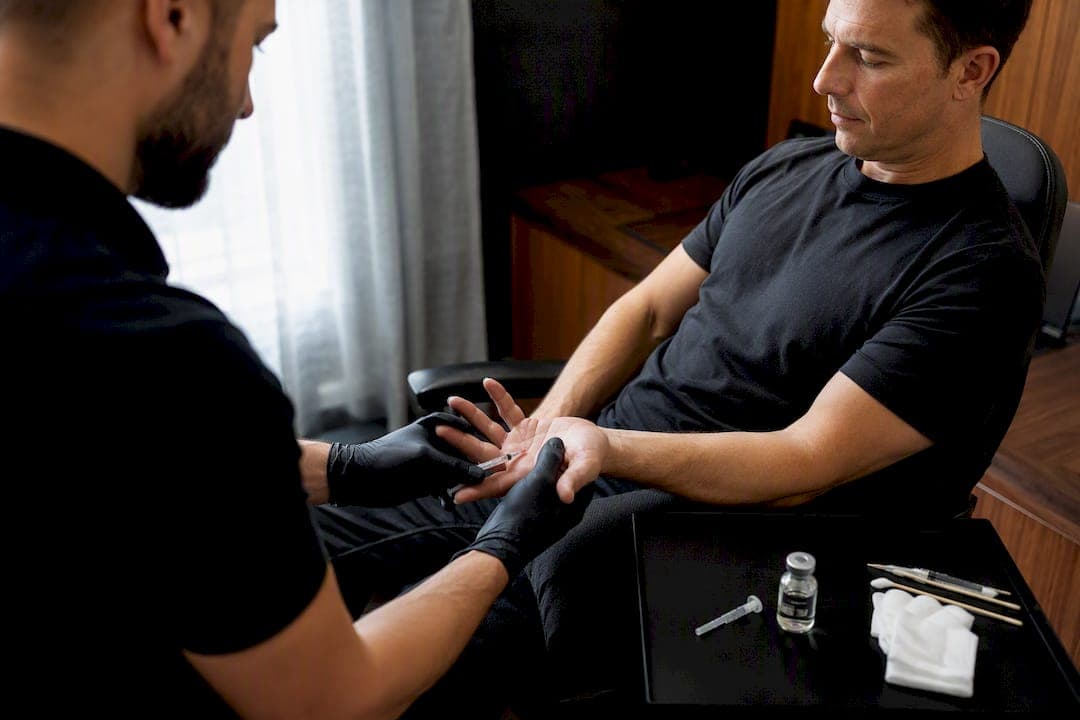
The clinician maps out a grid across your palm, usually spacing injection points around a centimetre apart. This isn't guesswork. Palms are dense with sweat glands and nerve endings, so a scattered pattern of small doses covers the gland network far more effectively than a handful of larger injections in fewer spots.
It's also why palm treatments tend to involve more injection points, and more discomfort, than a similar session on the underarms. Clinics compensate with proper anaesthesia planning rather than expecting men to grit their teeth through it.
Pain management options usually include:
- Topical anaesthetic cream applied 30 to 45 minutes beforehand to numb the surface.
- Ice or cooling devices pressed against the skin immediately before each injection to blunt the sting.
- Vibration tools that distract nerve signals during the injection itself, a technique borrowed from paediatric phlebotomy.
- Nerve block injections for men with a lower pain threshold or larger treatment areas, administered before the main session begins.
The total dose is decided by your clinician based on palm size and sweat severity, not a fixed number pulled from a chart. The appointment itself is short, usually under an hour including numbing time, and you walk out the same day with no downtime beyond avoiding certain activities for a week or two, covered later on.
You won't see instant results. Sweat glands take time to lose their nerve signal, which is why the a few days onset window matters. If your palms feel just as damp the next morning, that's normal. Give it the full fortnight before judging the outcome.
Pro Tip: Book your consultation a few weeks before any event where sweaty palms would be a problem, a wedding, a big presentation, a job interview. The two-week runway to full effect means last-minute bookings often disappoint.
Are you a suitable candidate for palmar Botox?
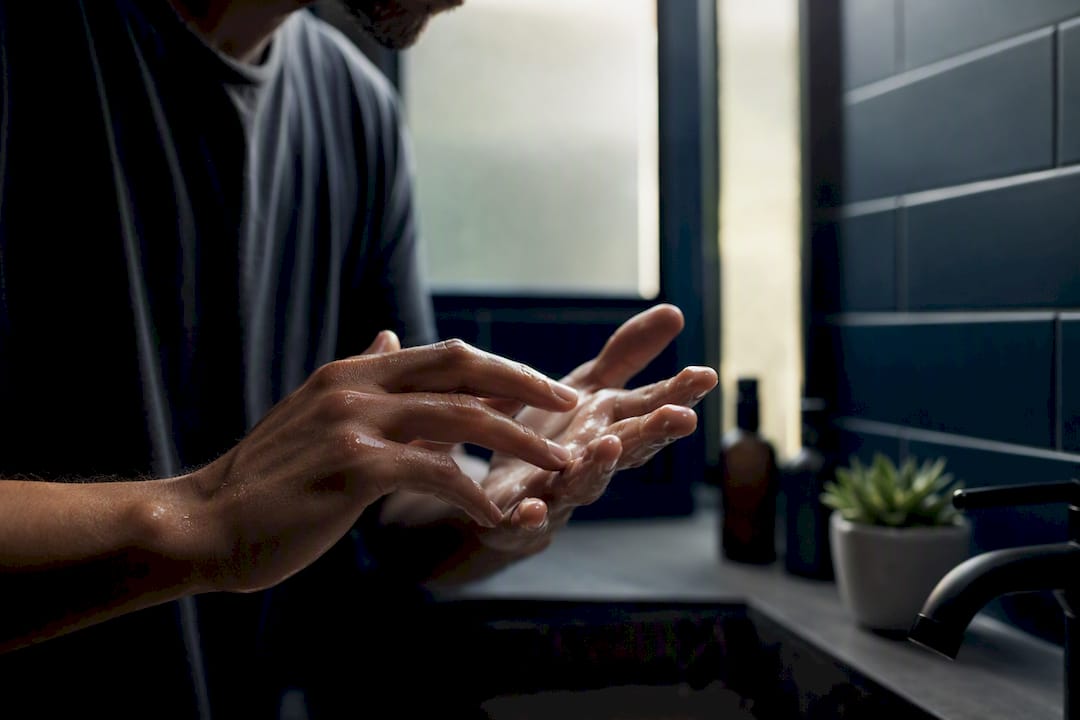
Most men seeking this treatment have primary focal hyperhidrosis: sweating that affects both hands equally, started in childhood or the teenage years, and often runs in the family. If that sounds like your situation, you're in the group Botox is designed for.
Secondary hyperhidrosis is a different picture, and it needs medical review rather than a cosmetic booking. Watch for these signals:
- Sweating that started suddenly in adulthood with no prior history.
- Sweating on one side of the body only.
- Night sweats, unexplained weight loss, or a racing heartbeat alongside the sweating.
- Sweating linked to starting a new medication.
A proper consultation will take a clinical history, ask about family patterns, and may use a severity scale to grade how much your daily life is affected. Some clinics use the iodine starch test, painting the palm with iodine solution and dusting it with starch, to map exactly which areas sweat most and confirm the diagnosis visually. Basic blood tests or a medication review are appropriate if anything in your history points towards a secondary cause, as outlined in clinical hyperhidrosis reviews. Severity, not preference, is what should guide whether you move straight to Botox or try something gentler first.
What should you try before Botox?
Clinics don't jump straight to injections, and for good reason. The typical pathway runs through several conservative steps first, partly because they're cheaper and partly because a meaningful number of men get enough relief without needle work.
- Aluminium chloride hexahydrate antiperspirants, applied nightly to dry skin, are usually the first line. They work by physically plugging sweat ducts, but skin irritation is common and many men stop using them before giving them a fair trial.
- Iontophoresis passes a mild electrical current through water while your hands are submerged, typically 2 to 3 sessions weekly at the start, tapering to occasional maintenance once sweating improves. It's effective for a good proportion of users but demands ongoing commitment; skip the maintenance sessions and sweating tends to creep back.
- Oral anticholinergic medications reduce sweating systemically, which means the side effects are systemic too: dry mouth, blurred vision, and constipation are common enough that many men find the trade-off isn't worth it.
- Surgery, specifically endoscopic thoracic sympathectomy, sits at the far end of the pathway. It's permanent, which sounds appealing until you factor in compensatory sweating elsewhere on the body, a well-documented side effect that can be worse than the original problem, alongside standard surgical risks.
Mayo Clinic guidance places Botox as the step after topical treatments or iontophoresis have failed to deliver enough improvement, which is a sensible middle ground between daily maintenance routines and irreversible surgery.
Pro Tip: If iontophoresis worked but you've drifted off the maintenance schedule, restart it properly before booking Botox. It costs nothing but time, and some men rediscover it's enough.
What are the side effects and risks of Botox for hands?
The common local effects are unremarkable: brief injection pain, small bruises, and occasional numbness or soreness in the treated area for a day or two. Most men tolerate the session without complaint once the anaesthetic options above are in play.
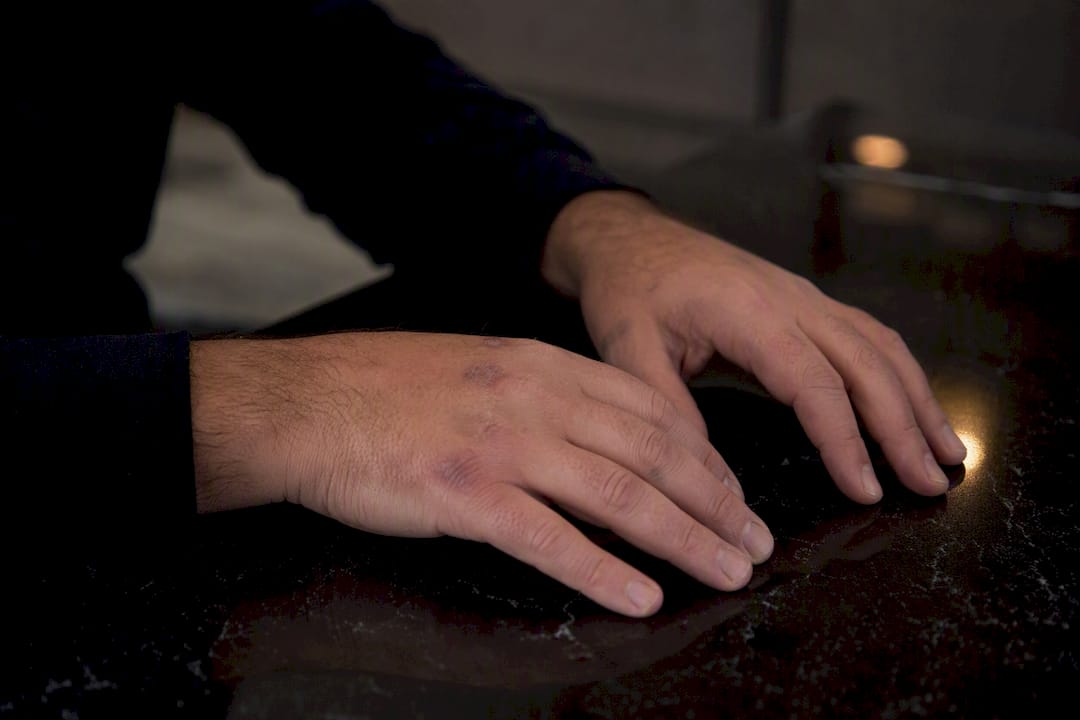
The side effect specific to hands, and the one worth understanding properly, is temporary weakness in fine motor tasks. A randomised trial on palmar botulinum toxin recorded measurable reductions in pinch strength shortly after injection, alongside sweat reduction that lasted at least two months in every participant and persisted at six months in two-thirds of them. That trade-off is real, not theoretical.
What this means practically:
- Grip and pinch strength can dip for one to two weeks, sometimes longer.
- Tasks needing fine precision, buttoning shirts, using tools, playing an instrument, are the ones most likely affected.
- Recovery is generally full; the weakness tracks the toxin's effect and fades as it does.
- Rare systemic reactions (widespread muscle weakness, swallowing or breathing difficulty) need urgent medical attention, though these are far more associated with higher-dose treatments elsewhere in the body than standard palmar dosing.
Because palms carry dense innervation and many small glands packed together, technique and dosing genuinely shape both outcome and side-effect risk. Ask your clinician directly how they adjust injection depth and spacing to reduce weakness while still hitting enough glands to matter. It's a fair question, and a good clinic will have a considered answer rather than a shrug.
How much does Botox for sweaty hands cost, and will the NHS pay?
Private pricing varies by clinic location, the total dose needed for your palm size, and the seniority of the injector. Because palms typically require more units and more injection points than underarms, expect the cost to sit higher than a standard cosmetic Botox session.
The bigger budgeting factor is repetition. Effects fade around the 4 to 6 month mark, so this isn't a one-off spend; it's a recurring line item if you want to keep dry hands year-round. Worth mapping that out before committing to the first session.
On NHS funding:
- NHS guidance confirms botulinum toxin is a recognised treatment option for excessive sweating.
- Funding depends on local commissioning policy and is typically reserved for severe cases where conservative treatments have already failed.
- A GP conversation is the right starting point if you want to explore NHS eligibility rather than assuming private treatment is the only route.
- Always get a written quote before treatment, and check it specifies dose, number of sessions included, and what happens if results fall short.
How do you choose a clinic for palmar Botox?
Credentials matter more here than in most cosmetic treatments, given the technical demands of palm injection patterns. Look for a clinician with documented training specifically in hyperhidrosis treatment, not just general aesthetic Botox experience.
Questions worth asking at consultation:
- How many units do you typically use for palms, and how is that decided for me?
- What's your approach to pain management during the session?
- What's the realistic risk of hand weakness with your technique, and how long does it usually last?
- What's your follow-up policy if sweating returns sooner than expected?
- Are there additional fees if I need a top-up session?
Genuine trust signals include a clinic willing to discuss documented outcomes, a proper written consent process that covers the weakness risk honestly, and a clear plan for follow-up rather than a one-and-done appointment. Be wary of any clinic that skips your medical history entirely, promises zero risk of weakness, or is vague about total cost until after you've paid a deposit.
Pro Tip: Ask to see how the clinic documents outcomes for previous hyperhidrosis patients. A clinic confident in its results will show you, not just tell you.
What happens after treatment and when do you need another session?
The first week calls for a bit of restraint to maintain a sweat-proof beard hold and keep your beard fresh through workouts. Skip heavy manual work, the gym session that involves gripping weights, and sauna visits, since heat and friction on freshly injected palms aren't ideal. Mild soreness responds well to simple measures like paracetamol and avoiding pressure on the palms.
What to expect in the following weeks:
- Fine motor skills, if affected at all, typically return to normal within one to two weeks.
- If your work or hobbies demand precision, plan lighter tasks for that window rather than pushing through.
- Retreatment for palms is usually needed around every 4 to 6 months, though this varies between individuals depending on gland density and metabolism.
- Clinics measure success by asking about daily-life impact and sweat severity at follow-up, then schedule the next session based on when sweating starts creeping back rather than a fixed calendar date.
A clinic's view on treating men's sweaty hands
Most men who come to us about this haven't mentioned it to anyone before. Sweaty palms cause a particular kind of embarrassment, the handshake avoided, the paperwork blotted, the reluctance to hold a partner's hand, and by the time men book a consultation, they've usually tried everything short of medical help.
What works is treating each case on its own terms: mapping the palm properly, choosing an anaesthesia approach that suits the individual's pain tolerance, and being upfront about the temporary weakness trade-off rather than glossing over it. We track outcomes at follow-up so treatment plans and timing adjust to how each man's hands actually respond, not a generic schedule. You can read more on our approach to male-focused Botox treatment.
— David
Book a consultation at Rivers Edge Skin Studio
Rivers Edge Skin Studio treats palmar hyperhidrosis with the same precision we bring to every men's skin treatment: a personalised plan built around your palm size, sweat severity, and pain tolerance, not a one-size template. Your first appointment covers a proper clinical history, a discussion of realistic outcomes and the temporary weakness trade-off, and an injection pattern mapped specifically to your hands.

We talk you through dose, timing, and follow-up before a single injection happens, so there are no surprises about cost or recovery. If sweaty hands have been holding you back at work, in the gym, or just shaking someone's hand, book a consultation through our men's skin treatments and services page and get a straight answer on whether Botox fits your case.
Sources
For deeper clinical detail, see NHS guidance on excessive sweating, the International Hyperhidrosis Society's Botox overview, and our complete guide to excessive sweat treatment.
This article is general information, not a substitute for advice from a qualified doctor. Consult a qualified healthcare professional about your own circumstances before acting on anything here.
- OnabotulinumtoxinA Injections (Botox®)
- Prospective randomised trial on palmar botulinum toxin
- Hyperhidrosis - NHS
- Hyperhidrosis — Mayo Clinic
- Hyperhidrosis — StatPearls (NCBI Bookshelf)