
Anti-wrinkle injections are cosmetic treatments that use botulinum toxin type A to temporarily block nerve signals to facial muscles, softening expression lines caused by movement. Clinically known as neuromodulators, these treatments are marketed under brand names including Botox and Dysport. They target dynamic wrinkles such as frown lines, forehead lines, and crow's feet. Clinical effects take around two weeks to fully develop and last approximately three to four months. Understanding how they work, what to expect, and how to choose a safe provider is the foundation of any informed decision.
How do anti-wrinkle injections work to reduce wrinkles?
Botulinum toxin type A works by preventing specific facial muscles from contracting. When injected in small, precise doses, it blocks the nerve signal that tells a muscle to move. The muscle relaxes, and the skin above it smooths out. The effect is not a permanent skin change. It is a temporary reduction in muscle movement that lessens wrinkle formation for the duration of the treatment.
The distinction between wrinkle types matters enormously here. Dynamic wrinkles form through repeated muscle movement, such as squinting or frowning. Static wrinkles are visible even when your face is at rest and are caused by collagen loss and skin laxity over time. Botulinum toxin is more effective for dynamic wrinkles than for static ones, which may require complementary treatments such as dermal fillers or skin resurfacing to address fully.
Regular treatment also has a preventive dimension. When a muscle is repeatedly relaxed over months and years, it is less able to etch new lines into the skin. Many patients in their late twenties and thirties begin treatment partly for this reason, not just to address existing lines but to slow the formation of deeper ones.
Key facts about how the treatment works:
- Onset of visible results typically begins within three to five days, with full effect at around 14 days
- Effects last approximately three to four months before nerve and muscle function gradually returns
- Technique and muscle selection determine both the result and the risk of complications such as eyelid drooping
- Deep static wrinkles often require combination therapies beyond botulinum toxin alone for satisfactory results
Pro Tip: Do not judge your result before the two-week mark. Assessing too early can lead to unnecessary top-up treatments or altered plans that were never needed.
What results can you expect from anti-wrinkle injections?
The most consistent outcome is a visible softening of expression lines in the treated areas. Forehead lines flatten, frown lines between the brows reduce, and crow's feet around the eyes become less pronounced. Skin in these zones looks smoother and more rested, without the frozen appearance that poor technique can produce. Patient satisfaction depends strongly on realistic expectations and proper clinical technique, which is why choosing an experienced practitioner matters as much as the product itself.
Common benefits patients report include:
- Smoother forehead and reduced horizontal lines
- Softened frown lines between the brows (glabellar lines)
- Reduced crow's feet around the outer corners of the eyes
- A more rested and refreshed overall appearance
- Slowed formation of new expression lines with consistent maintenance
Results are temporary by design. Nerve and muscle function gradually returns after three to four months, and maintenance treatments are necessary to sustain the effect. Most patients schedule three to four sessions per year. Over time, some find that the muscles weaken slightly with repeated treatment, meaning intervals between sessions can lengthen.
Anti-wrinkle injections also work well alongside other procedures. Treatments such as HydraFacials, microneedling, and chemical peels address skin texture, tone, and collagen production. Combining these with neuromodulator treatments gives a more complete result than either approach alone. For men specifically, complementary local treatments can address concerns like skin roughness and enlarged pores that injections alone do not target.
What are the risks and side effects of anti-wrinkle injections?
Common short-term side effects include injection-site bruising, mild swelling, tenderness, and minor headaches. These are generally mild and resolve within a few days. Bruising can occasionally be more pronounced, with some patients experiencing marks that take up to two weeks to fully clear. This is more likely in patients who take blood-thinning medications or supplements such as aspirin, ibuprofen, or high-dose fish oil.
Rare but serious risks do exist. Systemic muscle weakness and severe allergic reactions are very uncommon in cosmetic use but require prompt medical attention if they occur. Symptoms such as difficulty swallowing, speaking, or breathing after treatment are red flags that warrant immediate assessment. These outcomes are associated with incorrect dosing or injection into unintended tissue, which is why practitioner skill is not a secondary consideration.
A summary of side effects by frequency:
| Side effect | Frequency | Typical resolution |
|---|---|---|
| Injection-site bruising | Common | Three to fourteen days |
| Mild swelling and tenderness | Common | Two to five days |
| Headache | Occasional | Twenty-four to forty-eight hours |
| Eyelid drooping (ptosis) | Rare | Two to six weeks |
| Systemic muscle weakness | Very rare | Requires medical review |
| Severe allergic reaction | Very rare | Requires emergency care |
Pro Tip: Avoid alcohol, aspirin, and ibuprofen for at least 24 hours before your appointment. This reduces the likelihood of bruising at injection sites.
Choosing a regulated clinic and a qualified prescriber is the single most effective way to reduce your risk. The importance of this has grown significantly with recent regulatory changes in England.
What does the anti-wrinkle injection treatment process involve?
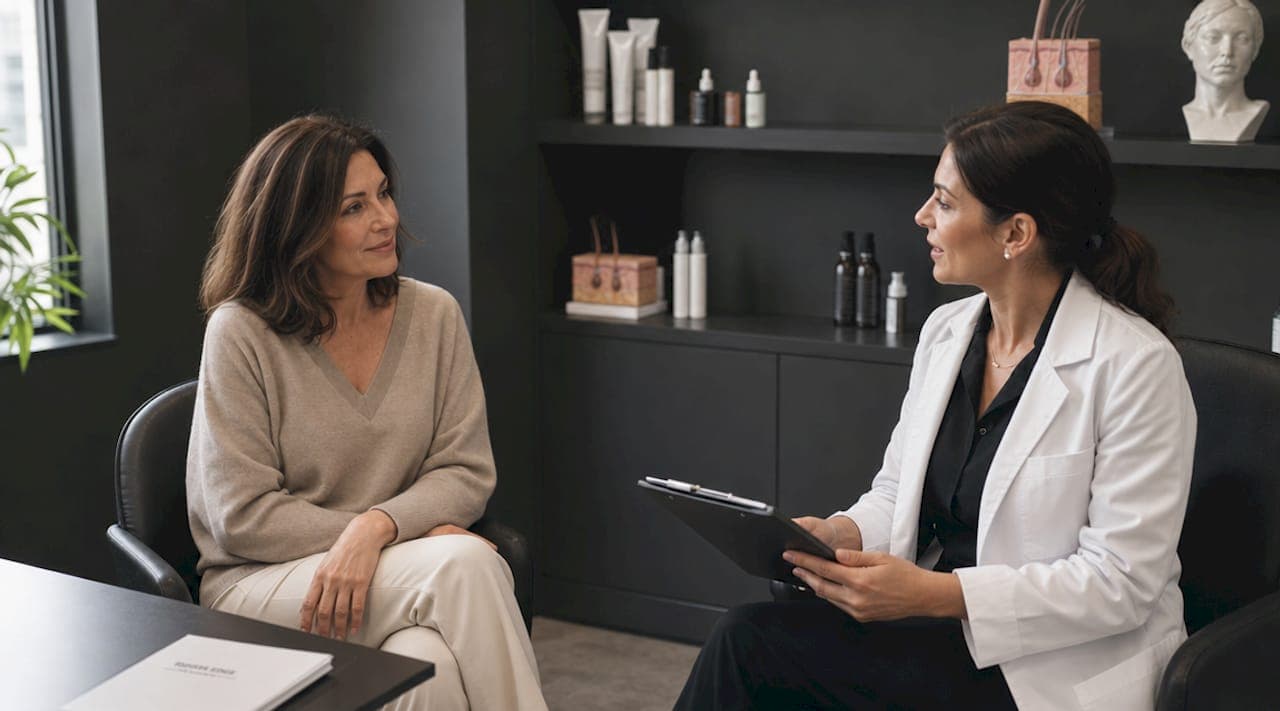
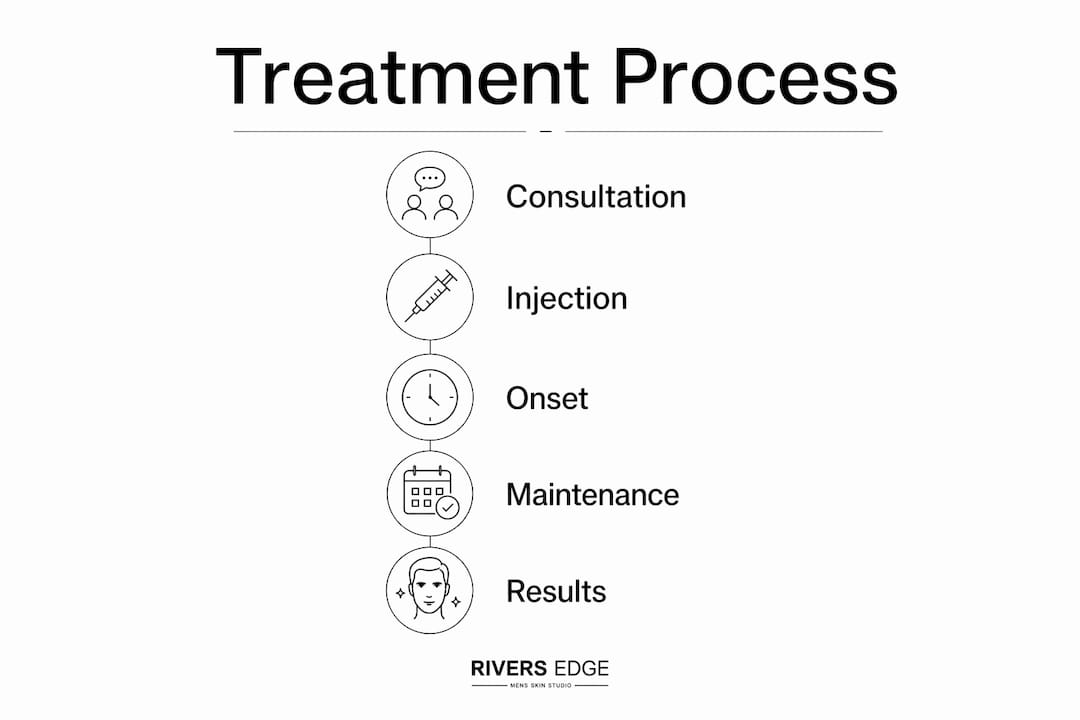
A properly conducted treatment begins with a medical consultation. This covers your medical history, current medications, previous cosmetic treatments, and your aesthetic goals. The practitioner assesses your facial anatomy, identifies which muscles are responsible for your specific lines, and explains what the treatment can and cannot achieve. What an aesthetic clinic consultation involves for men is worth understanding before you book, as a thorough assessment is a marker of clinical quality.
The injection process itself is straightforward:
- The treatment area is cleansed and, in some cases, a topical numbing cream is applied
- The practitioner marks the injection sites based on your muscle anatomy and treatment plan
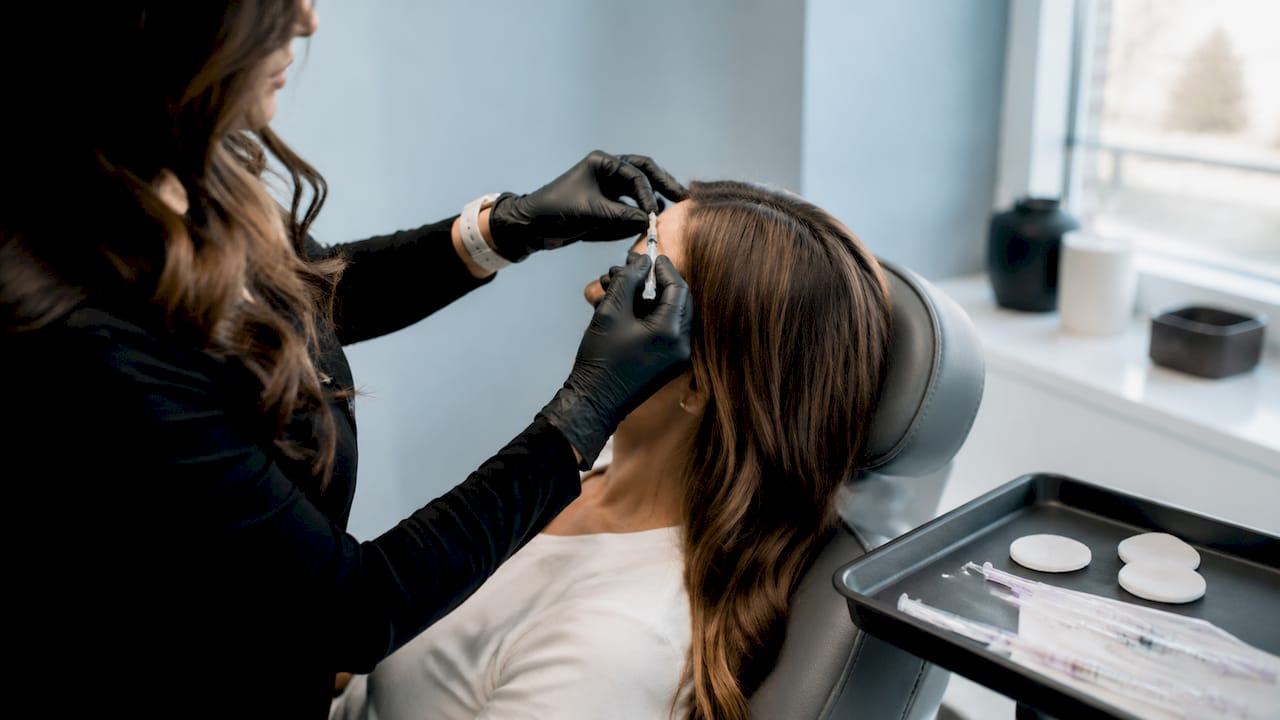
- Small doses of botulinum toxin are injected into targeted muscles using a fine needle
- Multiple injection points are used across the treatment area for even distribution
- The session typically takes fifteen to thirty minutes from start to finish
- You receive aftercare instructions before leaving the clinic
Post-treatment care is simple but worth following carefully. Avoid rubbing or massaging the treated area for at least four hours. Stay upright for a similar period. Avoid strenuous exercise and excessive heat, such as saunas or hot showers, for twenty-four hours. These precautions reduce the risk of the product migrating to unintended muscles.
From a regulatory standpoint, botulinum toxin injections are prescription-only medicines in England, and from October 2025, clinics must be registered with the Care Quality Commission (CQC) to carry out injectable cosmetic procedures. This means any clinic offering these treatments legally must meet defined safety and governance standards. It is a meaningful protection for patients and a straightforward way to verify a clinic's legitimacy before booking.
How to choose a safe clinic for anti-wrinkle injections
The clinic you choose matters as much as the treatment itself. Regulation in England has tightened considerably, and patients now have clearer tools to verify provider legitimacy. When assessing a clinic, look for the following:
- CQC registration: From October 2025, this is a legal requirement for injectable cosmetic procedures in England. Check the CQC website directly.
- Qualified prescriber: Botulinum toxin must be prescribed by a registered medical professional, such as a doctor (GMC), dentist (GDC), or nurse prescriber (NMC).
- Transparent consultation: A reputable clinic will discuss risks, realistic outcomes, and alternatives before any treatment is agreed.
- Personalised treatment plan: Cookie-cutter approaches ignore individual facial anatomy. A good practitioner tailors dose and injection sites to your specific muscles.
- No unrealistic promises: Any provider claiming to "erase all wrinkles" or offering unusually low prices without a consultation is a red flag.
Men seeking treatment benefit from clinics that understand male facial anatomy specifically. Male facial muscles are generally larger and stronger than female ones, which affects dosing. A clinic experienced with men's skin clinic best practices will account for this rather than applying a one-size-fits-all approach. Pairing your injectable treatment with a broader ageing skin care routine also extends and enhances the results you see between sessions.
Key takeaways
Anti-wrinkle injections work by temporarily relaxing targeted facial muscles with botulinum toxin type A, softening dynamic wrinkles for three to four months per treatment cycle.
| Point | Details |
|---|---|
| Mechanism of action | Botulinum toxin blocks nerve signals to muscles, reducing movement and softening expression lines. |
| Best wrinkle type to treat | Dynamic wrinkles respond most strongly; static wrinkles at rest may need complementary treatments. |
| Results timeline | Full effect develops at 14 days and lasts approximately three to four months. |
| Safety and regulation | From October 2025, CQC registration is legally required for injectable cosmetic clinics in England. |
| Choosing a provider | Verify CQC registration, prescriber qualifications, and a personalised consultation before booking. |
What I have learned after years of watching men approach this treatment
The most common mistake I see is men arriving with a binary expectation: either the treatment will make them look ten years younger overnight, or it is a gimmick not worth their time. Neither is accurate. What botulinum toxin does well is specific and measurable. It softens the lines your face makes when you move. It does not resurface skin, restore lost volume, or address the texture changes that come with sun damage or ageing collagen. When men understand that distinction before they walk in, their satisfaction rate is consistently higher.
The second thing I have observed is that men tend to underestimate how much technique matters. Two practitioners using the same product in the same area can produce very different results. Dosing for male facial muscles requires a different approach than for female ones, and a practitioner who does not account for that will either under-treat or create an unnatural result. The regulatory changes in England from 2025 onwards are a genuine improvement in this regard. CQC registration and prescription-only status mean the floor for clinical standards has risen, and patients are better protected than they were three years ago.
My honest advice: start with a thorough consultation, ask to see before-and-after results from male patients specifically, and do not let price be your primary filter. A well-executed treatment at a regulated clinic is worth considerably more than a discounted one that leaves you looking stiff or uneven.
— David
Treatments for men at Riversedgeskinstudio

Riversedgeskinstudio is a specialist men's skin clinic offering anti-wrinkle injections alongside HydraFacials, microneedling, chemical peels, and scalp treatments for hair loss. Every treatment plan is built around your specific facial anatomy and skin goals, with results-driven outcomes in a premium, comfortable environment. The clinic operates to full CQC registration standards, with qualified prescribers overseeing all injectable treatments. If you are ready to understand what is possible for your skin, explore the full range of men's skin treatments at Riversedgeskinstudio and book a consultation to get a personalised assessment.
FAQ
What are anti-wrinkle injections made from?
Anti-wrinkle injections contain botulinum toxin type A, a purified protein that temporarily blocks nerve signals to targeted facial muscles. Commercial brands include Botox and Dysport.
How long do anti-wrinkle injection results last?
Results typically last three to four months. Full effect develops around 14 days after treatment, after which nerve and muscle function gradually returns.
Are anti-wrinkle injections safe for men?
Anti-wrinkle injections are considered safe when administered by a qualified prescriber at a CQC-registered clinic. Serious complications are very rare; common side effects such as bruising and mild swelling resolve within days.
Do anti-wrinkle injections work on all wrinkle types?
They work most effectively on dynamic wrinkles caused by muscle movement. Static wrinkles visible at rest often require additional treatments such as dermal fillers or skin resurfacing for a satisfactory result.
How often do you need anti-wrinkle injections?
Most patients require three to four treatments per year to maintain results. With consistent treatment over time, some patients find the intervals between sessions can gradually lengthen as muscles weaken slightly.