
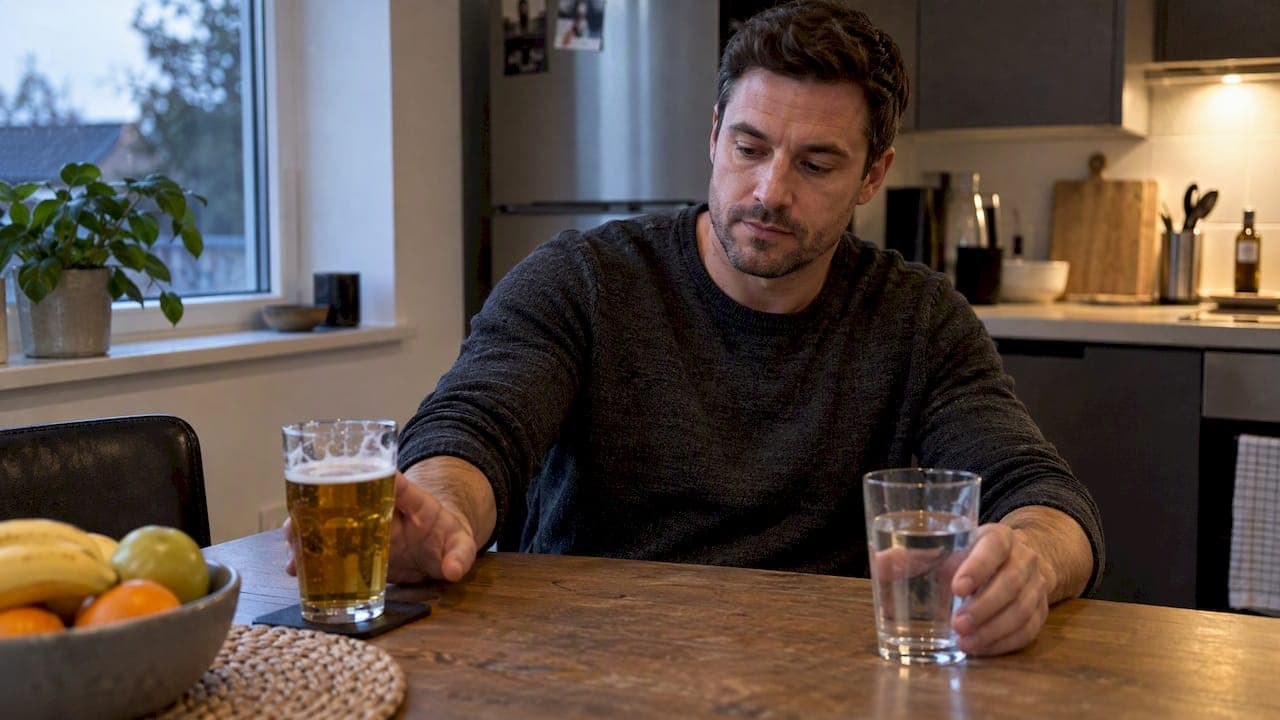
Avoid alcohol for at least 24 hours before Botox and for 24 to 48 hours afterwards. The reason is practical: alcohol raises the chance of bruising and can worsen dizziness or headaches straight after treatment. There is no supported evidence that alcohol changes how well Botox works long term. Always confirm the exact window with your injector, as clinics set their own rules.
TL;DR:
- If you bruise easily or have an important event approaching, ask your injector whether a longer break or rescheduling would reduce visible bruising risk.
- Bring a complete list of medicines and supplements, especially blood thinners, aspirin, pain relievers, fish oil, and vitamin E; never stop prescriptions without medical advice.
- Rebook if you arrive hungover; dehydration, headache, and nausea can obscure whether later discomfort comes from the injections or your hangover.
- Disclose heavy regular drinking or liver disease during consultation, because alcohol can affect clotting and healing, and your injector may recommend delaying treatment.
Table of Contents
- How long should you stop drinking before and after injections?
- Why does alcohol raise the risk of bruising?
- What should you do in the days and hours before your appointment?
- Can you drink after Botox, and what should you watch for?
- When do you need extra caution?
- How do clinics keep bruising to a minimum?
- Does alcohol affect how well Botox works or how long it lasts?
- Is alcohol before Botox different for men than for women?
- How much alcohol is too much before treatment?
- A clinic perspective on alcohol and Botox
- FAQ
- Sources
How long should you stop drinking before and after injections?
Most guidance lands on one simple rule. Rotherham NHS Foundation Trust patient guidance advises avoiding alcohol for 24 hours before and after botulinum toxin injections, and in some pathways avoiding alcohol and exercise for two days afterwards. Some practices may recommend a longer window, so check with your injector.
Here is how to choose your window:
- 24 hours before, 24 to 48 hours after: the common baseline for most men with no bruising history.
- A longer window: may be worth discussing with your injector if you bruise easily or have an event coming up.
- Longer than that: only if your injector asks for it, usually because of a medical reason.
If in doubt, tell your injector how you bruise and how much you drink, then take the longer window. A short pause may be a modest inconvenience compared with the possibility of a visible bruise. If you are planning around a social calendar, our guide on how long Botox lasts in men helps you time the next session too.
Why does alcohol raise the risk of bruising?
Alcohol may contribute to flushing, but the precise reasons it could affect bruising after injections are not established. Bruising varies between people, and your injector can discuss your individual risk.
There is a second issue. Alcohol can cause headache, dizziness, nausea and dehydration on its own. Botox can cause some of the same short-lived effects. Medical News Today notes there are no known direct interactions between Botox and alcohol, but drinking may make side effects such as nausea, headache or dizziness more likely or more intense. Healthline says much the same: because both can cause similar immediate effects, you may feel them more if you drink around the time of your injections.
That overlap makes it harder to tell what is causing a symptom, and it can make an ordinary reaction feel worse than it needs to. The concern is immediate healing and how your skin looks in the first days. It is not a worry that alcohol will somehow undo the treatment.
What should you do in the days and hours before your appointment?
Keep the preparation short and practical. Here is a checklist for men booking treatment:
- Stop alcohol for the window your injector advises, at least 24 hours.
- Write down every medicine and supplement you take, including aspirin, anti-inflammatories, fish oil and vitamin E, and bring the list.
- Ask your clinician before stopping anything. Never drop a prescribed medicine on your own.
- Skip heavy exercise, saunas and hot baths for 24 hours beforehand.
- Tell your injector in advance if you bruise easily, so they can advise a longer break or extra precautions.
- Arrive hydrated, with clean skin and no recent shave irritation on the treatment area.
Pro Tip: If you bruise easily, avoid scheduling treatment close to an important event, and ask your injector how much time to allow for recovery.
For a wider routine, our men's checklist for preparing skin before an aesthetic procedure covers the skin side in more detail.
Can you drink after Botox, and what should you watch for?
The usual advice is to wait 24 to 48 hours after your injections. Several clinical commentaries, including Medical News Today on drinking after Botox, recommend that window to limit bruising and swelling, while noting the evidence is limited but the precaution is widely used.
Some practical steps for the first day or two:
- Drink plenty of water and have a proper meal.
- Hold a cold compress on any tender spot, wrapped in a clean cloth.
- Do not rub or massage the treated areas for 24 hours.
- Keep your head upright for a few hours and avoid hard gym sessions.
- If you feel faint, dizzy or unusually unwell, skip alcohol until it passes and contact your clinic.
If you notice worsening swelling, severe pain, or anything that concerns you, contact your clinic. Our first 24 hours guide for Botox patients goes through sweat, heat and other immediate aftercare.
When do you need extra caution?
Some men need to speak to a prescriber before booking at all.
Blood thinners. If you take warfarin or another anticoagulant, check timing with the person who prescribes it. Some clinics may request checks before treating. Ask your prescriber and injector what applies to you.
Other medicines. Manufacturer guidance for botulinum toxin, such as the AbbVie Botox Cosmetic medication guide, stresses telling your doctor about all medicines, including antibiotics, muscle relaxants and antiplatelet drugs. Disclose everything, even over-the-counter products.
Heavy drinking or liver disease. Tell your injector. Regular heavy drinking can affect clotting and healing, and your injector may suggest delaying treatment until it is safe to proceed.
Honesty here protects you. A clinic may prefer to rearrange an appointment rather than treat someone with an avoidable risk.
How do clinics keep bruising to a minimum?
Experienced injectors use a handful of simple habits: fine-gauge needles, pressing on the site straight after each injection, and careful planning around veins that are visible under the skin. Bruising is highly individual, and injector technique is one of the main levers, as a practitioner-level paper on PubMed points out.
Some clinics also use vein imaging devices. A peer-reviewed study in the Journal of Cosmetic and Laser Therapy found that vein imaging significantly reduced the frequency and severity of bruising in bruise-prone patients receiving botulinum toxin. A good clinic will also ask about bleeding risks up front and may request extra checks or postpone treatment when needed. Ask whoever treats you how they approach bruising.

Does alcohol affect how well Botox works or how long it lasts?
On current evidence, no. Medical News Today states there are no known direct pharmacological interactions between Botox and alcohol. Botox works by relaxing the targeted muscle, and a drink the night before does not change that process.
So why the strict advice? Because the risk sits in the first days, not the following months. A bruise or a swollen patch can make results look uneven for a week, and some men mistake that for a poor result. The treatment itself is not weakened.
What actually shapes how long your results last is more mundane: dose, the muscles treated, how strong your facial expressions are and your own metabolism. If you want realistic timing, our guide on how long Botox lasts for UK men covers what to expect.
One caution on the evidence. Much of the advice you read online is clinic custom rather than trial data. It is sensible custom, because it costs you almost nothing, but you should treat claims that alcohol "ruins" or "shortens" Botox with suspicion. Nothing we have seen supports them.
Is alcohol before Botox different for men than for women?
There is no research we can point to showing a clear sex-based difference in how alcohol affects Botox outcomes, so we will not invent one. We can describe what may be seen in men who seek treatment.
Men often have thicker, more vascular facial skin and stronger facial muscles, which is why dosing can differ. Some men may find that pausing alcohol before treatment is a bigger change than expected.
Beard and shaving habits matter too. Razor irritation on the treated area, combined with alcohol-related flushing, can make a mark look more obvious. Going straight from an appointment to exercise or a night out may combine activity, heat and alcohol soon after injections.
None of this makes alcohol riskier for men than for women in any proven way. It simply means the practical advice needs a man's routine in mind: plan your rest days, shave gently, and keep the first evening dull.
How much alcohol is too much before treatment?
For the window itself, the answer is none. The 24 to 48 hour guidance means no beer, wine or spirits, not a reduced amount. There is no published limit that makes a small drink before Botox clearly safe, and the type of drink does not matter: wine, beer and spirits all contain alcohol that dilates vessels.
Outside the advised window, follow current NHS guidance on alcohol consumption. You do not need to stop drinking for an extended period before an appointment unless your clinician advises it. Heavy drinking in the days leading up to treatment is the real concern, because it affects hydration, sleep and healing.
A useful rule of thumb: if you had a heavy night, do not book for the next morning. A hangover brings dehydration, headache and nausea, which blur the line between normal after-effects and a reaction to the treatment. Wait until you are properly recovered, and tell your injector if you are unsure.
If you drink heavily and regularly, say so at your consultation. Your injector can use that information to decide whether to treat now or wait.

A clinic perspective on alcohol and Botox
Here is my view as someone who sees these questions daily. The rule is simple and most men overthink it: avoid alcohol for 24 to 48 hours either side, and be straight with your injector about what you drink and what you take. The men who have the smoothest experience are rarely the ones with the strictest routines. They are the ones who bring a medication list, ask what the clinic's own rules are, and tell their injector about past bruising.
Bruising can occur. Ask your clinic how to manage it, and contact them if you are concerned.
— David
This article is general information, not a substitute for advice from a qualified doctor. Consult a qualified healthcare professional about your own circumstances before acting on anything here.
FAQ
Can I drink wine before getting Botox injections?
It is better not to. Wine widens blood vessels and can raise the chance of bruising, so most clinics advise avoiding all alcohol for at least 24 hours beforehand. Healthline recommends discussing your alcohol use with your clinician before treatment.
Can I have a glass of wine after Botox?
Wait at least 24 hours, and ideally 48. Drinking soon after injections can make bruising and swelling more likely, and it may worsen dizziness or headaches. If you feel unwell for any reason, skip the drink and contact your clinic.
Can Botox migrate after 5 days?
If you are concerned about changes after treatment, contact your injector for advice. Follow your injector's aftercare advice, and call the clinic if you notice drooping or changes in the way your face moves.
Can I get Botox if I'm hungover?
It is best to rebook. A hangover brings dehydration, headache and nausea, which can muddy the picture of how you feel after treatment. Wait until you have recovered and been alcohol-free for the window your injector recommends.
Sources
- Having an ultrasound guided Botox injection before abdominal hernia and abdominal wall reconstruction surgery | The Rotherham NHS Foundation Trust
- Vein imaging laser reduces bruising in bruise-prone botulinum toxin injected patients: Journal of Cosmetic and Laser Therapy: Vol 18, No 3
- Botox and interactions: Other drugs, alcohol, and more
- Botox Interactions: Medications, Alcohol, and Health Factors