

Before any aesthetic treatment, the short version is this: start a barrier-supportive routine several weeks out, apply SPF 50+ every morning, pause potent actives in the week before, arrive with clean skin and a light meal, and disclose all medications at consultation.
Your pre-procedure checklist at a glance:
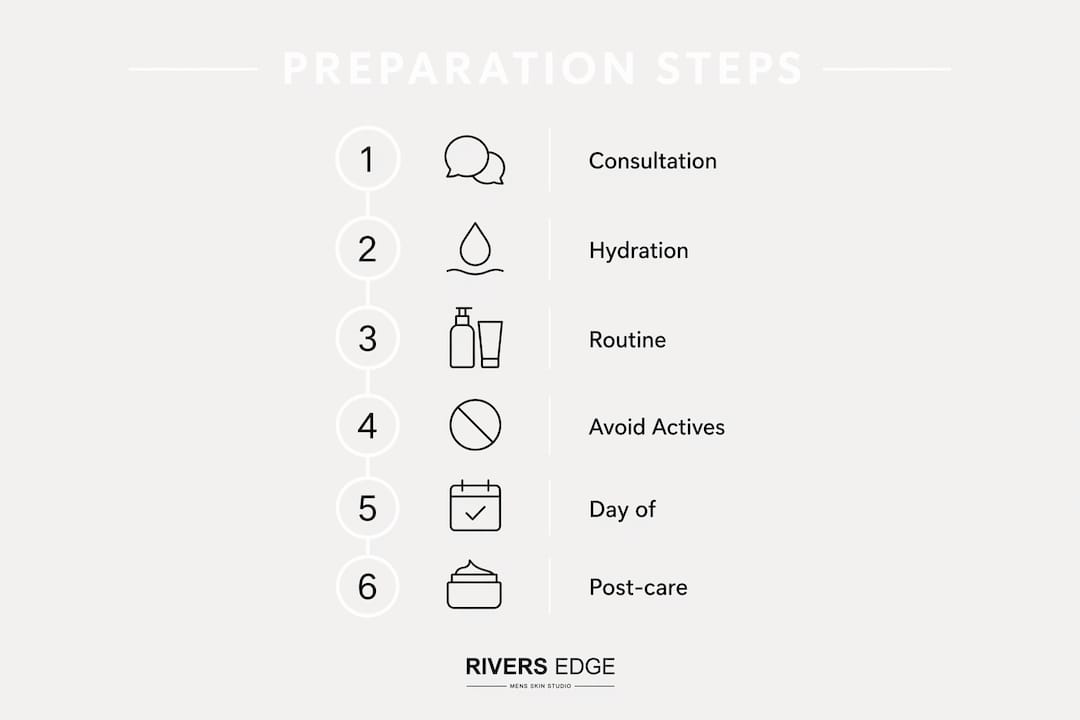
- Start a dedicated pre-treatment skin routine 2–4 weeks before your appointment
- Use a gentle, fragrance-free cleanser morning and evening
- Apply a ceramide or hyaluronic acid moisturiser daily
- Use broad-spectrum SPF 50+ every morning without exception
- Pause high-strength retinoids, AHAs, and BHAs 3–7 days before most procedures; confirm exact timing with your practitioner.
- Avoid alcohol and blood-thinning supplements in the 24–48 hours prior
- Do not shave the treatment area within 24–48 hours of the procedure
- Arrive with clean, product-free skin and a light meal inside you
- Disclose all medications, supplements, and any recent infections at consultation
Pro Tip: Book a pre-treatment consultation at Riversedgeskinstudio before your first appointment. The clinic will assess your skin type, Fitzpatrick phototype, and any medications to give you a personalised prep plan rather than a generic one.
Table of Contents
- Why does preparing your skin improve your results?
- When should you start preparing for your treatment?
- What should your daily skin routine look like before treatment?
- How does preparation differ by procedure type?
- What should you do the day before and the morning of treatment?
- What should you expect straight after treatment?
- What should you ask at consultation, and what are the red flags?
- Which ingredients should you use and which should you avoid?
- How do hydration and nutrition support your skin before treatment?
- Managing your expectations before and after treatment
- Key takeaways
- A clinician's note on preparing male skin
- Riversedgeskinstudio: pre-treatment consultations for men in Liverpool
- Useful sources for further reading
Why does preparing your skin improve your results?
Preparing your skin before an aesthetic procedure is not a formality. It directly reduces your risk of complications, shortens recovery time, and improves how well the treatment works.
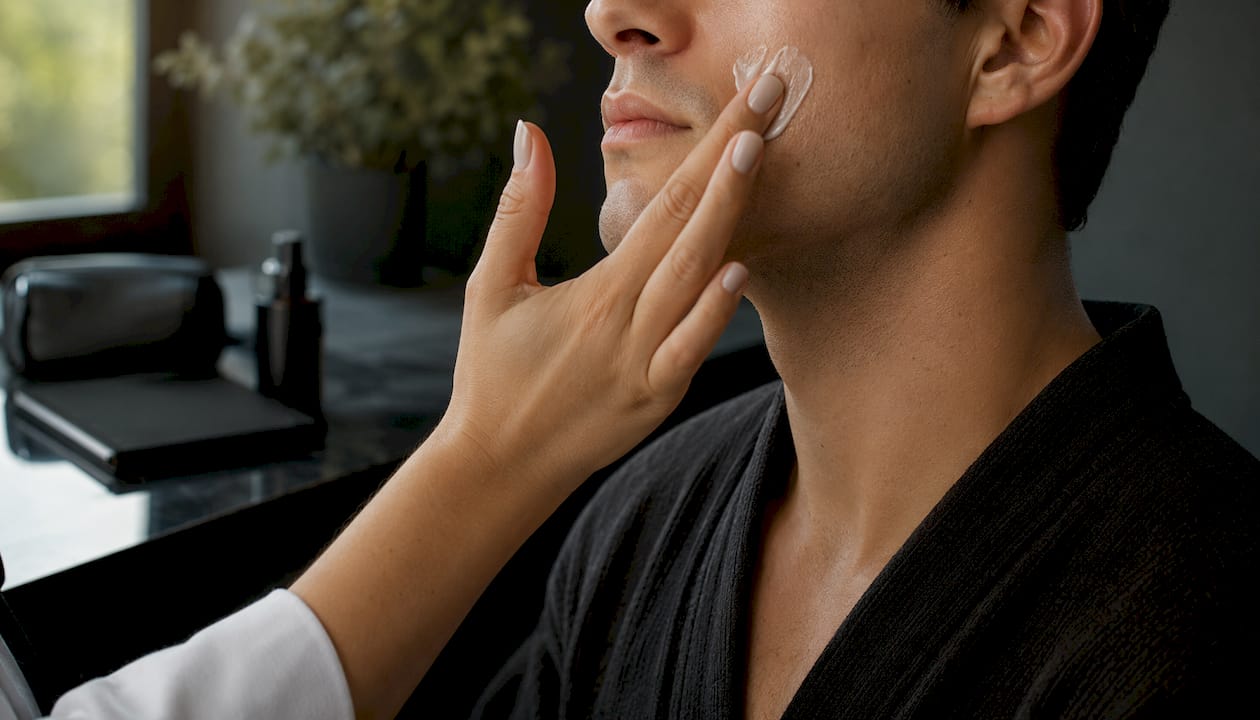
When your skin barrier is intact and well-hydrated going into a procedure, it responds more predictably. Inflammation is lower, healing is faster, and the risk of post-inflammatory hyperpigmentation (PIH) is meaningfully reduced. This matters particularly for men with darker skin tones, where periprocedural skincare must be tailored to Fitzpatrick phototype because the risk of dyschromia is higher.
Supportive skin care before, during, and after procedures reduces inflammation and may speed regeneration. Broad-spectrum, high-factor photoprotection is considered essential across all treatment modalities.
Pro Tip: Two changes alone — consistent daily hydration and SPF 50+ applied every morning — account for a significant share of the improvement most men see in their recovery and visible results. Start there before adding anything else.
When should you start preparing for your treatment?
The answer is straightforward: begin a dedicated pre-procedural regimen two to four weeks before most aesthetic treatments. That window gives your skin time to stabilise hydration, strengthen the moisture barrier, and allows your practitioner to assess your baseline condition accurately.
Week-by-week timeline:
- Weeks 4–2 before: Begin the barrier-supportive routine (gentle cleanser, ceramide moisturiser, SPF 50+ daily). Start avoiding sunbeds and prolonged sun exposure entirely.
- Week 2 before: Introduce antioxidant serums if tolerated. Confirm your consultation appointment and prepare your medication list.
- Days 7–3 before: Pause high-potency retinoids and strong AHAs/BHAs. Your practitioner may advise an earlier stop depending on the procedure.
- Days 2–1 before: Stop alcohol. Do not shave the treatment area. Continue gentle cleansing and moisturising only.
- Morning of treatment: Gentle cleanse, light moisturiser, SPF 50+. No makeup, no heavy lotions, no active serums.
Timing callout: Avoid shaving the treatment area for at least 24–48 hours before a procedure. Microscopic abrasions from shaving raise infection risk and can increase post-procedure irritation significantly.
What should your daily skin routine look like before treatment?
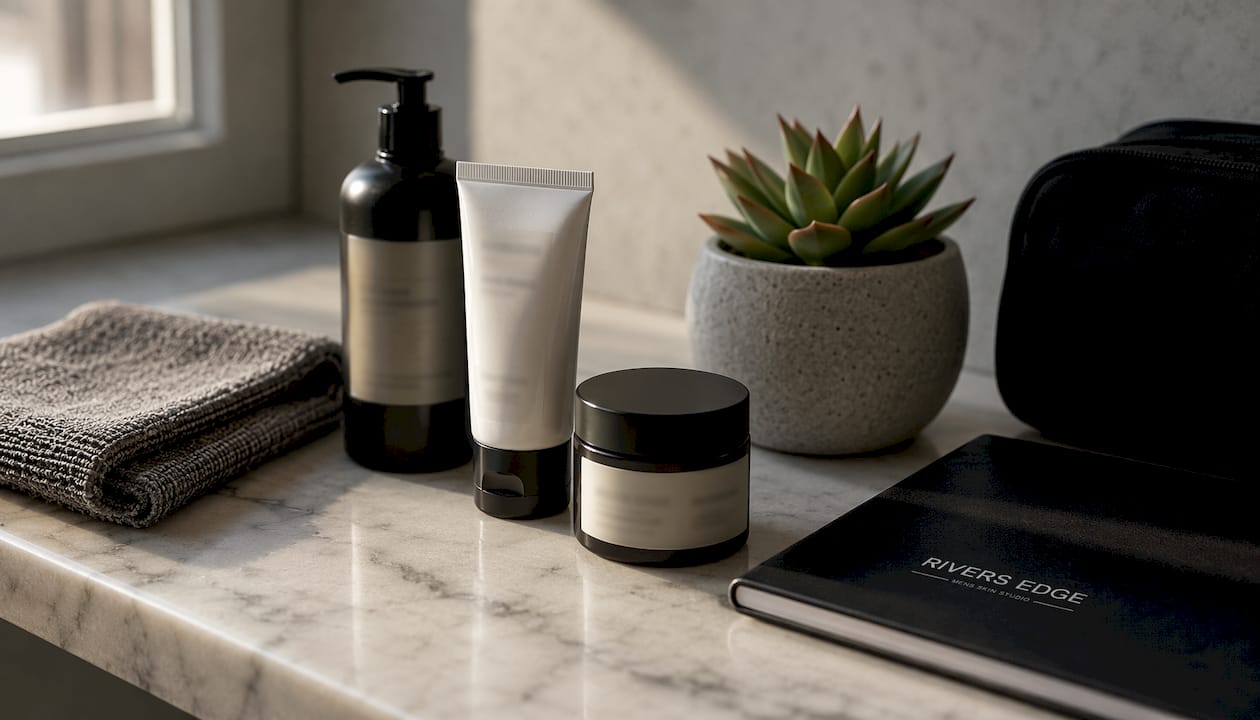
Keep it minimal and barrier-focused. The goal is not to treat or correct your skin in the weeks before a procedure. It is to arrive with a stable, well-hydrated barrier that responds well to treatment.
Morning routine:
- Gentle, non-foaming or syndet cleanser (fragrance-free)
- Humectant serum: hyaluronic acid or niacinamide
- Moisturiser with ceramides, peptides, or both
- Broad-spectrum SPF 50+ (mineral or high-UVA chemical formula)
Evening routine:
- Same gentle cleanser
- Moisturiser with ceramides or hyaluronic acid
- Antioxidant serum (vitamin C or niacinamide) if your skin tolerates it well
A pre-treatment basic routine should include a gentle fragrance-free cleanser, a ceramide or hyaluronic acid moisturiser, and daily broad-spectrum SPF 50+ to reduce the risk of post-procedure hyperpigmentation. That is the clinical consensus, and it is straightforward to follow.
For guidance on layering professional skin treatments safely, including how to sequence topical actives around clinic appointments, the Riversedgeskinstudio blog covers this in detail.
Pro Tip: If you have a beard, your skin underneath is often more reactive and harder to assess. Keep the beard clean, use a gentle beard wash rather than a foaming face wash, and let your practitioner know the beard will be present during treatment so they can plan access and product application accordingly.
How does preparation differ by procedure type?
Preparation is not one-size-fits-all. Non-disruptive procedures such as anti-wrinkle injectables and threads require basic barrier care. Barrier-disruptive procedures, including chemical peels, ablative lasers, and deep microneedling, need stricter priming and more rigorous sun avoidance.
Injectables and fillers:
- Pause blood-thinning supplements (fish oil, high-dose vitamin E, aspirin unless medically prescribed) where safe to do so
- Avoid heavy alcohol consumption 24–48 hours prior to reduce bruising risk
- Report all anticoagulant medications at consultation without exception
Chemical peels and microneedling:
- Cease strong exfoliants and retinoids earlier than for injectables (confirm timing with your practitioner)
- Begin SPF 50+ well in advance, not just the week before
- If the perioral region is being treated and you have a history of herpes simplex, prophylactic antiviral treatment is recommended the day before the procedure
- For microneedling specifically, review common microneedling mistakes to avoid the most frequent pre-treatment errors
Laser treatments:
- No recent tanning or sunbed use for at least 2–4 weeks prior
- Follow skin-phototype-specific advice from your practitioner to reduce dyschromia risk
- Darker skin tones require tailored priming; confirm this at consultation
Pro Tip: If you are treating an area with a beard, avoid clipping or trimming too close in the 24–48 hours before the appointment. Your practitioner needs some hair length to assess the area accurately and plan treatment access.
What should you do the day before and the morning of treatment?
Final preparations are minimal. Clean skin, no alcohol, a light meal, and good hydration. That is genuinely all most men need to focus on.
The evening before:
- Shower with your usual gentle cleanser
- Do not shave the treatment area
- Stop alcohol entirely
- Apply your regular ceramide moisturiser
- Lay out comfortable, loose clothing for the morning
The morning of treatment:
- Cleanse gently with your fragrance-free cleanser
- Apply a light moisturiser only
- Apply SPF 50+ if you will be outdoors before your appointment
- Skip makeup, heavy lotions, and active serums entirely
- Eat a light meal and drink water before you leave
On the morning of treatment, keeping to a minimalist routine allows the practitioner to carry out a clean assessment and apply appropriate aseptic preparation without delays from product removal.
Bring a written list of your current medications and supplements. Note any recent infections, skin reactions, or illnesses in the past two weeks. If sedation is involved, arrange transport home and a responsible adult to stay with you.
What should you expect straight after treatment?
Expect some inflammation, possible bruising, and temporary skin sensitivity. This is normal. Your job in the first 48–72 hours is to support healing, not to treat or correct.
Immediate steps after treatment:
- Apply cool compresses if swelling is present (clean cloth, not ice directly on skin)
- Use a calm, occlusive moisturiser as directed by your practitioner
- Avoid active ingredients (AHAs, BHAs, vitamin A) for at least 48 hours after barrier-disruptive procedures
- Follow the clinic's antisepsis advice if dressings or wound care are involved
- Stay out of direct sunlight and apply SPF 50+ once the skin is ready for it
For a detailed breakdown of post-treatment skincare steps tailored to men, the Riversedgeskinstudio blog covers the staged recovery routine clearly.
When to contact the clinic immediately:
- Fever or spreading redness beyond the treatment area
- Pus or unusual discharge
- Severe or worsening pain after 48 hours
- Unexpected or heavy bleeding
Pro Tip: Shift your mindset after treatment. You are no longer in preparation mode. Occlusion and calming ingredients come first. Reintroduce actives only once the barrier has fully recovered, and always confirm the timeline with your practitioner.
What should you ask at consultation, and what are the red flags?
Ask about practitioner registration and qualifications, the expected recovery timeline, emergency contact protocols, and what the follow-up process looks like. These are not awkward questions. They are standard.
Consultation checklist:
- Are you registered with a relevant UK regulatory body (e.g. the Nursing and Midwifery Council or General Medical Council)?
- What is the realistic recovery timeline for my skin type and this procedure?
- What medications or supplements do I need to disclose or pause?
- Can I see before and after photographs of similar cases?
- Will I receive written aftercare instructions?
- What infection control measures are in place?
- What is the emergency contact process if I have a concern after treatment?
For a full walkthrough of what an aesthetic clinic consultation involves, including what information the clinic gathers and why, the Riversedgeskinstudio blog covers this in detail.
Red flags to watch for:
- Pressure to book immediately without a proper skin assessment
- No medical history review or medication disclosure process
- Absence of a clear informed-consent process
- No pre-treatment photography offered
- Refusal to discuss risks, side effects, or realistic outcomes
If you see any of these, seek a second opinion. Knowing when to seek professional skincare advice is as important as the preparation itself.
Which ingredients should you use and which should you avoid?
Favour barrier-supporting ingredients in the weeks before treatment. Use daily SPF 50+ every morning. Keep the routine simple.
Ingredients to use:
- Hyaluronic acid (humectant, draws moisture into skin)
- Ceramides (barrier repair and maintenance)
- Niacinamide (anti-inflammatory, supports barrier function)
- Gentle antioxidants such as vitamin C if tolerated
- Peptides (barrier support, well-tolerated pre-procedure)
Ingredients to pause before treatment:
- High-strength retinoids: pause 3–7 days before most procedures (earlier for peels and lasers)
- Strong AHAs (glycolic acid, lactic acid at high concentrations): pause 3–7 days before
- BHAs (salicylic acid): pause 3–7 days before
- Physical scrubs and abrasive exfoliants: stop at least one week before
- Alcohol-based toners and harsh astringents: avoid in the weeks leading up to treatment
Product types to look for:
- Non-foaming or syndet cleanser (fragrance-free, pH-balanced)
- Humectant serum (hyaluronic acid, glycerin)
- Occlusive moisturiser (ceramide-rich, fragrance-free)
- Mineral or broad-spectrum chemical sunscreen with strong UVA protection, SPF 50+
Pro Tip: For men with thicker beard skin or an oilier T-zone, apply moisturiser to slightly damp skin to improve absorption. Layer from lightest to heaviest: serum first, then moisturiser, then SPF. This works whether you have a full beard or clean-shaven skin.
For further guidance on natural daily regimens and supplement timing, this resource covers the lifestyle side of skin preparation well.
How do hydration and nutrition support your skin before treatment?
What you eat and drink in the weeks before a procedure has a direct effect on how your skin heals. Hydration is the most straightforward lever. Drink enough water daily so your urine is pale yellow. Dehydrated skin is less resilient, heals more slowly, and shows post-procedure redness for longer.
Nutrition matters too. Prioritise protein (supports collagen synthesis and tissue repair), zinc (wound healing), and vitamins C and E (antioxidant protection). Oily fish, eggs, leafy greens, and nuts cover most of these bases without requiring supplements.
Alcohol is worth cutting back on for at least 48 hours before treatment, and ideally for a week prior. It dehydrates the skin, dilates blood vessels, and increases bruising risk with injectables and fillers. Caffeine in moderate amounts is generally fine, but excessive intake can affect sleep quality, which directly impacts skin repair.
Avoid starting new supplements close to your appointment. Some, including high-dose fish oil, vitamin E, and ginkgo biloba, have blood-thinning properties. Disclose everything you are taking at consultation.
Managing your expectations before and after treatment
Results from aesthetic procedures take time. Most men see the full outcome of microneedling or chemical peels after several weeks, not days. Anti-wrinkle injections typically settle within 10–14 days. Going in with a clear, realistic picture of the timeline prevents disappointment and unnecessary concern.
Talk through expected outcomes at consultation. Ask to see before and after photographs of men with a similar skin type and concern. Understand that some redness, swelling, or flaking in the days after treatment is part of the process, not a sign that something has gone wrong.
Psychological preparation matters too. Some men find the first procedure more confronting than expected, particularly if they are not used to clinical environments. Knowing what the consultation involves, what the treatment feels like, and what recovery looks like removes most of the uncertainty. The Riversedgeskinstudio blog covers what to expect at your first skin clinic visit in straightforward terms.
Set one primary goal for the treatment rather than expecting multiple concerns to resolve simultaneously. That focus makes it easier to assess whether the result has met your expectations and gives your practitioner a clear brief.
Key takeaways
Preparing your skin properly before an aesthetic procedure reduces complications, shortens recovery, and gives the treatment the best possible conditions to work.
| Point | Details |
|---|---|
| Start 2–4 weeks before | Begin a barrier-supportive routine at least two weeks out to stabilise hydration and allow baseline assessment. |
| SPF 50+ every morning | Broad-spectrum SPF 50+ is the single most important daily habit before and after any aesthetic treatment. |
| Pause potent actives | Stop high-strength retinoids, AHAs, and BHAs 3–7 days before most procedures; confirm exact timing with your practitioner. |
| Arrive prepared | Clean skin, no makeup or heavy products, a light meal, and a written medication list ready for the practitioner. |
| Riversedgeskinstudio | Offers pre-treatment consultations to assess skin type, medical history, and create a personalised prep plan for men in Liverpool and Merseyside. |
A clinician's note on preparing male skin
Most of the men who come through the door at Riversedgeskinstudio have never followed a formal skincare routine before booking their first treatment. That is not a problem. What matters is what they do in the two to four weeks before the appointment.
The most common issue we see is men continuing strong actives right up to the day of treatment. A retinoid or high-strength acid used three days before a chemical peel or microneedling session creates a compromised barrier before we have even started. The result is more sensitivity during treatment, longer redness afterwards, and occasionally a need to reschedule. Stopping potent actives early is the single adjustment that makes the biggest practical difference.
For men on testosterone or other hormonal medications, skin behaviour can be less predictable. Oilier skin, faster cell turnover, and variable sensitivity all affect how the skin responds to treatment. We factor this in at consultation, but it is important that clients disclose everything they are taking, including supplements and over-the-counter products.
Bearded clients need a slightly different approach. We ask them not to trim or shave the treatment area in the 48 hours before the appointment, and to arrive with a clean beard. Product build-up in the beard can interfere with treatment access and aseptic preparation. A simple beard wash the night before is all that is needed.
The men who get the best results are not the ones with the most elaborate skincare routines. They are the ones who communicate clearly, follow the pre-treatment guidance, and arrive prepared.
Riversedgeskinstudio: pre-treatment consultations for men in Liverpool
Men who prepare properly for aesthetic treatments get better results. Riversedgeskinstudio makes that preparation straightforward.

At Riversedgeskinstudio, every treatment begins with a thorough pre-treatment consultation. The clinic assesses your skin type, Fitzpatrick phototype, medical history, and current medications to build a step-by-step prep plan specific to you. Whether you are booked in for anti-wrinkle injections, a HydraFacial, microneedling, a chemical peel, or a skin booster treatment, the consultation removes the guesswork and reduces the risk of complications.
The clinic specialises exclusively in men's skin. That means the advice, the products, and the treatment protocols are all calibrated for male skin, including bearded clients and men managing hair loss or wellness alongside their aesthetic treatments.
To book a consultation or find out more about the full range of men's skin treatments available at the studio, visit the services page and book your appointment online.
Useful sources for further reading
Key clinical references:
- A guide to periprocedural skin care regimen (consensus of aesthetic practitioners) — peer-reviewed consensus covering routine, timing, and ingredient guidance across procedure types
- Expert recommendations on supportive skin care for non-surgical and surgical procedures — covers photoprotection, inflammation reduction, and antiviral prophylaxis
- Periprocedural skincare for patients with skin of colour — essential reading for understanding phototype-specific risk and tailored priming
- Concomitant use of dermo-cosmetic skin care in aesthetic procedures — covers post-procedure staging and the repair-first mindset
- Riversedgeskinstudio services and booking — clinic services, pre-treatment consultations, and online booking for men in Liverpool and Merseyside