
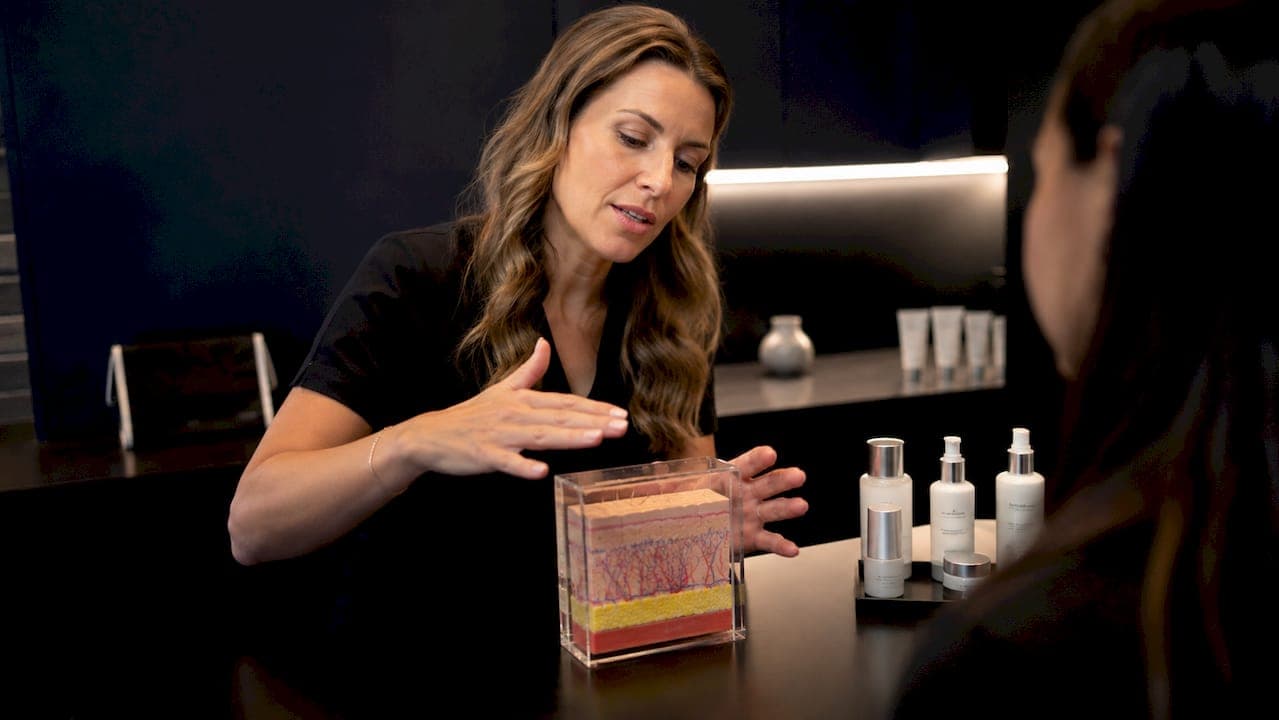
Layering professional skin treatments safely is defined as applying multiple skincare products and clinical procedures in the correct sequence, at the right intervals, to maximise results without compromising your skin barrier. For men, this matters more than most realise. Male skin is on average 25% thicker than female skin, yet it carries a higher risk of post-inflammatory hyperpigmentation when treatments are combined carelessly. Get the order right and you amplify the effect of every product. Get it wrong and you undo the work of even the best procedure. This guide covers the science, the sequences, and the specific mistakes to avoid.
What key principles determine safe layering of skin treatments?
The foundational rule for layering skincare products correctly is to apply from thinnest to thickest viscosity. Thin, water-based products penetrate the skin first. Thick, occlusive creams seal everything in at the end. Reversing this order blocks lighter actives from reaching the dermis where they do their work.
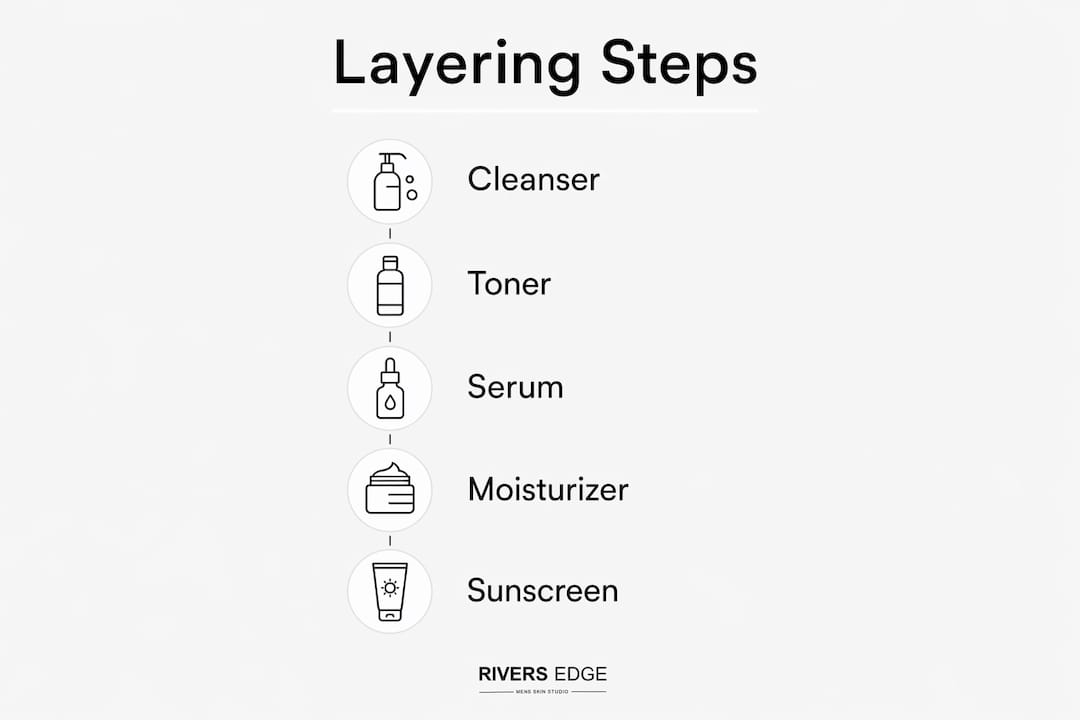
Timing between layers matters just as much as order. Waiting 15 seconds to 2 minutes between each product gives the previous layer time to absorb before the next one lands on top. Skipping this step does not save time. It reduces the efficacy of every product in your routine.
Molecular weight also determines where a product sits in the sequence. Hyaluronic acid, for example, has a large molecular weight in its standard form and sits on the surface to draw moisture in. Retinoids and vitamin C serums are smaller molecules that need direct skin contact to penetrate. Applying heavy occlusives before light actives creates a physical barrier that blocks absorption entirely.
Common layering mistakes to avoid:
- Applying moisturiser before serum, which prevents active ingredients from reaching the skin
- Skipping wait time and immediately stacking products, which dilutes each layer
- Using more than 5–7 product layers in one session, which overwhelms the skin and plateaus efficacy
- Mixing pH-sensitive actives like vitamin C and niacinamide in the wrong order, which reduces potency
- Applying sunscreen anywhere other than last in a morning routine
Pro Tip: Set a 60-second timer on your phone between each product layer. It feels slow at first, but your skin will absorb each product fully and you will see noticeably better results within two weeks.
Which active ingredients need caution when combined?
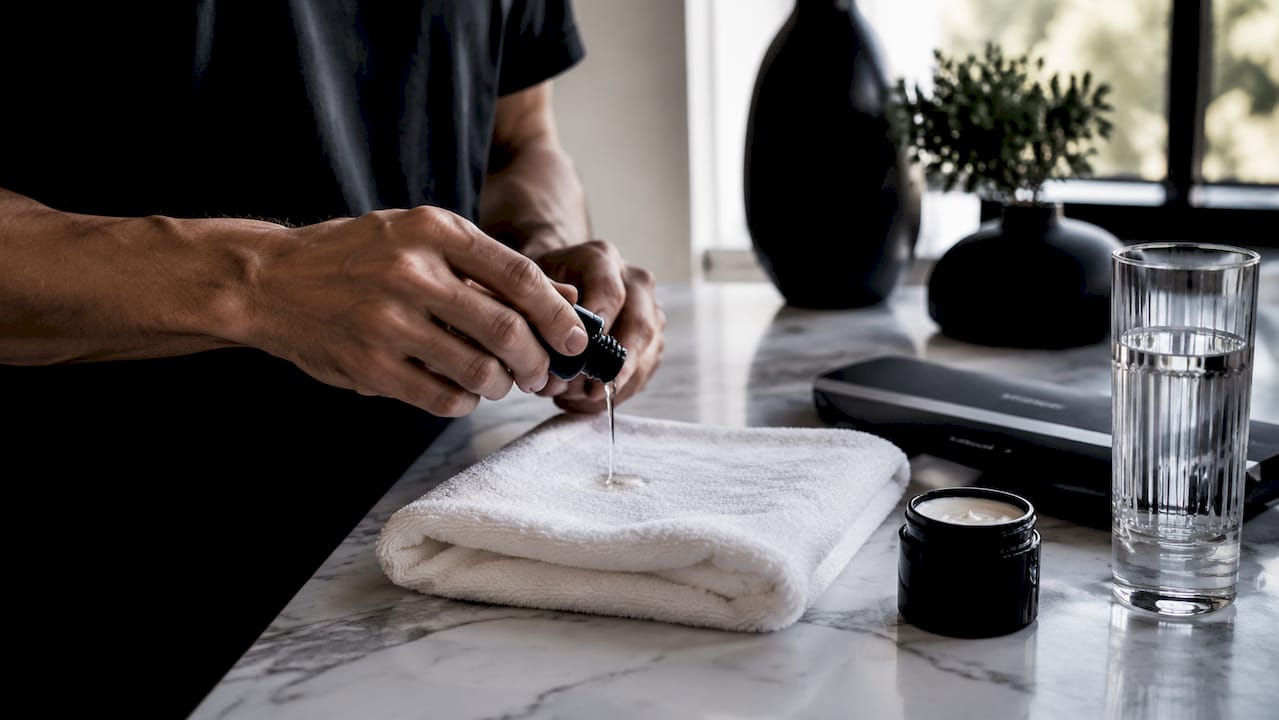
Retinoids and acids are the two ingredient categories that cause the most problems when layered carelessly. Both accelerate cell turnover and lower the skin's pH. Combining them in the same session creates compounded irritation, redness, and barrier damage. The rule is simple: use one or the other on any given night, never both.
Post-procedure, the stakes are higher. Patients must avoid retinoids and acids entirely for 7 days after any clinical procedure to allow proper barrier recovery. This applies after chemical peels, microneedling, and laser or IPL treatments. Your skin is in a vulnerable state during this window. Introducing actives too early extends recovery time and increases the risk of scarring.
Men prone to hyperpigmentation need to be especially careful. Photoprotection and skin priming reduce the risk of post-inflammatory hyperpigmentation, particularly in individuals with higher Fitzpatrick phototypes. Skipping SPF after any procedure is one of the fastest ways to develop uneven pigmentation that takes months to correct.
Specific ingredient cautions by treatment type:
- Chemical peels: Avoid AHAs, BHAs, and retinoids for at least 7 days post-peel. Use ceramides and panthenol only.
- Microneedling: No vitamin C, retinoids, or exfoliating acids for 7 days. Hyaluronic acid serums are safe immediately post-treatment.
- Laser and IPL: Avoid all actives for 7–10 days. Niacinamide can be reintroduced after 5 days if skin shows no inflammation.
- HydraFacial: Gentler than the above. Retinoids can typically resume after 48–72 hours, depending on skin response.
Priming skin before procedural therapies is particularly relevant for men. A consistent pre-treatment routine using niacinamide and SPF for 4–6 weeks before a peel or laser session reduces pigmentation risk and speeds up recovery.
How to build a layered skincare routine for professional treatments
A well-structured routine separates actives by time of day and by treatment phase. The sequence below applies on non-treatment days when your skin barrier is intact.
Morning routine (numbered sequence):
- Gentle, pH-balanced cleanser
- Hydrating toner or essence (water-based, no alcohol)
- Vitamin C serum applied to bare, freshly hydrated skin
- Hyaluronic acid serum if additional hydration is needed
- Lightweight moisturiser
- Broad-spectrum SPF 30 or higher as the final step
Vitamin C requires a pH of 2.5–3.5 to penetrate effectively and must be applied before moisturiser. Sunscreen is always the last product in a daytime routine, with no exceptions.
Evening routine on active ingredient nights:
Use only one active per session. Combining multiple actives disrupts skin pH and the barrier, causing irritation rather than better results. Alternate retinoids on Monday, Wednesday, and Friday. Use a calming serum with niacinamide or panthenol on the other nights.
Post-procedure routine (days 1–7 after any clinical treatment):
| Step | Product type | Purpose |
|---|---|---|
| 1 | Gentle, fragrance-free cleanser | Remove debris without stripping |
| 2 | Hyaluronic acid serum | Restore surface hydration |
| 3 | Niacinamide serum | Calm inflammation, support barrier |
| 4 | Ceramide-rich moisturiser | Seal and repair the skin barrier |
| 5 | SPF 50 (morning only) | Prevent pigmentation and UV damage |
The quality of dermo-cosmetic products used alongside clinical procedures directly influences outcomes. A bland, barrier-focused post-procedure routine is not optional. It is what determines how well your skin heals and how long your results last.
Pro Tip: Keep a separate "post-procedure kit" ready before your appointment. Stock it with a fragrance-free cleanser, a ceramide moisturiser, hyaluronic acid serum, and SPF 50. You will not want to be shopping for products when your skin is recovering.
What are the common challenges when layering professional treatments?
Over-layering is the most frequent mistake men make when they first get serious about skincare. The logic seems sound: more products should mean more results. The reality is that exceeding 5–7 product layers overwhelms the skin and creates a plateau in efficacy. Beyond that threshold, products sit on the surface rather than absorbing.
Symptoms that tell you your routine has gone too far:
- Persistent redness or stinging that does not resolve within 30 minutes of application
- Breakouts in areas where you do not normally get them
- Skin that feels tight or dry despite using moisturiser
- Peeling or flaking outside of a post-peel recovery period
- A greasy, congested feeling that does not clear with cleansing
Identifying incompatible combinations is the next skill to develop. Retinoids and benzoyl peroxide deactivate each other. Vitamin C and niacinamide can be used together, but only when applied in the correct order with adequate wait time. AHAs and physical scrubs used on the same day cause micro-tears in already-sensitised skin.
When your skin reacts badly, the correct response is to strip the routine back to basics. Cleanser, ceramide moisturiser, and SPF only. Hold this for 5–7 days, then reintroduce one product at a time with a 3-day gap between additions. This process identifies the culprit without guesswork. A post-treatment skincare guide for men can help you rebuild your routine methodically after a reaction.
Professional consultation matters here. If your skin is not responding as expected after a clinical procedure, speak to your practitioner before adjusting your routine independently. Changing products without guidance can mask symptoms that need clinical attention.
Chemical peels vs microneedling vs laser: how does layering differ?
Each treatment modality creates a different level of barrier disruption. The layering restrictions that follow each one are not interchangeable.
| Treatment | Active ingredient pause | Key post-procedure ingredients | Typical recovery window |
|---|---|---|---|
| Chemical peel (superficial) | 7 days for retinoids and acids | Ceramides, panthenol, SPF 50 | 5–7 days |
| Chemical peel (medium depth) | 10–14 days for all actives | Ceramides, hyaluronic acid, niacinamide | 10–14 days |
| Microneedling | 7 days for retinoids and vitamin C | Hyaluronic acid, niacinamide, ceramides | 3–5 days |
| Laser or IPL | 7–10 days for all actives | Bland moisturiser, SPF 50 | 7–14 days |
| HydraFacial | 48–72 hours for retinoids | Hyaluronic acid, SPF 30 | 24–48 hours |
The key distinction is barrier disruption depth. A HydraFacial removes surface debris without breaking the skin. Microneedling creates controlled micro-injuries that penetrate deeper. Medium-depth chemical peels and ablative laser treatments remove entire layers of skin. The deeper the disruption, the longer the layering pause and the more conservative the post-procedure routine must be.
Men considering combining skin treatments in the same month should space procedures by at least 4 weeks. Stacking a chemical peel and a microneedling session in the same fortnight is a common mistake that leads to prolonged redness and a higher risk of pigmentation.
Key takeaways
Safely layering professional skin treatments requires correct product sequencing, strict post-procedure ingredient pauses, and limiting actives to one per session to protect the skin barrier.
| Point | Details |
|---|---|
| Apply thin to thick | Always layer from lightest to heaviest consistency to allow full absorption. |
| Pause actives post-procedure | Avoid retinoids and acids for 7 days after any clinical treatment to protect barrier recovery. |
| One active per session | Use only one active ingredient at a time to prevent pH disruption and irritation. |
| Post-procedure kit matters | Ceramides, hyaluronic acid, niacinamide, and SPF 50 are the only products your skin needs after a procedure. |
| Space treatments by 4 weeks | Do not combine clinical procedures within the same fortnight to avoid compounded barrier damage. |
What I have learned from watching men layer treatments wrong
Men tend to approach skincare the same way they approach training: more intensity equals faster results. I have seen it consistently. A client books a chemical peel, then goes home and applies his full active-loaded evening routine the same night because he figures the peel has already done the hard work. Two weeks later he is dealing with hyperpigmentation that takes three months to resolve.
The uncomfortable truth is that restraint produces better results than aggression in skincare. The men who see the most dramatic improvements from treatments like microneedling and HydraFacials at Riversedgeskinstudio are the ones who follow a bland, boring post-procedure routine without deviation. No retinoids. No acids. No "just this once" exceptions.
Male skin also carries a specific pigmentation risk that does not get enough attention. Men with darker skin tones or those who spend significant time outdoors are particularly vulnerable to post-inflammatory hyperpigmentation after procedures. The solution is not to avoid treatments. It is to prime the skin properly beforehand and protect it rigorously afterwards with SPF 50.
The other misconception I encounter regularly is that professional treatments replace a home routine. They do not. The outcomes of clinical procedures are directly tied to the quality of the skincare used alongside them. A great peel followed by a poor aftercare routine produces mediocre results. A great peel followed by a disciplined, well-sequenced routine produces results that last.
Prioritise your skin barrier above everything else. It is the foundation that makes every other treatment work.
— David
Discover expert skin treatment layering at Riversedgeskinstudio
Riversedgeskinstudio specialises in professional skin treatments designed specifically for men, from HydraFacials and chemical peels to microneedling and anti-wrinkle injections. Every treatment plan includes expert guidance on how to layer and sequence your home routine around clinical procedures, so your results last longer and your skin recovers faster.

If you are ready to build a routine that works with your treatments rather than against them, the team at Riversedgeskinstudio will map out a personalised plan from your first appointment. Explore the full range of men's skin treatments and book a consultation to get started.
FAQ
What is the correct order to layer skincare products?
Apply products from thinnest to thickest consistency: cleanser, toner, serum, moisturiser, then SPF last in the morning. Wait 15 seconds to 2 minutes between each layer for full absorption.
How long after a chemical peel can I use retinoids again?
Avoid retinoids and acids for at least 7 days after a superficial chemical peel, and up to 14 days after a medium-depth peel. Use only ceramides, hyaluronic acid, and SPF during recovery.
Can I use vitamin C and niacinamide together?
Yes, but apply vitamin C first on bare skin, wait 1–2 minutes, then apply niacinamide. Vitamin C requires a low pH environment to penetrate, so it must go on before any other serum.
How many skincare products can I layer safely?
Exceeding 5–7 product layers in one session overwhelms the skin and reduces the benefit of each product. Stick to a focused routine with one active ingredient per session.
Why do men face a higher risk of hyperpigmentation after skin treatments?
Men who spend more time outdoors or have higher Fitzpatrick phototypes are more vulnerable to post-inflammatory hyperpigmentation after procedures. Consistent SPF use and pre-treatment skin priming significantly reduce this risk.