
A chemical peel is a controlled acid treatment that removes damaged outer skin layers to stimulate fresh cell renewal, making it one of the most clinically proven methods for improving men's skin texture, reducing acne scars, and addressing early signs of ageing. The industry term is "chemical exfoliation," though "chemical peel" is the standard clinical label used by dermatologists and aesthetic practitioners worldwide. Men's skin presents distinct characteristics: it is roughly 25% thicker than women's skin, produces more sebum, and endures the repeated mechanical trauma of shaving. These factors make chemical peel treatment for men's skin both more demanding and, when done correctly, more rewarding. Peels range from superficial glycolic acid treatments to medium-depth trichloroacetic acid (TCA) options and deep phenol peels, with products like The Perfect Derma Peel and BioRePeel representing popular clinical formulations.
What types of chemical peels work best for men's skin?
Men's skin responds differently to chemical exfoliation than women's skin, primarily because of greater thickness and higher oil production. Choosing the right peel depth is the single most important decision in the treatment process.
Superficial peels: the entry point
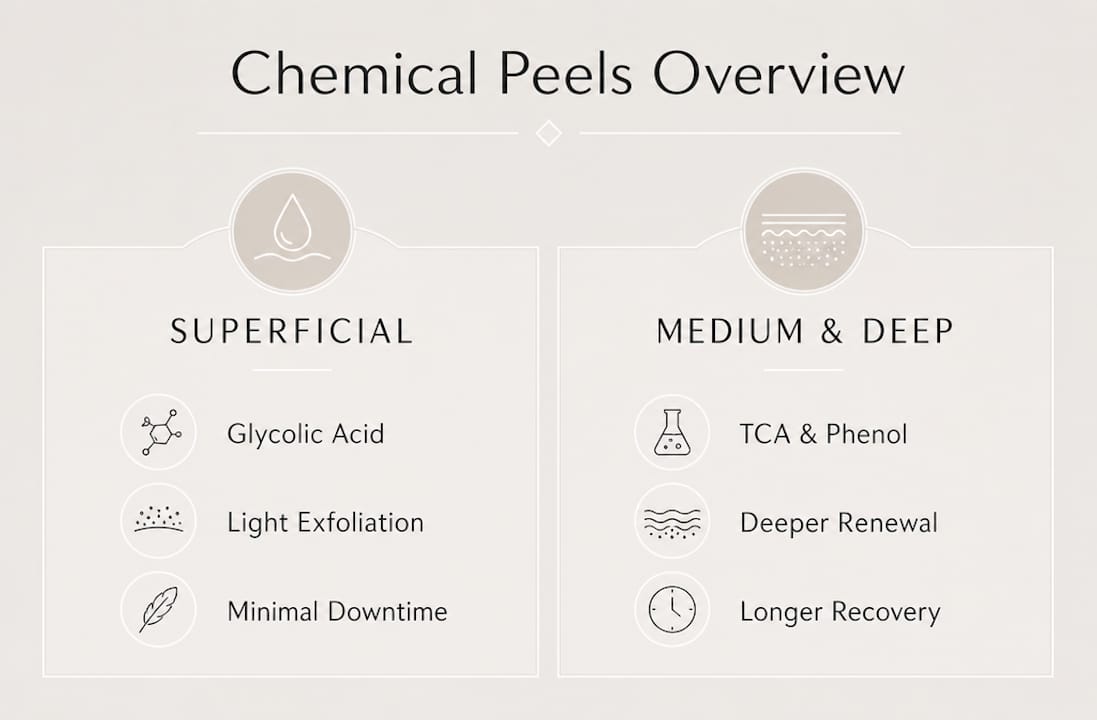
Superficial peels use alpha hydroxy acids (AHAs) such as glycolic acid or beta hydroxy acids (BHAs) such as salicylic acid at low concentrations. Glycolic acid loosens the bonds between dead skin cells, while salicylic acid penetrates oily pores to reduce inflammation and trapped hairs. These are ideal for men new to chemical exfoliation, those with mild texture concerns, or anyone managing persistent blackheads. Downtime is minimal, typically 24 to 48 hours of mild redness, and treatments can be repeated every two to four weeks.
Medium-depth peels: the workhorse for male skin
Medium-depth peels, including TCA at concentrations of 20 to 35% and multimodal yellow peel formulations, reach the papillary dermis. TCA peels at medium depth are highly effective for pigmentation, acne scars, and surface texture, with results lasting one to three years and visible improvement after seven to ten days. The yellow peel, a mixture of TCA, retinoic acid, and other actives, has shown particularly strong results in male skin. A medium-depth yellow peel produces an 85% decrease in inflammatory lesion counts and greater than 20% scar depth reduction in young adults. That figure means most men with moderate acne scarring will see a measurable structural change in their skin after a single course of treatment.
Deep peels: specialist territory
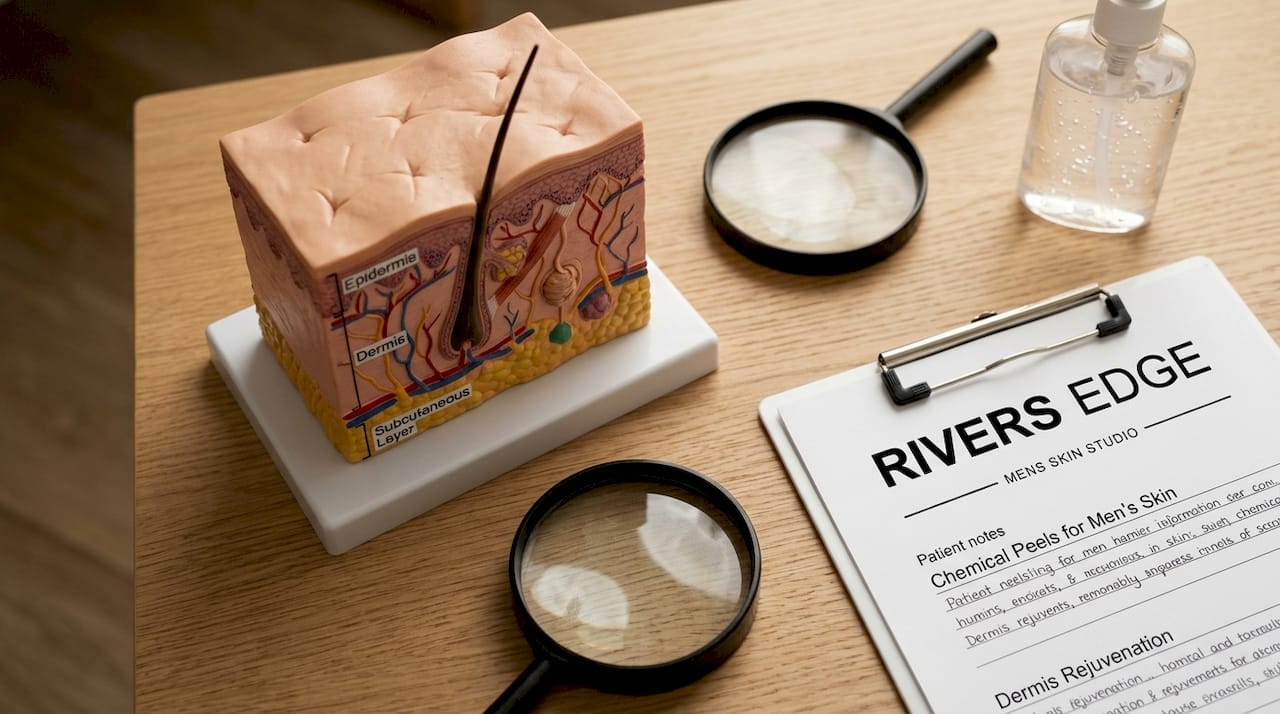
Phenol peels penetrate to the reticular dermis and deliver the most dramatic rejuvenation results. However, phenol peels require hospital settings, anaesthesia, and cardiac monitoring due to systemic toxicity risks, with recovery spanning up to three months. These are not routine aesthetic treatments. They are physician-supervised procedures reserved for severe scarring or deep wrinkles.
| Peel type | Active agent | Depth | Downtime | Best for |
|---|---|---|---|---|
| Superficial | Glycolic acid, salicylic acid | Epidermis | 1–2 days | Texture, oiliness, mild acne |
| Medium | TCA 20–35%, yellow peel | Papillary dermis | 7–10 days | Acne scars, pigmentation, ageing |
| Deep | Phenol | Reticular dermis | Up to 3 months | Severe scarring, deep wrinkles |
Pro Tip: Men with a full beard should discuss peel application boundaries with their practitioner before booking. Peels applied to the beard line require precise demarcation to avoid uneven results at the skin-to-hair transition.
How should men prepare for a chemical peel?
Preparation is where most men make avoidable mistakes. Arriving at a peel appointment without proper skin conditioning or with freshly shaved skin significantly increases the risk of irritation and uneven penetration.
Follow these steps in the days leading up to your treatment:
- Shave at least 24 hours before the appointment. Shaving on the same day as a peel creates micro-abrasions that allow acid to penetrate unevenly and cause unnecessary irritation. A 24-hour gap allows the skin barrier to partially recover.
- Switch to a gentle, non-foaming cleanser for five to seven days prior. Stripping the skin with harsh products before a peel compromises the barrier and increases sensitivity during treatment.
- Disclose all medications at your consultation. Retinoids, isotretinoin, and certain antibiotics affect how the skin responds to acid. Your practitioner needs a full picture before selecting peel strength.
- Avoid other aggressive procedures for at least two weeks beforehand. Microneedling, laser treatments, or waxing in the weeks before a peel can leave the skin in a sensitised state that increases complication risk.
- Stop using active ingredients such as AHAs, BHAs, or vitamin C serums three to five days before treatment. Layering actives on top of a peel is a common cause of over-exfoliation and prolonged redness.
Proper patient screening and conservative technique prevent most chemical peel complications, particularly pigmentary and irritation issues. This is why a thorough consultation with a qualified practitioner is not optional. It is the foundation of a safe outcome.
What should men expect during and after a chemical peel?
The treatment itself is straightforward. Your practitioner cleanses the skin, applies the peel solution using a brush or gauze, and monitors the skin's response over a set contact time, typically two to ten minutes depending on peel strength. You will feel a tingling or mild burning sensation. Medium-depth peels produce a more pronounced sensation and may cause a visible frosting of the skin as the acid reacts with tissue protein.
Post-treatment, the skin follows a predictable healing timeline:
- Days 1 to 2: Redness and tightness, similar to mild sunburn. The skin feels sensitive to touch.
- Days 3 to 5: Peeling begins, often in sheets. Do not pick or pull at loose skin. Doing so risks scarring and hyperpigmentation.
- Days 5 to 7: New skin emerges. It will appear pink and feel smooth. Sun protection is non-negotiable at this stage.
- Days 7 to 10: Full surface healing for medium-depth peels. Deeper structural improvements continue for weeks.
Strict sun protection and gentle cleansing are critical to prevent prolonged redness and hyperpigmentation after a peel. UV exposure on freshly treated skin is the leading cause of post-inflammatory pigmentation, which can take months to resolve. Use SPF 50 daily without exception for at least four weeks after treatment.
Men with facial hair face an additional consideration. Blade shaving must be delayed for five to seven days after a peel, as the skin is significantly more sensitive during healing. Electric shavers may be used cautiously from around days three to four, but only with a light touch and no pressure.
Seek medical advice if you experience intense swelling, blistering beyond mild peeling, signs of infection such as pus or increasing pain, or if redness persists beyond two weeks. These are not normal healing responses.
How do chemical peels treat acne scars, ageing, and ingrown hairs?
Chemical peels address three of the most common male skin concerns through distinct but overlapping mechanisms.
Acne scars and texture. Medium-depth peels stimulate collagen production in the dermis, physically filling atrophic scars from below. The yellow peel improves acne severity, scar depth, skin hydration, and sebum secretion in men, with significant statistical improvements sustained two months after the second treatment. For isolated deep scars, the TCA CROSS technique applies focal high-strength TCA directly to individual scars, stimulating collagen in a targeted column and complementing full-face medium peels for comprehensive scar revision.
Ageing and pigmentation. Repeated medium-depth peels accelerate cell turnover, fade age spots, and reduce fine lines by rebuilding the dermal matrix. TCA peels reaching the papillary dermis provide structural skin improvement with results that last one to three years, making them a cost-effective anti-ageing option compared to monthly superficial treatments.
Ingrown hairs and razor bumps. This is where chemical exfoliation offers a benefit that is genuinely underappreciated by men. Chemical peels prevent ingrown hairs by exfoliating dead skin and reducing clogged follicles and inflammation. Glycolic acid loosens the bonds holding dead cells over follicle openings, while salicylic acid reduces the sebum and inflammation that trap hairs beneath the surface. Men who shave regularly and suffer from persistent pseudofolliculitis barbae (razor bumps) often see significant improvement after a course of superficial to medium peels.
Understanding how skincare shapes men's appearance goes beyond aesthetics. Clearer, smoother skin affects confidence, professional presentation, and long-term skin health. Integrating chemical peels into a broader men's skincare routine, alongside a consistent daily regimen, produces compounding results over time. For men weighing up professional versus home skincare options, clinical peels consistently outperform at-home acid products in both depth of penetration and safety monitoring.
Pro Tip: If you are managing both acne scarring and active breakouts, ask your practitioner about a salicylic acid superficial peel first. Treating active inflammation before targeting scars produces better long-term outcomes than jumping straight to a medium-depth peel.
Key takeaways
Chemical peels are the most clinically supported form of chemical exfoliation for men's skin concerns, with medium-depth TCA and yellow peel formulations offering the strongest evidence for acne scar reduction, texture improvement, and lasting skin rejuvenation.
| Point | Details |
|---|---|
| Peel depth determines outcome | Superficial peels suit mild concerns; medium-depth TCA and yellow peels address scars and ageing most effectively. |
| Shaving timing is critical | Shave at least 24 hours before treatment and delay blade shaving five to seven days after. |
| Aftercare prevents complications | SPF 50 daily and gentle cleansing for four weeks post-peel are non-negotiable to avoid hyperpigmentation. |
| Medium peels show strong clinical results | An 85% reduction in inflammatory lesions and over 20% scar depth improvement are documented with yellow peel in men. |
| Phenol peels require medical supervision | Deep peels carry systemic toxicity risks and demand hospital settings, cardiac monitoring, and months of recovery. |
What I have learned from watching men's skin respond to peels
David's perspective
Most men who come in for their first peel expect something dramatic and immediate. What I have observed over years of working with male clients is that the real transformation happens in the weeks after the visible peeling stops. The skin continues remodelling long after the surface looks healed, and men who commit to the aftercare protocol consistently see better results than those who rush back to their normal routine.
The misconception I encounter most often is that thicker male skin means a stronger peel is always better. That is not accurate. Thicker skin can tolerate more, but it also responds more slowly. Starting at a medium depth and building from there, rather than going straight to the most aggressive option, produces more predictable and safer outcomes. I have seen men push for the deepest available peel on their first visit and end up with prolonged redness that set back their confidence rather than improving it.
The other thing worth saying plainly: shaving after a peel is where men most commonly undo good work. The temptation to get back to a normal grooming routine is understandable, but dragging a blade across skin that is still in the healing phase causes micro-trauma that can lead to scarring. Following the post-treatment skincare steps your practitioner sets out is not optional guidance. It is the difference between a good result and a great one.
— David
Professional chemical peel treatments at Riversedgeskinstudio

Riversedgeskinstudio specialises exclusively in men's aesthetic and skin treatments, which means every chemical peel protocol is designed around male skin physiology, shaving habits, and realistic recovery timelines. The clinic offers superficial, medium-depth, and combination peel options, each selected through a thorough one-to-one consultation with an experienced practitioner. There is no one-size-fits-all approach here. Treatment plans are built around your specific concerns, whether that is acne scarring, uneven texture, razor bumps, or early signs of ageing. Explore the full range of men's skin treatments and book a consultation to find out which peel is right for your skin.
FAQ
How often should men get a chemical peel?
Superficial peels can be repeated every two to four weeks, while medium-depth TCA peels are typically spaced six to twelve weeks apart to allow full skin recovery and collagen remodelling between sessions.
Are chemical peels safe for men with darker skin tones?
Medium and deep peels carry a higher risk of post-inflammatory hyperpigmentation in darker skin tones. Superficial salicylic acid peels are generally safer, and a thorough consultation with an experienced practitioner is required before any peel on Fitzpatrick skin types IV to VI.
Can men get a chemical peel if they have a beard?
Yes, but the peel is applied to exposed skin areas only. Practitioners demarcate the beard line carefully, and men should shave at least 24 hours before treatment to avoid micro-abrasions at the application site.
How long do chemical peel results last for men?
Superficial peel results last two to four weeks. Medium-depth TCA peel results, including improvements to scarring and pigmentation, last one to three years with proper sun protection and aftercare.
What is the difference between a chemical peel and microneedling for men?
Chemical peels resurface the skin through controlled acid exfoliation, targeting texture, pigmentation, and superficial scars. Microneedling stimulates collagen through physical micro-injury and is better suited to deeper atrophic scars. Many practitioners combine both treatments for common skin issues in men to achieve more complete results.