
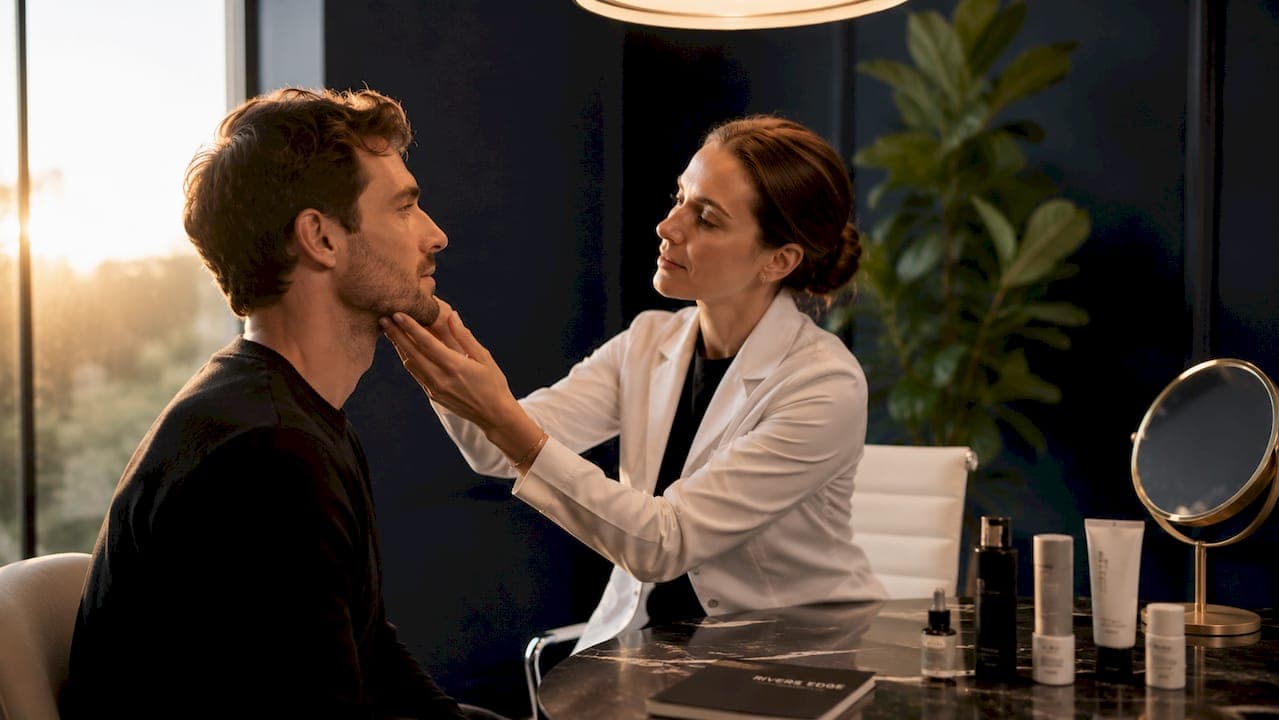
A local skincare consultation for men is a professional skin evaluation designed to address specific concerns including anti-ageing, excessive sweating, and general skin health. Most men have no idea what one actually involves, which is exactly why so many skip it. This local skincare consultation men guide covers everything: how to prepare, what happens during the appointment, how to pick a provider you can trust, and what to do once you leave. Riversedgeskinstudio specialises in this kind of results-driven, men-focused care, and the process is far more straightforward than most men expect.
What does a local skincare consultation for men involve?
A men's skin consultation is a structured clinical assessment of your skin, not a sales appointment. A qualified practitioner examines your skin type, identifies active concerns, and builds a treatment plan around your goals. The whole appointment typically lasts around 60 minutes with no downtime, so you can return to work or daily life immediately afterwards. That single fact removes the most common excuse men give for not going.
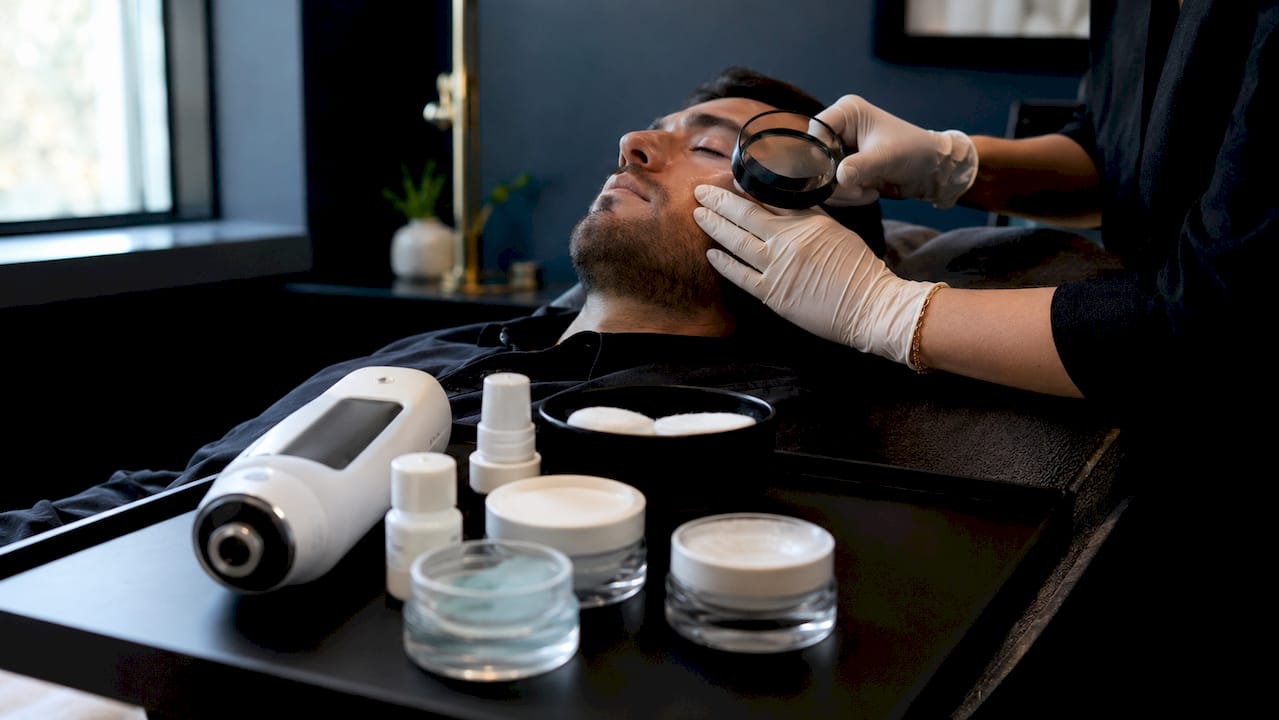
The consultation covers three core areas: your skin history, a visual assessment using professional tools, and a discussion of treatment options. Practitioners ask about your daily routine, diet, stress levels, and any medications that affect the skin. They look for signs of sun damage, congestion, fine lines, redness, and uneven texture. By the end, you have a clear picture of where your skin stands and what it needs.
Experts recommend seeking professional advice for persistent acne, chronic conditions, or visible signs of ageing such as fine lines. Annual or quarterly assessments are advised for ongoing skin health monitoring. That frequency matters because skin changes with age, season, and lifestyle, and a single consultation rarely tells the full story.
How to prepare for your men's skincare consultation
Preparation makes the difference between a vague appointment and a genuinely useful one. Arrive with clean skin and no moisturiser, SPF, or product residue. Practitioners need to see your skin in its natural state to assess texture, pore size, oiliness, and sensitivity accurately.
Bring the following to your appointment:
- A written list of every skincare product you currently use, including exact brand and product names
- Notes on how long you have had each skin concern and what makes it better or worse
- A list of any medications, supplements, or health conditions relevant to your skin
- Photos of your skin taken over the past few months if you have them
Bringing a detailed product list helps clinicians evaluate irritation potential and ingredient interactions. Generic descriptions like "a moisturiser from the chemist" are far less useful than the actual product name. Practitioners can then identify whether your current routine is contributing to your concerns or working against them.
Pro Tip: Avoid using any new products in the two weeks before your consultation. New products can cause temporary reactions that mask your baseline skin condition and confuse the assessment.
The most common mistake men make is downplaying habits they think sound bad. Smoking, alcohol intake, poor sleep, and high stress all affect the skin directly. Your practitioner is not there to judge you. They need accurate information to give you accurate advice.
What happens step by step during the consultation?
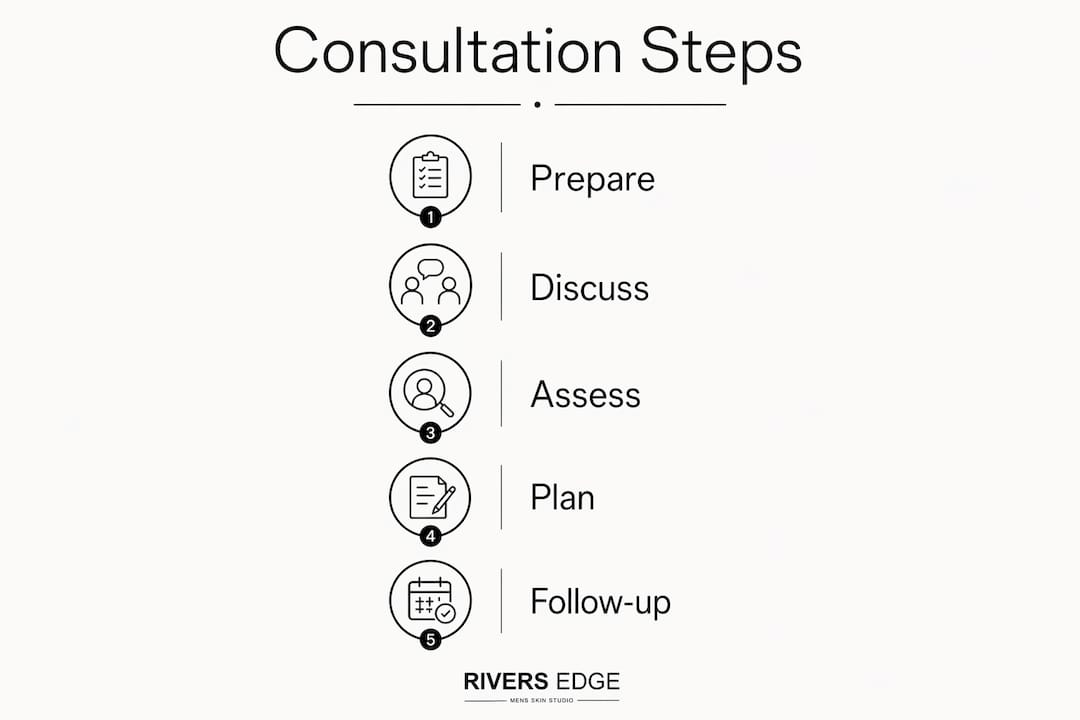
Knowing what to expect removes the awkwardness that stops many men from booking. The process follows a clear sequence.
- Skin history discussion. The practitioner asks about your concerns, how long you have had them, and what you have tried. This takes around 10–15 minutes and sets the direction for everything that follows.
- Visual skin assessment. Using professional tools and lighting, the practitioner examines your skin closely. They look at pore size, pigmentation, texture, and signs of sun damage that are not always visible to the naked eye.
- Goal setting. You discuss your priorities. Anti-ageing, acne control, excessive sweating, and general skin health each require different approaches. The practitioner aligns the plan with what matters most to you.
- Treatment planning. The practitioner outlines options from basic to advanced, explains the reasoning behind each, and gives realistic timelines for results. Professional extractions and treatments like HydraFacials or chemical peels may be available on the same day if appropriate.
- Aftercare and follow-up scheduling. You leave with a written plan, product recommendations, and a follow-up date.
Pro Tip: Write down your top three skin concerns before the appointment and rank them by priority. Practitioners work more efficiently when you can tell them clearly what bothers you most.
The consultation itself is a dialogue, not a lecture. A good practitioner asks as many questions as they answer. If you feel like you are being talked at rather than listened to, that is a signal worth noting.
How do you choose a trustworthy skincare provider for men?
The provider you choose shapes every result you get. A genuinely qualified practitioner does not push treatments before completing a full skin exam. They explain their clinical reasoning in plain language and offer options at different price points.
Look for these signs when evaluating a provider:
- They conduct a thorough baseline skin exam before recommending anything
- They document your skin history and refer back to it at follow-up appointments
- They offer tiered treatment plans from cost-effective to premium, with clear explanations of the difference
- They admit honestly when a treatment is not suited to your skin type
- They have verifiable qualifications and positive, specific reviews from male clients
"A quality consultation is a collaborative conversation where providers explain clearly the rationale behind recommendations and honestly admit when treatments don't suit the client's skin. Transparency and explanation are the clearest indicators of genuine practitioner expertise."
Avoid any provider who presents a treatment plan before examining your skin. Avoid anyone who cannot explain why they are recommending a specific treatment. The signs of a good provider include clear communication, honest limitations, and a willingness to start conservatively and build from there.
Local clinics built for men tend to offer more personalised care than large chain providers. They have fewer clients per practitioner, which means more time spent understanding your specific skin rather than applying a generic protocol.
What should you do after your consultation?
The consultation is the starting point, not the finish line. What you do in the weeks and months after determines how much progress you actually make.
Key steps to take after your appointment:
- Follow the written aftercare plan your practitioner provides, including any new product introductions
- Apply a broad-spectrum SPF 30+ sunscreen every morning, regardless of weather or skin tone. Sun protection is the single most effective preventive measure for skin ageing and maintaining any treatment results
- Book your follow-up assessment before you leave the clinic. Annual or quarterly check-ins are the standard for ongoing skin health
- Track your skin with photos taken every three months under consistent lighting conditions
Photo documentation every three months is recommended by practitioners because progress in skin health is gradual. Without photos, men often underestimate how much their skin has improved. Consistent conditions, same lighting, same distance, same time of day, make comparisons meaningful.
Contact your provider between appointments if you notice unexpected reactions, new concerns, or changes that worry you. A good clinic welcomes that communication. It is part of building a long-term relationship with your skin health rather than treating each visit as a standalone event.
Pro Tip: Set a monthly phone reminder to check your skin against your last photo. Small changes are easy to miss week to week but become clear over a 90-day comparison.
Understanding how to identify your skin concerns before and between appointments makes every follow-up more productive. You arrive with specific observations rather than vague feelings that something has changed.
Key takeaways
A professional skincare consultation for men is the most direct route to addressing specific skin concerns, because it replaces guesswork with clinical assessment and a personalised plan.
| Point | Details |
|---|---|
| Prepare thoroughly | Bring a full product list with exact names and written notes on your skin history. |
| Arrive with clean skin | Remove all products before your appointment so the practitioner sees your baseline. |
| Choose a transparent provider | Select a clinician who explains their reasoning and offers tiered treatment options. |
| Protect skin after treatment | Apply SPF 30+ daily to preserve results and prevent further ageing. |
| Track progress with photos | Take consistent photos every three months to measure real change over time. |
Why men should stop putting off their first consultation
I have spoken with a lot of men who delayed their first skin consultation for years, sometimes decades. The reason is almost never cost or time. It is the belief that skincare is complicated, or that walking into a clinic means committing to something expensive and ongoing. Neither is true.
What I have observed consistently is that men who attend one well-run consultation leave with a clearer understanding of their skin than they have had at any point in their lives. Not because the practitioner said something revolutionary, but because no one had ever actually looked at their skin properly and explained what they saw. That clarity alone changes behaviour. Men start using SPF. They stop using products that were actively irritating their skin. They book the follow-up.
The stigma around men seeking skincare advice is fading, but it has not gone entirely. Some men still feel they need a specific "reason" to book, as if persistent redness or visible ageing is not reason enough. The truth is that professional skin analysis is preventive care, not vanity. The men who benefit most are not those with the worst skin. They are the ones who show up before the problems become harder to address.
The best local skincare advice for men is simple: book the appointment, be honest with your practitioner, and follow the plan. Everything else follows from that.
— David
Men's skincare consultations at Riversedgeskinstudio
Riversedgeskinstudio is a specialist men's skin clinic offering consultations and treatments designed specifically for male skin. Services include anti-wrinkle injections, HydraFacials, chemical peels, microneedling, and scalp treatments, all delivered in a clinical environment built around men's comfort and results.
Every consultation at Riversedgeskinstudio begins with a thorough skin assessment and ends with a written plan tailored to your goals, whether that is addressing early signs of ageing, managing oiliness, or improving overall skin clarity. There is no pressure and no generic protocol. View the full range of men's skin treatments and book your consultation directly online.
FAQ
How long does a men's skincare consultation take?
A professional men's skincare consultation typically lasts around 60 minutes with no downtime, so you can return to normal activities immediately afterwards.
What should I bring to my first skin consultation?
Bring a written list of your current skincare products with exact names, notes on your skin concerns and their history, and details of any relevant medications or health conditions.
How often should men have a professional skin assessment?
Annual or quarterly assessments are recommended for ongoing skin health monitoring, with more frequent visits if you are undergoing active treatment.
How do I know if a skincare provider is trustworthy?
A trustworthy provider explains their clinical reasoning clearly, conducts a full skin exam before recommending treatments, and offers options at different price points without pressure.
Is daily sunscreen really necessary after a consultation?
Daily application of a broad-spectrum SPF 30+ sunscreen is recommended by dermatological standards for all skin tones and types, as it is the most effective way to prevent ageing and protect treatment results.