
Microneedling is defined as a collagen induction therapy that uses fine needles to create controlled micro-injuries in the skin, triggering the body's natural repair response. The most common microneedling mistakes to avoid are skipping sterilisation, using needles that are too deep, over-treating the skin, neglecting the 72-hour aftercare window, and applying the wrong products post-treatment. Each of these errors carries real consequences, from infection and scarring to chronic inflammation that actively reverses your results. Getting this right matters whether you are considering a professional clinic like Riversedgeskinstudio or exploring at-home options.
1. Common microneedling mistakes to avoid: skipping sterilisation
Failing to sterilise your microneedling device is the single most dangerous error you can make. Unsterilised or reused needles introduce bacteria directly into open micro-channels in the skin, raising the risk of infection, cystic breakouts, and permanent scarring. Clinical specialists confirm that the quality of the hygiene environment and tool sterilisation is non-negotiable for safe treatment.
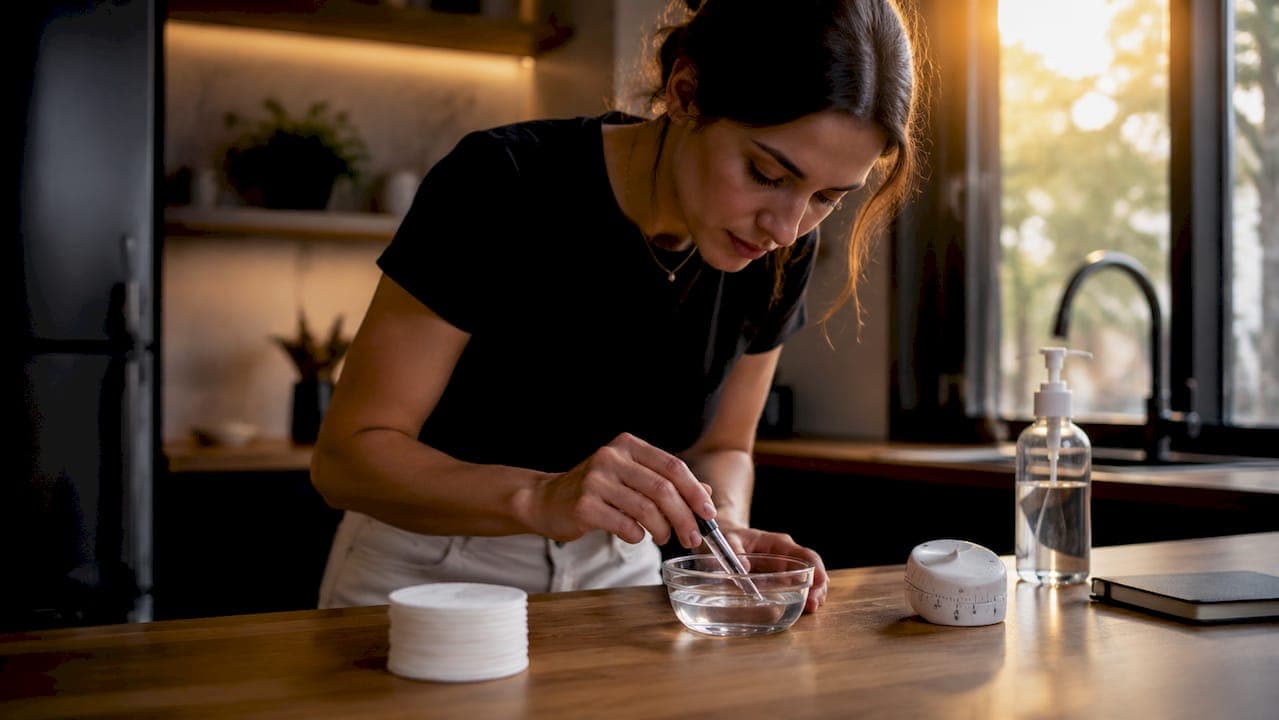
The correct protocol is to soak your device in 70% isopropyl alcohol for a minimum of 10 minutes before every session. Anything less than 10 minutes does not guarantee full pathogen elimination. Never share a microneedling device with another person. Sharing devices creates a direct route for bloodborne pathogens and cross-contamination.
Key sterilisation rules to follow:
- Soak the device in 70% isopropyl alcohol for at least 10 minutes before and after each session.
- Replace needle cartridges after every single use. Never reuse a cartridge.
- Never share your device or cartridges with anyone else.
- Store cleaned devices in a sealed, dust-free container.
Pro Tip: Set a timer when soaking your device. Ten minutes feels longer than you think, and cutting it short defeats the purpose entirely.
2. Using the wrong needle depth at home
Needle depth is where at-home microneedling most frequently goes wrong. Needles longer than 0.5 mm must only be used by licensed professionals in a clinical setting. Deeper needles penetrate into the dermis, where they risk nerve damage, infection, and track-mark scarring that is difficult to reverse.
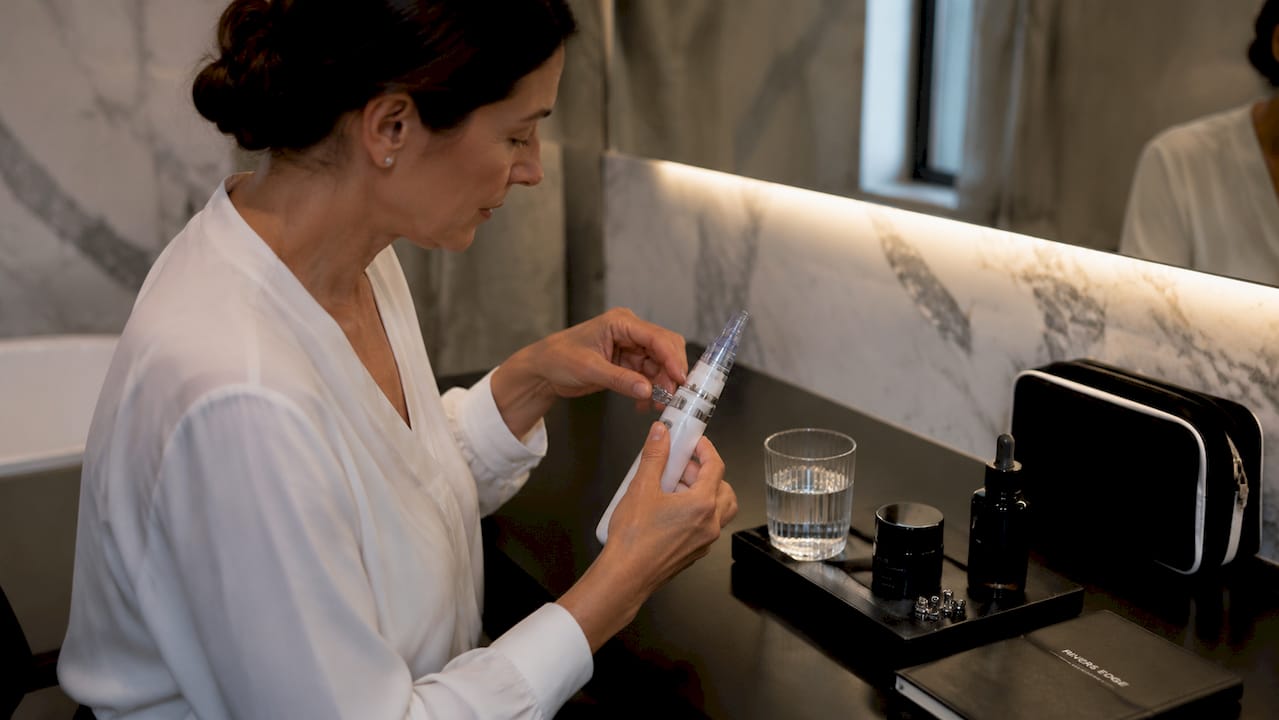
Counterfeit and low-quality devices sold online often have inconsistent needle lengths or inaccurate depth markings. Dull or excessively deep needles tear rather than puncture the skin, creating inflammation and textural damage instead of collagen stimulation. Buying a cheap device to save money is one of the most frequent microneedling pitfalls.
| Needle depth | Recommended use | Risk level |
|---|---|---|
| 0.25 mm | At-home surface texture and product absorption | Low |
| 0.5 mm | At-home maximum; fine lines and mild scarring | Moderate |
| 1.0 mm | Professional clinic only; moderate scarring | High without supervision |
| 1.5 mm+ | Professional clinic only; deep scarring and resurfacing | Very high without supervision |
Pro Tip: If you are buying an at-home device, check that the maximum depth setting does not exceed 0.5 mm. If the listing does not specify, do not buy it.
3. Over-treating and ignoring session frequency
Microneedling too often does not accelerate results. Over-treating interrupts the wound healing cascade, triggering chronic inflammation instead of the collagen production you are aiming for. Skin that never fully recovers between sessions becomes sensitised, reactive, and prone to prolonged redness.
Beginners should space sessions 2–3 weeks apart. Deeper treatments, such as those targeting acne scarring or significant skin laxity, require 4–8 weeks of recovery before the next session. These windows exist because collagen remodelling is a slow biological process that cannot be rushed.
Signs you are over-treating your skin:
- Redness that persists for more than 72 hours after a session.
- Increased skin sensitivity or a burning sensation between treatments.
- New breakouts or pustules appearing after each session.
- Skin texture worsening rather than improving over time.
Pro Tip: Keep a simple photo log after each session. Comparing images at the two-week mark tells you far more than how your skin feels on the day.
4. Microneedling aftercare mistakes during the 72-hour window
The 72 hours immediately after microneedling are the most critical period for your results. Neglecting this aftercare window strongly increases inflammation and disrupts skin barrier repair, raising trans-epidermal water loss (TEWL) and undoing the treatment's benefits. Many people undermine their results by reaching for their usual skincare routine far too soon.
Social media is full of misleading advice about post-treatment care. Washing your face with a harsh cleanser within hours of treatment, or applying a full skincare routine the same evening, are both common microneedling errors that cause real damage. The micro-channels created by needling remain open and highly permeable for several hours, making the skin far more vulnerable than usual.
Aftercare do's and don'ts for the first 72 hours:
Do:
- Rinse with cool, clean water only for the first 12 hours.
- Apply a fragrance-free, hydrating serum such as hyaluronic acid.
- Use a broad-spectrum SPF 30 or higher every morning.
- Keep your hands away from your face.
Don't:
- Apply retinol, vitamin C, AHAs, or BHAs for at least 24–72 hours post-treatment.
- Use any product containing fragrance, alcohol, or essential oils.
- Expose treated skin to direct sunlight without protection.
- Exercise heavily or use a sauna within 24 hours of treatment.
For a detailed breakdown of post-treatment skincare steps, Riversedgeskinstudio publishes specific guidance for men navigating recovery.
5. Applying the wrong products after treatment
Post-microneedling skin is not just sensitive. It is structurally open. Increased permeability means that ingredients penetrate far deeper than they would on untreated skin, and the wrong ones cause disproportionate irritation or toxicity at the cellular level. Applying retinol, vitamin C, AHAs, or BHAs immediately after treatment causes increased irritation and inflammation that sets back your recovery.
The safest approach is a strict minimalist routine for the first 3–5 days. Limiting your routine to one gentle cleanser, one hydrating serum, and SPF reduces irritation and supports the natural healing cascade. Hyaluronic acid and barrier repair creams are the two ingredients that actively aid healing post-treatment.
Ingredients to avoid immediately after microneedling:
- Retinol and retinoids: Increase cell turnover at a time when skin needs to repair, not renew.
- High-concentration vitamin C: Acidic formulations irritate compromised skin.
- AHAs and BHAs (glycolic, salicylic acid): Exfoliating acids disrupt barrier recovery.
- Fragrance and essential oils: Common irritants that penetrate deeper than usual post-treatment.
- Alcohol-based toners: Strip the moisture barrier the skin is actively trying to rebuild.
Reintroduce active ingredients gradually, starting with the mildest formulations after the five-day mark, and only once redness has fully resolved.
6. Choosing a low-cost provider without checking their standards
Price-shopping for microneedling is one of the most overlooked frequent microneedling pitfalls. Low-price providers often skip sterilisation steps or use under-trained staff, directly increasing the risk of infection and poor outcomes. A discounted session is not a saving if it results in scarring or a skin infection that requires medical treatment.
The questions worth asking any provider before booking are straightforward. Do they use single-use needle cartridges? Are their practitioners trained in microneedling specifically? Do they conduct a skin assessment before treatment? A clinic that cannot answer these questions clearly is not worth the risk. Riversedgeskinstudio's approach to men's skin clinic best practices sets out what a properly run treatment environment looks like.
7. Treating active skin conditions or contraindicated skin
Microneedling on skin that is not ready for treatment is a mistake that causes more harm than any technique error. Active acne, open wounds, eczema flares, rosacea, and cold sores are all contraindications. Needling over active acne spreads bacteria across the face and worsens breakouts significantly.
Men with thicker, oilier skin often assume they are more resilient to treatment. Skin type does not override contraindications. A proper pre-treatment consultation identifies these conditions and prevents unnecessary damage. Understanding what microneedling treatment involves before you book is the first step in avoiding this category of error entirely.
Key takeaways
Avoiding the most common microneedling errors requires correct sterilisation, appropriate needle depth, disciplined session spacing, and a strict minimalist aftercare routine for the first 72 hours.
| Point | Details |
|---|---|
| Sterilise every time | Soak devices in 70% isopropyl alcohol for at least 10 minutes before every session. |
| Respect needle depth limits | Home use must not exceed 0.5 mm; deeper needles require a licensed professional. |
| Space sessions correctly | Beginners need 2–3 weeks between sessions; deep treatments need 4–8 weeks. |
| Protect the 72-hour window | Avoid actives, fragrance, and harsh cleansers for at least 72 hours post-treatment. |
| Choose providers carefully | Low-cost clinics often compromise on sterilisation and staff training. |
What I have learned from watching men get microneedling wrong
The pattern I see most often is not recklessness. It is impatience. Men book a session, see some initial redness resolve, and immediately reach for their strongest retinol or vitamin C serum because they want to accelerate results. That single decision wipes out most of the benefit from the treatment they just paid for.
The second pattern is false economy. A client will spend a significant amount on a quality device but then buy the cheapest needle cartridges available online, often from unverified sellers. Needle quality and sterility are not areas where saving a few pounds makes sense. The skin does not distinguish between a budget mistake and an expensive one when it becomes infected.
What actually works is boring by comparison. Clean tools, correct depth, adequate recovery time, and a stripped-back product routine. The men who follow that protocol consistently are the ones who come back showing real, lasting improvement. The ones who improvise are the ones who come back with problems to fix.
The lure of DIY microneedling is understandable. Professional sessions cost more. But the gap between a well-executed professional treatment and a poorly executed home session is not just about results. It is about risk. If you are going to do this at home, treat it with the same seriousness a clinician would. If you are not prepared to do that, book a professional instead.
— David
Professional microneedling for men at Riversedgeskinstudio
Riversedgeskinstudio specialises in microneedling treatments designed specifically for men's skin, using single-use needle cartridges, clinical-grade sterilisation protocols, and practitioner-led skin assessments before every session.

Every treatment at Riversedgeskinstudio begins with a consultation to rule out contraindications and set a realistic treatment plan. The clinic's approach removes the guesswork around needle depth, session frequency, and aftercare, replacing it with a structured protocol that protects your skin and your results. Browse the full range of men's skin treatments and book a consultation to get started with confidence.
FAQ
How often should I get microneedling?
Beginners should allow 2–3 weeks between sessions. Deeper treatments targeting scarring or significant skin laxity require 4–8 weeks of recovery before the next session.
Can I use retinol after microneedling?
Avoid retinol for at least 24–72 hours post-treatment. Applying it sooner increases irritation and inflammation because the skin's permeability is significantly elevated after needling.
What needle depth is safe for home microneedling?
Home use must not exceed 0.5 mm. Needles longer than 0.5 mm penetrate the dermis and carry a real risk of nerve damage, infection, and scarring without professional supervision.
How do I sterilise a microneedling device correctly?
Soak the device in 70% isopropyl alcohol for a minimum of 10 minutes before and after every session. Replace needle cartridges after each use and never share a device with anyone else.
What are the signs I am over-treating my skin?
Redness lasting beyond 72 hours, increased sensitivity between sessions, new breakouts after each treatment, and worsening skin texture are all signs that you are microneedling too frequently.