
The three actions that matter most after a HydraFacial: shield your skin with broad-spectrum SPF, keep it hydrated with a gentle moisturiser, and give strong actives, heat and heavy makeup a rest for the first 24 to 48 hours. Get those three right and you protect the serums your clinician just infused into your skin. Get them wrong and you can undo a treatment you paid good money for.
The skin is more porous and more UV-sensitive immediately after extraction and infusion. A gentle cleanser and daily broad-spectrum sunscreen do more for your result than any product you add afterwards.
Do this straight away:
- Apply SPF 30 or higher before you leave the clinic, and reapply if you're outdoors.
- Use a fragrance-free, gentle cleanser only, no scrubbing.
- Skip makeup until the next morning where possible.
Avoid this for the first day:
- Strenuous exercise, saunas, steam rooms or hot showers.
- Retinoids, AHAs/BHAs, or high-strength vitamin C.
- Touching or picking at your skin.
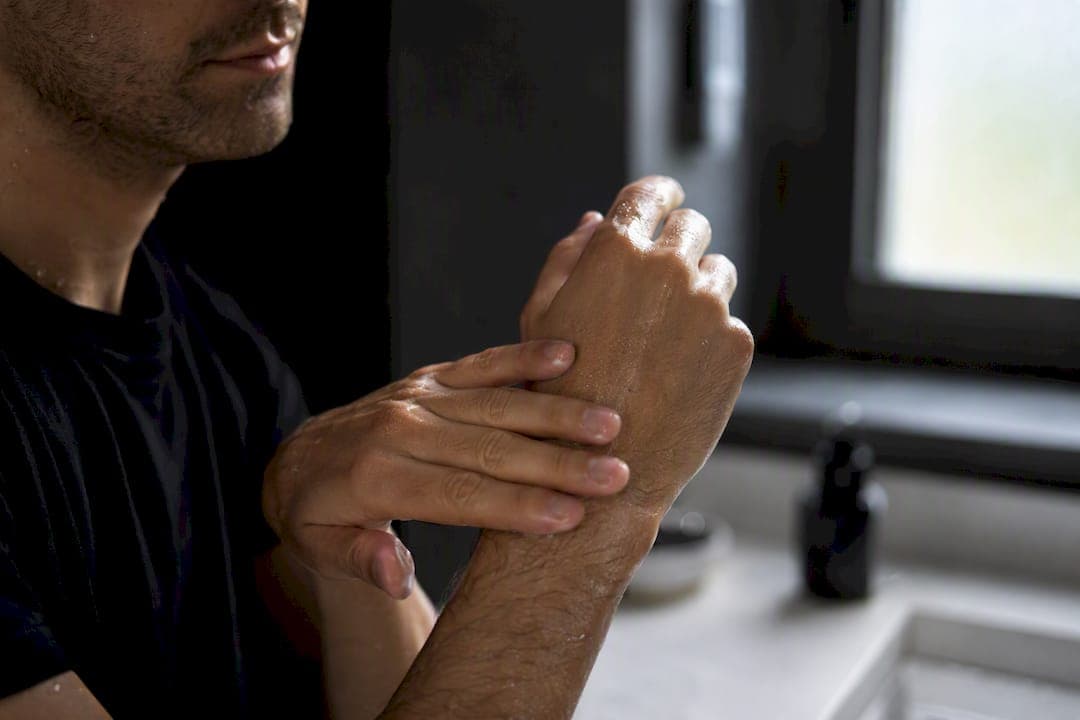
Pro Tip: Press a small amount of moisturiser into damp skin rather than rubbing it in. Locking moisture onto slightly wet skin traps more of the hyaluronic acid serum than applying to dry skin, which is closer to how the technicians finish the treatment in clinic.
Key Takeaways
Effective hydrafacial aftercare depends on daily SPF, gentle hydration, and a short pause on strong actives and heat during the first 48 to 72 hours.
| Point | Details |
|---|---|
| Protect skin from UV | Apply broad-spectrum SPF 30 minimum daily; some protocols call for SPF 40. |
| Pause strong actives | Hold retinoids, AHAs/BHAs and strong vitamin C for 7 to 14 days depending on strength. |
| Avoid heat for 24 hours | Skip saunas, hot showers and strenuous exercise to limit irritation and sweating. |
| Watch for red flags | Contact your clinician if redness persists beyond 48 to 72 hours or swelling worsens. |
| Get personalised aftercare | Rivers Edge Skin Studio tailors homecare advice and maintenance scheduling to each client's skin. |
Table of Contents
- Hydrafacial aftercare for the first 0 to 24 hours
- What to avoid in the 48 to 72 hours after treatment
- Days 4 to 7: building back your normal routine
- Which products and ingredients are safe after a HydraFacial
- How much sunscreen do you need after a HydraFacial?
- Normal side effects vs signs you should call your clinician
- Why HydraFacial aftercare protects your results
- A clinic's honest view on aftercare
- Book your next step with Rivers Edge Skin Studio
- Frequently asked questions
- Sources
Hydrafacial aftercare for the first 0 to 24 hours
The first day is about restraint, not routine. Your skin has just been through hydrodermabrasion, gentle extraction and a round of serum infusion, and the outer barrier is temporarily more permeable than usual. That's exactly why the standard advice is to use a gentle cleanser for the first 24 to 48 hours and avoid anything abrasive.
Makeup isn't strictly forbidden, but most clinicians prefer clients wait until the next morning. Applying makeup the same day is generally fine if you need to, though holding off lets the infused serums keep working without a layer of product sitting on top.
Heat is the other thing to respect. Avoid strenuous exercise, saunas, steam rooms, hot tubs and direct sun for at least 24 hours, because heat dilates blood vessels and increases sweating, both of which can irritate freshly treated skin and raise the risk of transient breakouts.
A simple timeline to follow:
- Hour 0: Apply SPF before leaving the clinic; avoid touching your face on the drive home.
- Hours 6 to 12: Cleanse gently if needed, then reapply a hydrating moisturiser. No active ingredients.
- Before bed: One more layer of moisturiser, sleep on a clean pillowcase, and skip any exfoliating cleanser you'd normally use at night.
Mild redness or a feeling of tightness in the first few hours is normal and usually settles by the next morning.
Pro Tip: If your skin feels tight or looks flushed, a cool (not cold) compress for a few minutes calms things down faster than any product. Ice can be too aggressive on freshly treated skin.
Around SPF specifically, some clinics build in a minimum standard as part of aftercare, since daily sun protection is one of the few non-negotiables in the first days of recovery.
What to avoid in the 48 to 72 hours after treatment
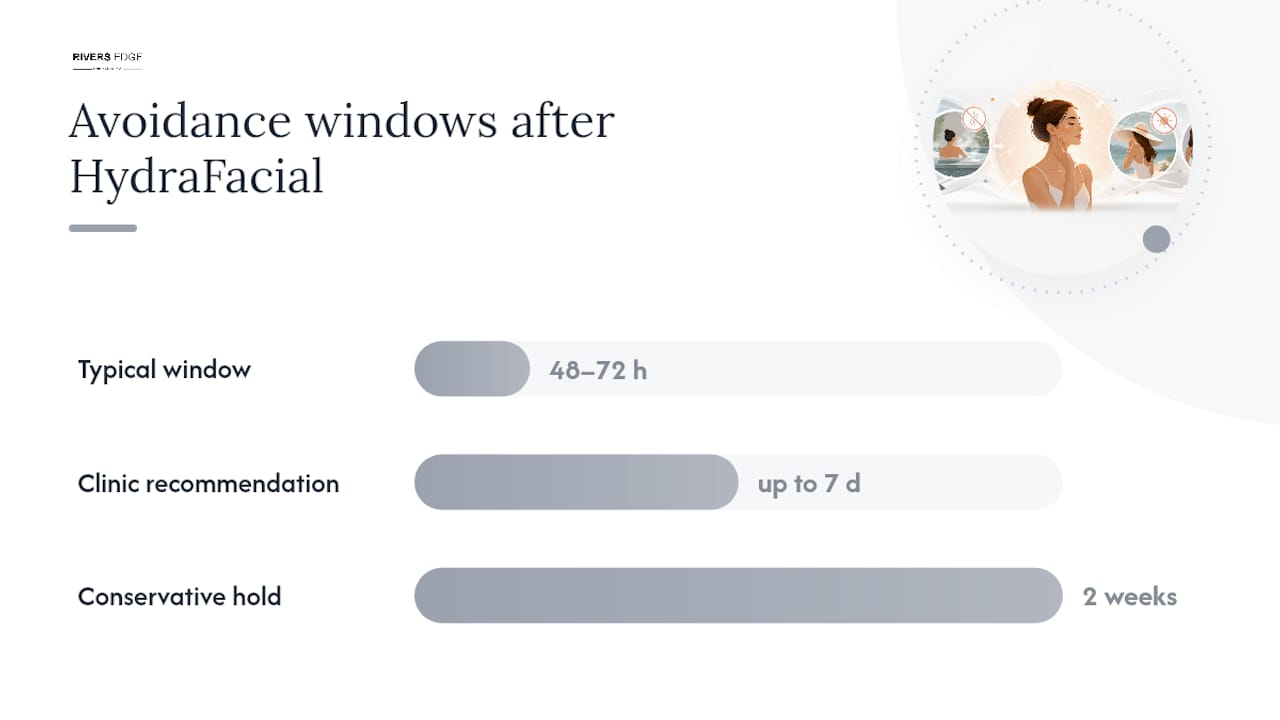
This window is where most self-inflicted setbacks happen, usually because someone reaches for their normal retinol or exfoliating toner out of habit. Don't. Some clinic protocols recommend avoiding acids and retinoids for up to seven days, and more conservative guidance pushes that further still.
Pause these ingredients:
- Retinoids and retinol, even low-strength versions.
- AHAs and BHAs, including glycolic, lactic and salicylic acid.
- High-strength vitamin C serums (above roughly 10-15%).
- Benzoyl peroxide or any acne treatment with a drying effect.
The reasoning is straightforward. Your skin's barrier is more sensitive in this window, so these actives are more likely to cause irritation, redness or, in some skin tones, temporary hyperpigmentation. That risk is amplified if you're also getting sun exposure without adequate protection.
If you're on a prescription-strength product, such as tretinoin, don't restart it on your own timeline. Follow your treating clinician's specific instructions, since they'll know your skin's history and the strength of the treatment you had.
Aggressive exfoliation and acid-containing products are commonly held back for a minimum of two weeks in more conservative pre and post-treatment protocols.
If you've got other treatments booked, such as laser or waxing, space them out. Stacking procedures too close together compounds the stress on your skin rather than giving it time to recover between sessions.
Pro Tip: The most common mistake we see is resuming retinol on day two because "the skin looks fine." Looking calm and being fully recovered aren't the same thing. Wait the full window your clinician recommends, even if your skin seems ready sooner.
Days 4 to 7: building back your normal routine
By day four, most men are past the sensitive stage and can start layering products back in, provided nothing feels irritated or tight.
A simple four to seven day checklist:
- Reintroduce a light antioxidant serum, such as a low-strength vitamin C, if your skin feels settled.
- Keep using a gentle, hydrating moisturiser both morning and night.
- Hold off full-strength exfoliation until at least day seven, and only if your clinician has confirmed it's fine.
- Continue daily SPF regardless of how your skin looks or feels.
From here, the goal shifts from recovery to maintenance. A weekly routine that protects your result doesn't need to be complicated:
- Cleanse morning and night with a fragrance-free formula.
- Moisturise while skin is still slightly damp.
- Apply SPF every morning, rain or shine.
- Drink enough water and prioritise sleep, both of which affect how your skin holds hydration.
- Manage stress where you can. Cortisol spikes show up on your skin faster than most men expect.
Most clients see the best long-term results from a maintenance treatment every four to six weeks, which lines up with your skin's natural renewal cycle. Our guide on how to maintain results after a facial treatment goes deeper into building that routine.
Pro Tip: Book your next HydraFacial before you leave your current appointment. Clients who schedule the follow-up in advance are far more consistent with the four to six week cadence than those who wait until their skin "needs it."
Which products and ingredients are safe after a HydraFacial
Keep it simple in the first week. A cluttered routine is the enemy of recovery, and most of what your skin needs right now is hydration and protection, not a fresh serum you just bought.
Safe picks for morning and evening:
- A fragrance-free, non-foaming cleanser.
- A moisturiser built around hyaluronic acid and ceramides, which support the skin barrier while it recovers.
- A plain, broad-spectrum SPF with no added actives.
Ingredients to shelve, and roughly when to restart:
- Retinoids: hold for at least 7 days, longer if your clinician advises it.
- AHAs/BHAs: hold for 7 to 14 days depending on strength and your skin's reaction.
- High-strength vitamin C: hold until any sensitivity has fully settled, usually a week.
- Benzoyl peroxide: hold for at least a week, since it's drying and can aggravate freshly treated skin.
One misconception worth clearing up: not every active is off-limits. A low-strength, buffered antioxidant serum is a different proposition to a 20% glycolic acid peel pad. If you're unsure whether a product on your shelf counts as a "strong active," check the ingredients list rather than guessing from the packaging.
Pro Tip: Flip the bottle over. If salicylic acid, glycolic acid, lactic acid, retinol or ascorbic acid appear anywhere in the first half of the ingredients list, treat it as a strong active and pause it, even if the front label says "gentle" or "sensitive skin."
Our piece on post-treatment skincare steps men need to follow covers product selection in more depth if you want to rebuild your full routine properly.
How much sunscreen do you need after a HydraFacial?
Exfoliation removes the outer layer of dead skin cells, which is exactly what makes your skin glow afterwards, but it also strips away a layer of natural UV protection. That leaves you noticeably more exposed to sunburn and, for some skin tones, patchy pigmentation if you skip protection.
Sun protection rules for the first week:
- Apply a broad-spectrum SPF 30 minimum every morning; some clinics recommend SPF 40 depending on their own protocol, so follow whatever your treating clinician specifies.
- Avoid direct sun and tanning beds for 24 to 48 hours, and reapply sunscreen every two hours if you're outdoors longer than that.
- Choose a mineral (physical) filter such as zinc oxide if your skin still feels sensitive, since chemical filters can sting on freshly treated skin.
Clinics often apply sunscreen at the very end of the appointment for a reason: it sets the tone for how seriously you should take it over the following days.
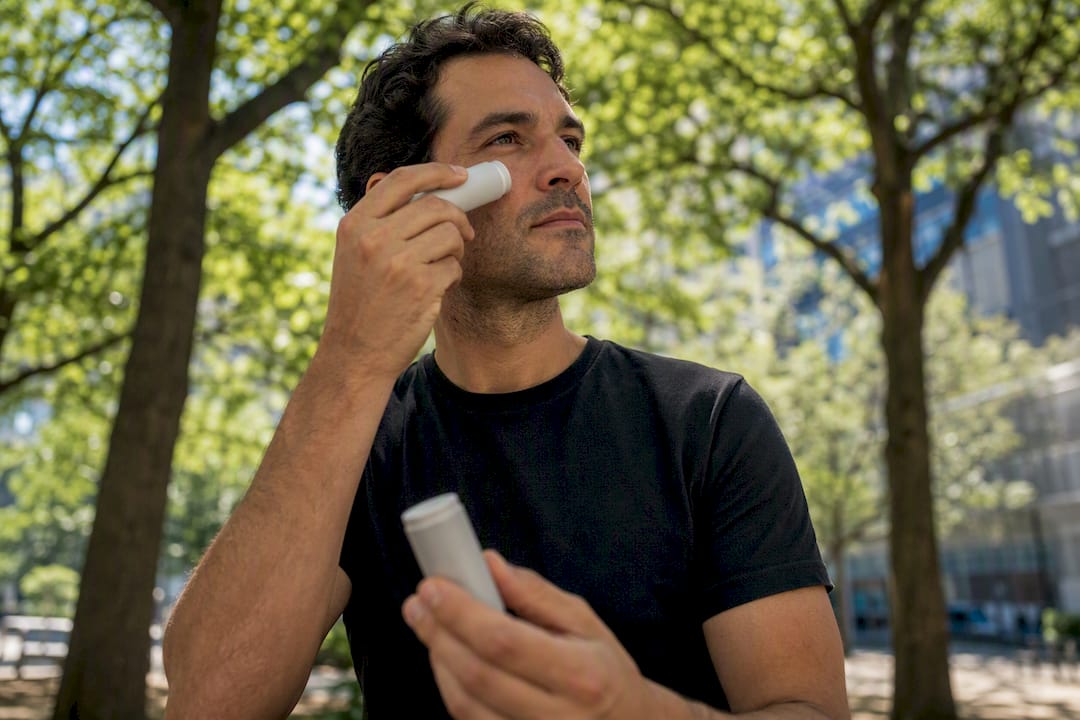
Pro Tip: Keep a travel-size SPF stick in your car or bag. Layering it over a hydrating serum takes seconds and means you've no excuse to skip reapplication at lunch.
Normal side effects vs signs you should call your clinician
Some reaction is expected and nothing to worry about. Mild redness, a feeling of tightness, or slight sensitivity to touch typically fade within a few hours to a day.
Contact your clinician if you notice:
- Redness that persists beyond 48 to 72 hours rather than fading.
- Swelling that's severe or getting worse rather than settling.
- Signs of infection: warmth, pus, or increasing pain around any extraction point.
- A rash or reaction that suggests an allergy to a product used during treatment.
Clients with a history of cold sores are a special case. Facial extraction can trigger an outbreak, so clinicians often recommend starting antiviral prophylaxis two days before treatment and continuing for several days after to reduce that risk.
If you're prone to cold sores, mention it before your appointment rather than after symptoms appear.
Pro Tip: If something looks off, take a clear photo in natural daylight and send it to your clinic straight away. It lets them triage whether you need to come in or simply wait it out, without you having to describe symptoms over the phone.
Why HydraFacial aftercare protects your results
A HydraFacial works in stages: cleansing, gentle exfoliation, painless extraction, then infusion of hydrating serums into the freshly cleared skin. That last stage is the whole point of the treatment, and it's also the most fragile part.
Aftercare exists to seal in what the treatment just infused. If you introduce heat, sweat or strong actives too soon, you're working against the very serums you paid for, not with them.
The barrier sensitivity in the first 48 hours is temporary but real. Avoiding actives and heat during that window isn't overcaution, it's what keeps pigment risk and irritation to a minimum while your skin resets. This is also why hydration matters so much early on: both topical humectants and adequate water intake help maintain the treatment's visible benefit for longer.
A clinic's honest view on aftercare
Every man's skin responds differently, which is why we always tailor aftercare advice to what we see on the day, not a generic sheet. If something feels off after your treatment, get in touch rather than waiting it out. Personalised follow-up is what separates a good result from a wasted one.
Book your next step with Rivers Edge Skin Studio
Rivers Edge Skin Studio treats aftercare as part of the service, not an afterthought you're left to work out alone. Every HydraFacial ends with personalised homecare advice specific to your skin, so you're not guessing which products to pick up or when to restart your usual routine.

If your skin isn't behaving the way you expected, or you simply want a professional to check your recovery is on track, our team can talk you through it directly rather than leaving you to interpret a printed aftercare sheet. We also help clients plan their four to six week maintenance cadence so results don't fade between visits, something covered in more detail in our HydraFacial benefits guide for men. Ready for your next appointment or a post-treatment check-in? Visit our services page to see current HydraFacial options and book a slot that suits you.
Frequently asked questions
How soon can I wash my face after a HydraFacial? You can rinse with lukewarm water the same day, but stick to a gentle, fragrance-free cleanser for the first 24 to 48 hours and avoid scrubbing.
How soon will I see HydraFacial results? Most people notice a difference immediately, with results typically lasting one to four weeks depending on skin type and aftercare.
Can I wear makeup the day of my HydraFacial? It's generally fine, but waiting until the next morning gives the infused serums more time to work without a product layer on top.
When can I use retinol again after a HydraFacial? Wait at least seven days, longer if your clinician recommends it, since retinol can irritate freshly treated skin.
Do I really need SPF 40 instead of SPF 30? SPF 30 is the standard minimum, though some clinic protocols specify SPF 40. Follow whatever your treating clinician advises for your skin.
This article is general information, not a substitute for advice from a qualified doctor. Consult a qualified healthcare professional about your own circumstances before acting on anything here.