
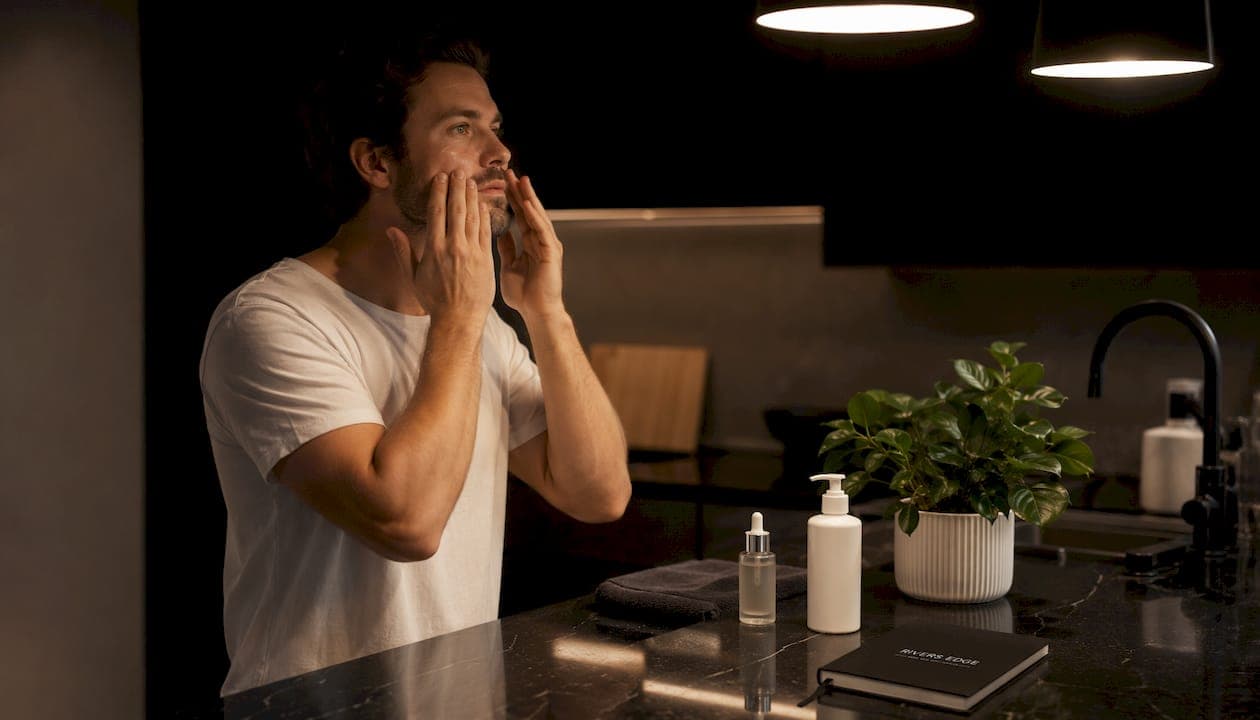
Preserve your post-facial glow by following a protected 24–72 hour window, a simple first-week routine, and a professional maintenance cadence every 4–6 weeks. That single prescription covers the vast majority of what determines whether your results last days or weeks. Before you leave the clinic, three things matter most:
- Leave without makeup applied and keep your hands away from your face
- Apply only the moisturiser and SPF your clinician recommends
- Book your follow-up before you walk out the door
Skin cell turnover averages 28 days, which is why scheduling maintenance appointments every 4–6 weeks keeps results cumulative rather than letting them reset between visits. The first 72 hours are the most critical window, but the habits you build in the weeks after are what genuinely extend the glow.
Table of Contents
- Why does aftercare matter so much for your skin?
- What reactions are normal after a facial?
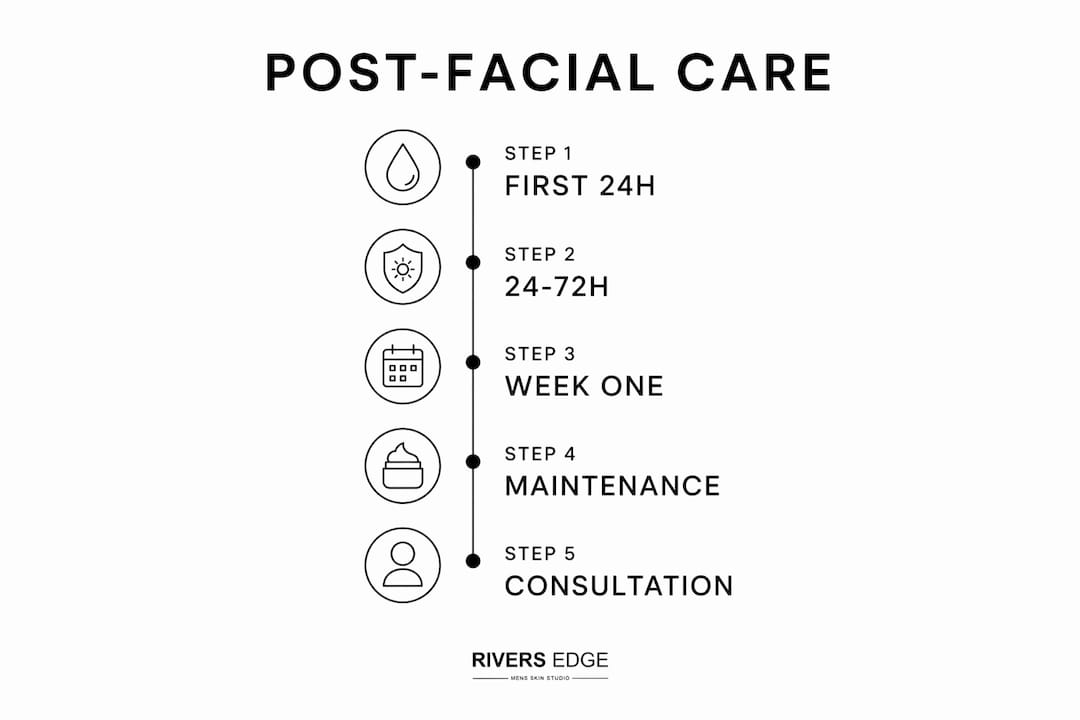
- Exact do's and don'ts in the first 24–72 hours
- What should your daily routine look like in week one?
- How do you sustain results beyond the first week?
- Which internal factors help your results last longer?
- When should you contact your clinician or GP?
- What does a Riversedgeskinstudio aftercare plan look like?
- Key takeaways
- The part most men get wrong about aftercare
- Personalised aftercare at Riversedgeskinstudio
- Further reading and clinic resources
Why does aftercare matter so much for your skin?
A professional facial does three things simultaneously: it exfoliates the outer epidermal layer, temporarily disrupts the skin barrier, and primes the dermis for deeper product absorption. That combination is what makes the treatment effective — and what makes the hours immediately after it consequential.
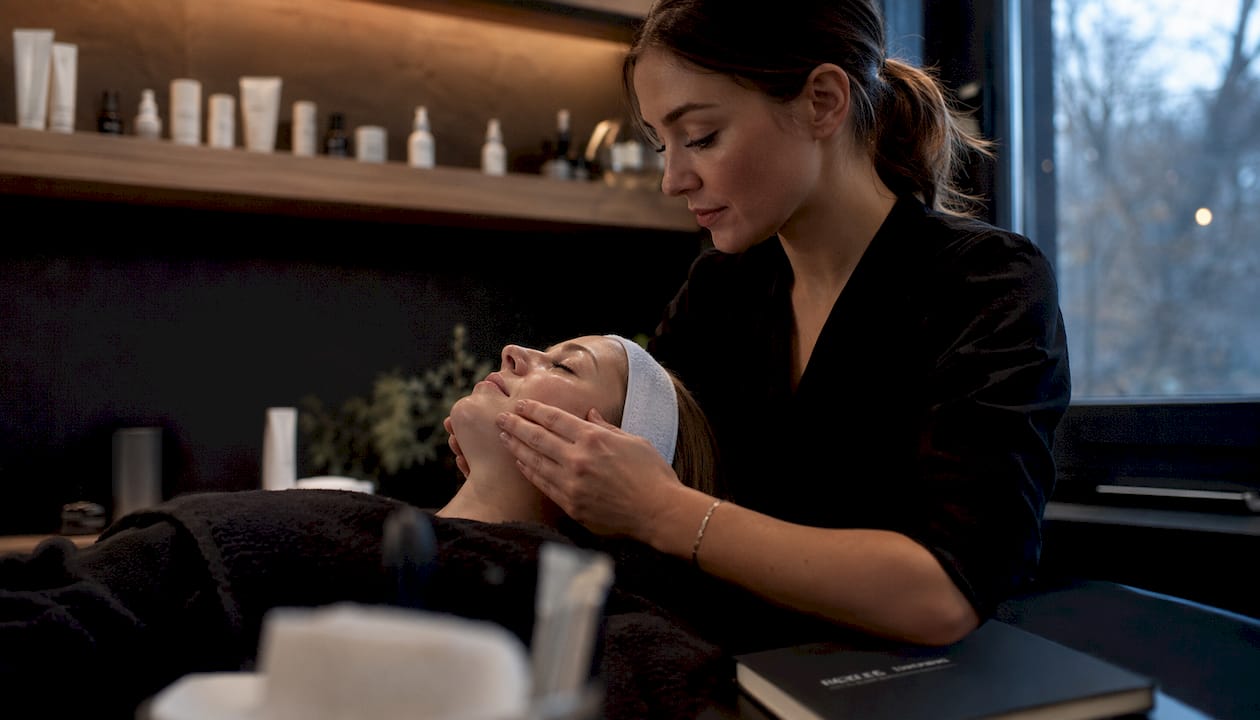
With the barrier temporarily compromised, your skin absorbs topical ingredients at a higher rate than usual. That works in your favour when you apply ceramides, hyaluronic acid, or niacinamide. It works against you if you reach for a retinoid or glycolic acid toner out of habit.
Pro Tip: What you apply in the first 48 hours penetrates more deeply than it would on a normal day. Keep it simple and barrier-supportive — this is not the moment to layer actives.
The collagen stimulation and hydration boost triggered by the treatment continue for multiple days after you leave the clinic. Protecting that process, rather than interrupting it, is the entire logic behind post-facial care.
What reactions are normal after a facial?
Most redness, warmth, or tightness after a facial is entirely expected and typically resolves within a few days. Knowing what is normal prevents unnecessary worry and stops you reaching for products that could make things worse.
Typical short-term reactions and how to handle them:
- Redness or warmth: Apply a cool (not ice-cold) compress for a few minutes; avoid hot showers
- Tightness or mild flaking: Use a fragrance-free moisturiser; do not pick or rub
- Light breakouts: These are part of the purging process as congestion clears; keep skin clean with a gentle cleanser and avoid squeezing
- Mild sensitivity: Swap your usual routine for the pared-back version described below
When to contact your clinic immediately: Seek professional advice if you experience spreading redness that worsens after 48 hours, intense pain, pus or discharge, significant swelling, a fever, or any sign of an allergic reaction such as hives or difficulty breathing. These are not normal post-facial responses and require prompt clinical assessment.
Small breakouts that appear in the first few days are usually purging, not a sign that the treatment has gone wrong. They typically clear within about a week. If they persist or worsen, that is the moment to call the clinic.
Exact do's and don'ts in the first 24–72 hours
The critical rule for the first three days: no heavy makeup, no saunas, no vigorous exercise, and no strong actives. Do cleanse gently, repair the barrier, and apply SPF every morning without exception.
| Time window | What to do | What to avoid |
|---|---|---|
| 24 hours | Gentle cleanser, hydrating serum, fragrance-free moisturiser, mineral SPF 30+ | Makeup, retinoids, acids, hot showers, exercise, saunas |
| 24–48 hours | Continue barrier routine; cool compress if redness persists; lukewarm water only | Alcohol-based toners, face scrubs, steam rooms, direct sun exposure |
| 48–72 hours | Light tinted moisturiser acceptable if needed; continue SPF; gentle cleanse AM and PM | Waxing, laser treatments, picking at any flaking skin |
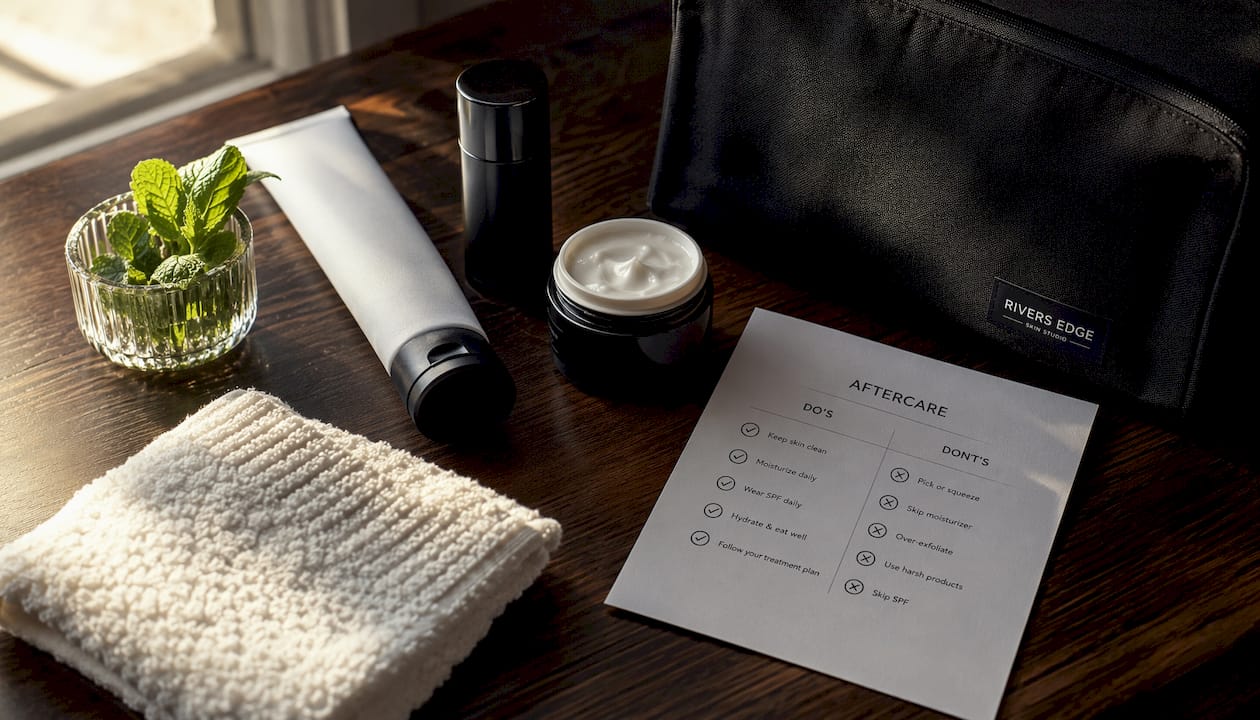
UV exposure accelerates collagen breakdown and can undo the results of a facial quickly, which is why mineral SPF is essential from day one. Zinc oxide or titanium dioxide formulas are preferable to chemical filters on freshly treated skin, as they sit on the surface rather than absorbing into a compromised barrier.
Pro Tip: Sleep on a clean pillowcase and try to sleep on your back for the first two nights. Pressure and friction on freshly treated skin can cause irritation and slow the healing process.
For bearded clients, avoid shaving for at least 48 hours post-treatment. The post-treatment skincare steps for men with facial hair differ slightly: product application needs to reach the skin beneath the beard, and the waiting period before shaving is a practical safeguard against irritation.
What should your daily routine look like in week one?
Follow a pared-back AM and PM routine for the first seven days, and delay strong actives until your clinician confirms the skin has settled. The four-phase timing framework used by clinical practitioners divides aftercare into pretreatment, treatment day, Days 1–7, and Days 8–28 — each with distinct product guidance.
Days 1–3 (AM and PM):
- Gentle, fragrance-free cleanser (lukewarm water, pat dry)
- Hydrating serum containing hyaluronic acid or niacinamide
- Fragrance-free moisturiser with ceramides or panthenol
- Mineral SPF 30+ (morning only)
Days 4–7 (AM and PM):
- Same cleanser
- You may introduce a single low-strength active — a mild vitamin C serum is a reasonable first choice
- Moisturiser as above
- SPF (morning only)
Reintroduction timeline for stronger actives:
- Vitamin C (low strength): Days 4–5 onwards, if skin feels settled
- Retinoids: No earlier than Day 7 for gentle facials; extend to Day 10–14 after chemical peels or microneedling
- AHAs and BHAs (glycolic, salicylic): Day 7 at the earliest; monitor carefully for sensitivity
- Benzoyl peroxide: Avoid for at least 5–7 days post-treatment
Ingredients to favour in week one: ceramides, hyaluronic acid, niacinamide, panthenol, aloe vera. These support barrier repair without adding exfoliation pressure. The IAPAM expert consensus identifies these as broadly well-tolerated across procedure types during the short-term aftercare period.
Ingredients to avoid in week one: retinoids, glycolic acid, salicylic acid, benzoyl peroxide, alcohol-based toners, physical scrubs, and most brightening or acne-treatment masks.
How do you sustain results beyond the first week?
The single most influential long-term steps are a consistent daily routine anchored by SPF, a treatment cadence aligned to your skin's renewal cycle, and a few straightforward lifestyle habits. None of this needs to be complicated.
Long-term maintenance habits:
- Apply SPF every morning, year-round, regardless of weather
- Book follow-up facials every 4–6 weeks to align with the 28-day skin turnover cycle.
- Adjust your routine seasonally: richer moisturisers in winter, lighter textures in summer
- Avoid smoking, which accelerates collagen breakdown and dulls skin tone
- Limit alcohol, which dehydrates the skin and impairs overnight repair
- Combine your clinic visits with a consistent at-home skincare routine — facials reset the skin, daily products preserve the effect
Pro Tip: Schedule your maintenance facial two weeks before any major event — a wedding, job interview, or important occasion. That timing gives the skin time to settle fully and show the best results.
For specific concerns such as acne, hyperpigmentation, or ageing, your clinician may recommend a shorter interval of three to four weeks initially, then spacing out once the skin has stabilised. The frequency is not fixed — it responds to your skin's behaviour and the procedures involved.
Which internal factors help your results last longer?
Internal factors such as hydration, nutrition, sleep, and smoking status materially affect how long a facial's benefits persist. No topical product fully compensates for a body that is chronically dehydrated or sleep-deprived.
- Hydration: Aim for 8–10 glasses of water daily; this supports cellular repair and keeps the skin plump between treatments
- Diet: Prioritise antioxidant-rich foods — berries, leafy greens, oily fish — which support collagen synthesis and reduce oxidative stress
- Sleep: 7–9 hours per night is the window during which the skin undergoes most of its repair; cutting this short visibly accelerates dullness
- Smoking: Nicotine constricts blood vessels and reduces oxygen delivery to skin cells, shortening the visible lifespan of any treatment
- Caffeine and alcohol: Both dehydrate; moderate consumption and compensate with extra water on days you drink either
Simple daily habits compound over time. A man who drinks enough water, sleeps well, and avoids smoking will hold his facial results noticeably longer than one who does not, regardless of how good his topical routine is.
When should you contact your clinician or GP?
Contact your clinician promptly if you experience spreading redness, intense or worsening pain, pus or discharge, significant swelling, or a fever. These are red flags that require professional assessment, not home management.
Red flags and recommended actions:
- Spreading redness or rash beyond the treated area: Photograph it and call the clinic the same day
- Pus, crusting, or open wounds: Stop all topical products and contact the clinic immediately; this may indicate infection
- Significant swelling, especially around the eyes: Attend urgent care if the clinic is unavailable
- Fever or flu-like symptoms within 48 hours of treatment: Seek GP advice promptly
- Severe allergic reaction (hives, difficulty breathing, throat tightening): Call 999
What to tell your clinic: Give them the treatment date, the products you have used since, and a clear photograph of the affected area. That information allows them to triage effectively and advise whether you need an in-person review or can manage at home.
Knowing when to seek professional skincare advice is as important as knowing what to apply. If something feels wrong, trust that instinct and make the call.
What does a Riversedgeskinstudio aftercare plan look like?
Riversedgeskinstudio provides clear, structured aftercare as standard — not as an afterthought. Every client leaves with verbal and written guidance specific to the procedure they have had, along with product recommendations suited to their skin type and, where relevant, their beard.
A typical Riversedgeskinstudio post-treatment checklist includes:
- Verbal aftercare briefing before the client leaves the clinic
- Written aftercare instructions covering the 72-hour window and first-week routine
- Product recommendations tailored to the procedure (HydraFacial, chemical peel, microneedling, or facial for bearded men)
- A follow-up contact point for questions in the days after treatment
- A scheduled maintenance appointment to align with the skin's renewal cycle
| Aftercare element | What it covers |
|---|---|
| Immediate verbal brief | Do's and don'ts for the first 24 hours, specific to the procedure |
| Written instructions | First-week routine, reintroduction timeline, red-flag guidance |
| Product guidance | Barrier-supportive products and SPF recommendations |
| Follow-up contact | Phone or message support for post-treatment questions |
| Maintenance booking | Scheduled follow-up every 4–6 weeks |
For bearded clients, the men-specific aftercare approach includes guidance on product application beneath facial hair, the minimum waiting period before shaving, and lighter product textures that work with rather than against beard growth. If you are unsure about beard trimming and care in the days after treatment, that is a practical detail worth discussing at your appointment.
The clinic's services page outlines the full range of treatments available, each with a personalised aftercare plan built in.
Key takeaways
Consistent aftercare in the first 72 hours, combined with a 4–6 week maintenance cadence, is the most reliable way to maintain results after facial treatment.
| Point | Details |
|---|---|
| First 72 hours are critical | Gentle cleanse, barrier moisturiser, and mineral SPF — no actives, no saunas, no heavy makeup. |
| Reintroduce actives gradually | Wait until Day 4–5 for mild vitamin C; hold retinoids and acids until at least Day 7. |
| Match cadence to skin turnover | Book follow-up facials every 4–6 weeks to align with the 28-day renewal cycle. |
| Internal habits extend results | Drinking 8–10 glasses of water daily, sleeping 7–9 hours, and avoiding smoking all prolong visible benefits. |
| Riversedgeskinstudio aftercare | Every treatment includes written instructions, product guidance, and a scheduled follow-up for men's skin. |
The part most men get wrong about aftercare
The conventional advice around post-facial care focuses almost entirely on what to avoid: no retinol, no gym, no makeup. That list is correct, but it misses the more important point. The real determinant of how long your results last is not the 48-hour avoidance window — it is what you do consistently in the four weeks that follow.
Most men leave a facial feeling good and then return to their usual routine within a few days, treating the treatment as a one-off reset. That approach produces temporary results. The skin's renewal cycle runs on 28 days. If you are not supporting that cycle with a consistent daily routine and a follow-up appointment timed to it, you are effectively starting from scratch each time.
The other thing worth saying plainly: SPF is not optional. UV exposure is the primary external driver of collagen breakdown, and it does not pause because you have just had a facial. A man who invests in a HydraFacial or chemical peel and then skips sunscreen is shortening his results every single day. A mineral SPF 30+ applied every morning costs almost nothing relative to the treatment itself.
Aftercare for bearded men also deserves more attention than it typically gets. Product application beneath a beard requires a different technique, and the waiting period before shaving is a practical safeguard that many clients overlook. These are small adjustments, but they make a real difference to how the skin heals.
Personalised aftercare at Riversedgeskinstudio
Getting a professional facial is straightforward. Keeping the results takes a plan — and that is exactly what Riversedgeskinstudio builds for every client.

Riversedgeskinstudio is a specialist men's skin clinic in Merseyside offering HydraFacials, chemical peels, microneedling, and facials tailored for bearded and non-bearded men. Every appointment includes a personalised aftercare plan with written instructions, product guidance, and a scheduled follow-up timed to your skin's renewal cycle. There is no guesswork about what to apply or when—your clinician covers it before you leave.
If you want a maintenance schedule that actually fits your skin type and lifestyle, book your appointment through the men's skin treatments page and get a plan built around you.
Further reading and clinic resources
- Post-treatment skincare steps men need to follow — Riversedgeskinstudio's own guide to male-specific post-treatment care
- Why professional facials beat home skincare for men — context on why in-clinic treatments deliver deeper results
- How to start a men's skincare routine in 2026 — a practical starting point for building daily habits around your treatment
- IAPAM post-procedure skincare protocols — expert consensus on phase-based timing for actives and aftercare
- Aelita's Beauty: how to maintain facial results — useful overview of the 28-day turnover cycle and maintenance cadence
- Riversedgeskinstudio services page — full treatment list and online booking for men's skin treatments in Liverpool