
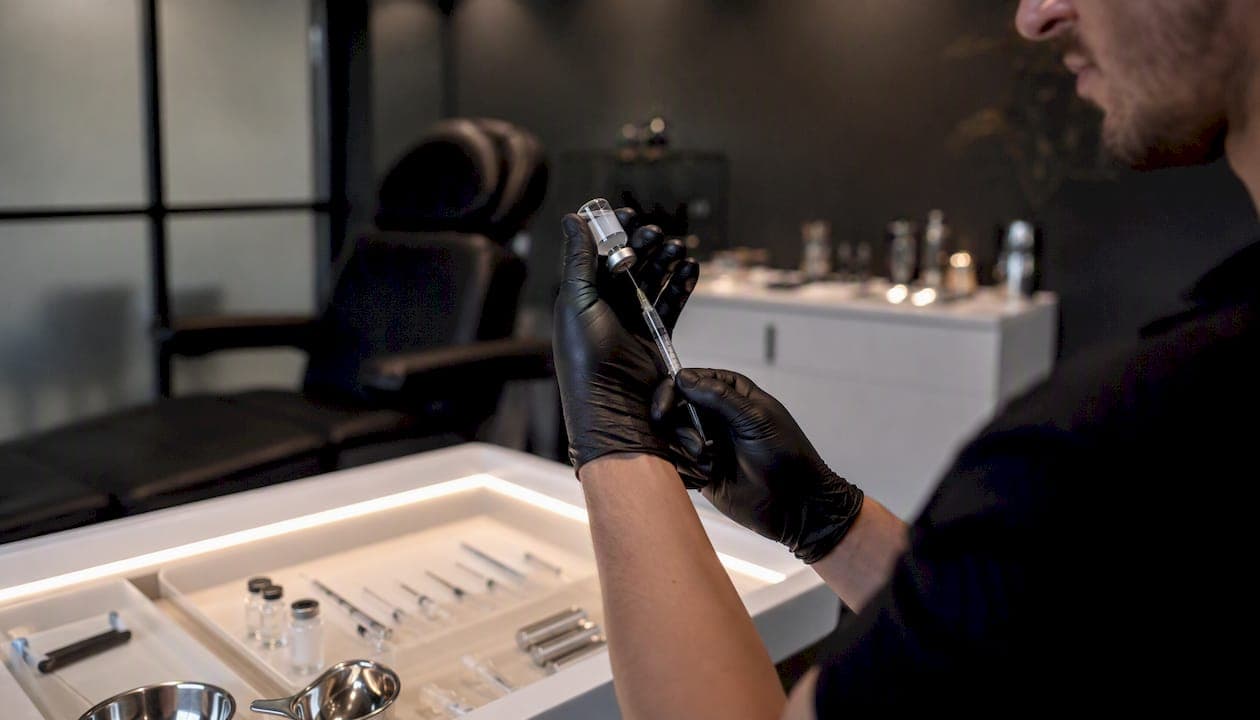
The most effective approach is a layered, personalised sequence: neuromodulators first to neutralise dynamic muscle forces, followed by structural volumisation with fillers or biostimulators, then surface refinement through resurfacing or skin boosters. A comprehensive review of non-surgical rejuvenation techniques confirms that combination therapies addressing multiple anatomical layers consistently outperform single-modality treatment. The key is sequencing, not stacking everything at once.
Common complementary pairings to consider with your clinician:
- Anti-wrinkle injections (neuromodulator) + hyaluronic acid (HA) filler, same day or within two weeks
- HA filler + radiofrequency (RF) or laser resurfacing, separated by four to six weeks
- Microneedling + PRP or polynucleotide skin boosters, performed in the same session or within days
What to bring to your first consultation:
- A list of current medications (especially anticoagulants, isotretinoin, immunosuppressants)
- Your skin concerns ranked by priority
- A realistic timeline for downtime
The single most useful question to ask your clinician: "In what order would you sequence these treatments, and how long should I wait between each one?"
Key takeaways
Combining anti-aging treatments effectively requires a sequenced, layered plan that addresses deep structural concerns before surface refinement, with defined healing intervals between modalities.
| Point | Details |
|---|---|
| Sequence from deep to surface | Neuromodulators and structural fillers first; resurfacing and peels after structural correction is established. |
| Limit same-session invasive treatments | Stick to two or three complementary modalities per visit to avoid compounding inflammation and barrier disruption. |
| Respect healing intervals | Separate energy-based devices from injectable placements by at least four weeks to prevent filler degradation and excess inflammation. |
| Maintain with SPF and retinoids | Daily SPF 50 and staged retinoid reintroduction are the most evidence-supported topical steps between clinic visits. |
| Riversedgeskinstudio builds staged plans | The clinic offers men in Merseyside personalised, multi-modality sequences with photographic review at each stage. |
Table of Contents
- Why combining treatments works: the layered anatomy rationale
- What each treatment category actually fixes
- How should you sequence treatments and time the intervals?
- What are the risks and contraindications you need to know?
- How do clinicians personalise a plan for you?
- Aftercare and long-term maintenance
- Two sample clinic plans in practice
- The case for a staged plan over a single session
- Riversedgeskinstudio: men's combination treatment plans in Liverpool
- Sources
Why combining treatments works: the layered anatomy rationale
Your face ages across multiple distinct anatomical layers simultaneously. Bone remodels, fat compartments deflate, muscles hyperactivate, the dermis loses collagen, and the epidermis thins. No single treatment addresses all of these. That is the core clinical argument for a layered approach.
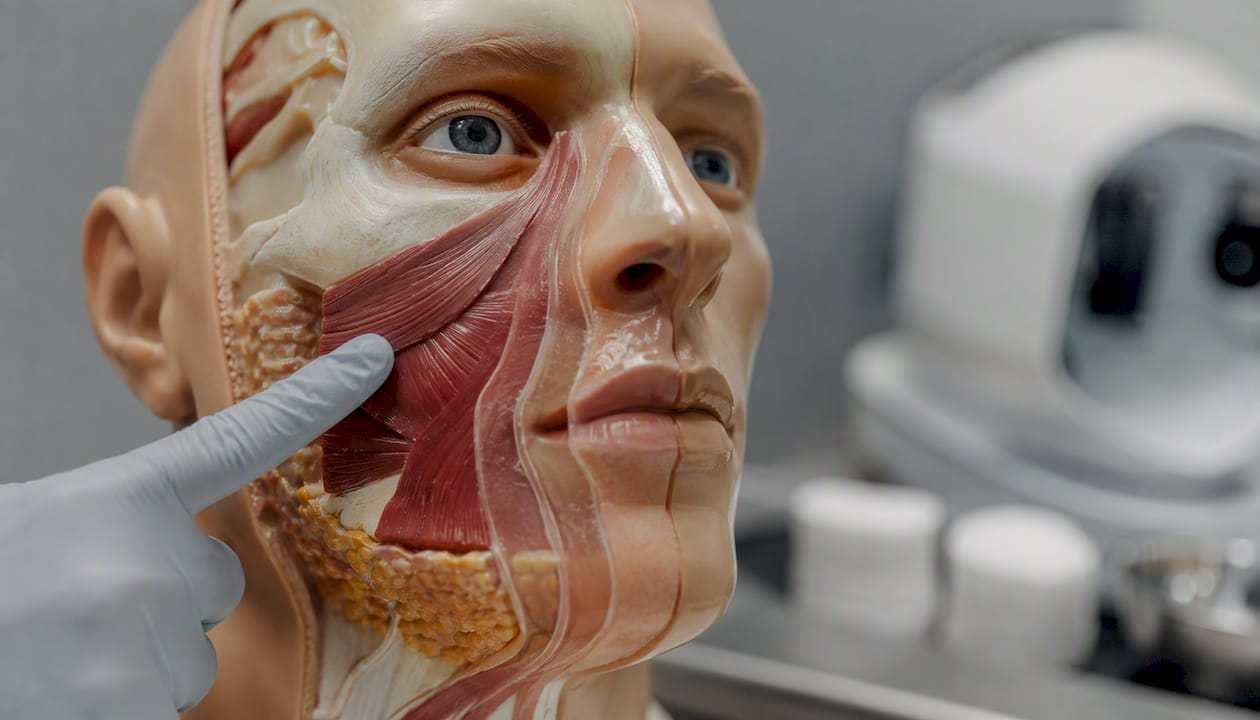
Clinicians map the face from deep to superficial: skeleton and ligaments at the base, then fat compartments and volume, then the muscular layer, then the dermis, and finally the epidermis. Each modality targets a specific level of this stack. Neuromodulators work at the muscular layer, reducing the repetitive contractions that etch lines into the dermis above. Fillers and biostimulators restore volume and structural support in the fat compartments and subdermal planes. Energy-based devices and resurfacing treatments act on the dermis and epidermis, stimulating collagen remodelling and improving surface texture.
A narrative review integrating HA fillers, collagen stimulators, botulinum toxin and energy-based devices concluded that sequenced, layered plans produce synergistic outcomes that monotherapy cannot replicate. The logic is straightforward: if you resurface the skin before correcting the underlying volume loss, you are refining a surface that still sits on a deflated foundation. Structural work first, surface refinement second.
An expert panel published in Plastic and Reconstructive Surgery Global Open formalised this into a systematised layered protocol using neuromodulators, HA fillers, CaHA biostimulators and microfocused ultrasound, with a visualisation protocol (See, Plan, Treat) to guide precise energy delivery. The panel's consensus is that whole-face rejuvenation requires planning across all layers, not treating each concern in isolation.
Why sequencing order matters clinically:
- Neuromodulators relax the muscles that distort filler placement; treating muscle hyperactivity first means fillers sit more accurately
- Deep volumisation establishes the structural scaffold before superficial resurfacing begins
- Surface treatments performed on already-corrected anatomy produce cleaner, more predictable results
Pro Tip: Ask your clinician to describe which anatomical layer each proposed treatment targets. If two treatments target the same layer in the same session, ask why both are needed simultaneously rather than staged.
What each treatment category actually fixes
Understanding what each modality does, and what it cannot do, is what separates a well-planned combination from an expensive disappointment.
| Treatment category | Anatomical target | Primary indications | Typical downtime |
|---|---|---|---|
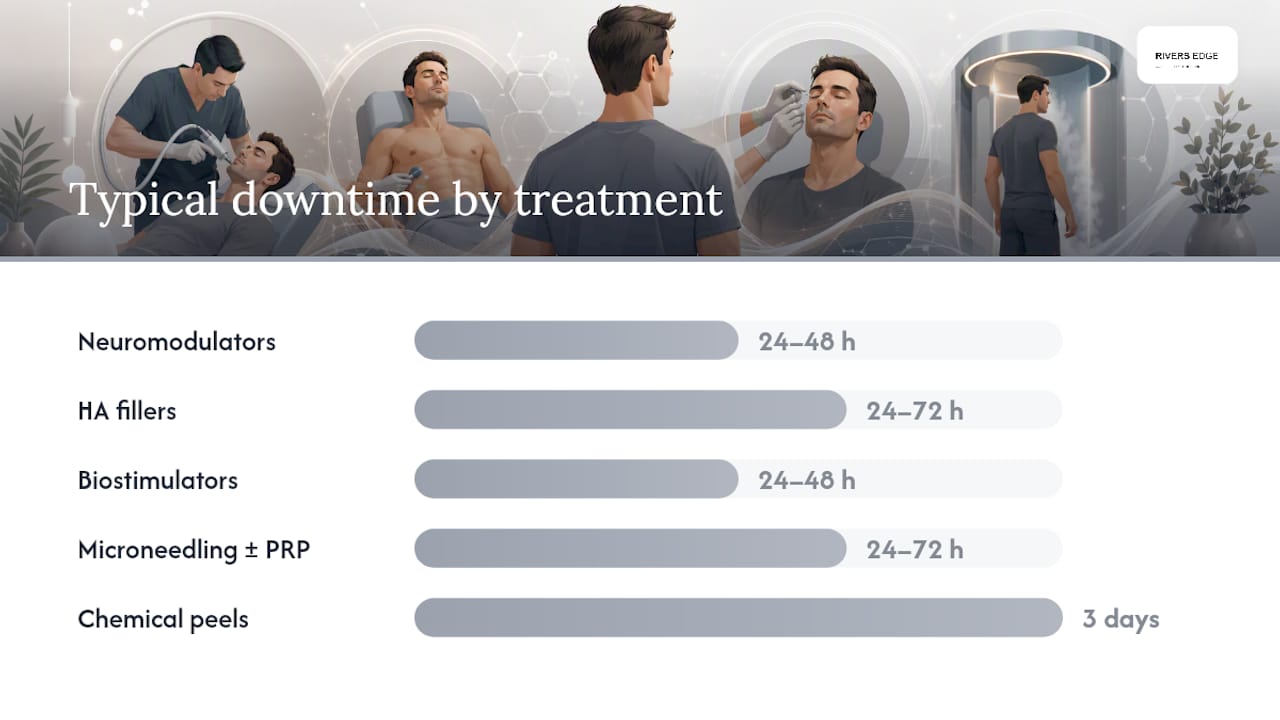
| Neuromodulators (botulinum toxin) | Muscular layer | Dynamic lines (forehead, crow's feet, glabella), jaw slimming, brow lifting | Minimal; 24–48 hours avoid strenuous activity |
| Hyaluronic acid (HA) fillers | Fat compartments, subdermal planes | Volume loss, nasolabial folds, lip definition, under-eye hollows | 24–72 hours swelling/bruising |
| Biostimulators (PLLA, CaHA) | Deep dermis, subdermal scaffold | Diffuse volume loss, skin laxity, collagen stimulation over months | 24–48 hours; full effect at 3–6 months |
| Polynucleotide skin boosters | Dermis | Skin quality, hydration, fine lines, post-acne texture | Minimal; 24–48 hours |
| Microneedling ± PRP | Dermis | Texture, scars, pore size, early laxity | 24–72 hours redness |
| Chemical peels | Epidermis to upper dermis | Pigmentation, uneven tone, superficial lines | 3 days depending on depth |
| Non-ablative laser / RF | Mid to deep dermis | Collagen remodelling, skin tightening, tone | 24–72 hours; ablative peels longer |
| Topical prescription actives (retinoids, vitamin C) | Epidermis, upper dermis | Maintenance, pigmentation, collagen support | None; gradual reintroduction post-procedure |
Biostimulators such as poly-L-lactic acid (PLLA) and calcium hydroxylapatite (CaHA) deserve particular attention. Unlike HA fillers, which provide immediate volume, biostimulators work by triggering the body's own collagen production over weeks to months. They suit men with diffuse laxity rather than focal volume loss, and they pair well with RF microneedling once the collagen-stimulation phase is underway.
Microneedling combined with PRP increases growth-factor delivery through the dermal channels created by the needles, making it a recognised pairing for texture improvement and scar remodelling. The timing matters: PRP should be applied during or immediately after microneedling, not hours later when the channels have begun to close.
Pairing notes by category:
- Neuromodulators pair well with almost every other modality; they are rarely contraindicated in combination
- HA fillers and energy-based devices should be separated by at least four weeks; heat can degrade filler and complicate assessment
- Chemical peels and microneedling target overlapping layers; avoid combining them in the same session
- Polynucleotide skin booster injections work well as a maintenance step following structural correction
Pro Tip: If you are choosing between a biostimulator and an HA filler for diffuse laxity, the biostimulator is often the better long-term investment. The results take longer to appear but tend to last 18–24 months versus 9–12 months for HA volume fillers.
How should you sequence treatments and time the intervals?
Sequencing is where most combination plans succeed or fail. The general clinical rule, supported by multimodal rejuvenation evidence, is: neutralise dynamic forces first, restore structure second, refine the surface third.
Core sequencing rules:
- Neuromodulators first (or same-day in non-overlapping areas). Allow two weeks for full effect before placing fillers in adjacent zones.
- Deep structural fillers (midface, jawline, temples) before superficial refinements (lips, fine lines, tear trough).
- Biostimulators before energy-based devices; allow four to six weeks between sessions.
- RF, laser, or microneedling after injectables have settled; minimum four weeks from filler placement.
- Chemical peels after skin is stable post-injection; typically two to four weeks minimum.
- Topical retinoids paused two weeks before any resurfacing procedure and reintroduced gradually after healing.
Clinical guidance on treatment stacking is explicit that energy-based devices can interact with recent injectable placements, accelerating filler degradation and increasing inflammatory risk. Separating these modalities by a defined healing interval is not optional.
Three sample timelines:
Mild maintenance (single-visit combination):
- Anti-wrinkle injections to forehead and crow's feet + polynucleotide skin boosters to cheeks, same appointment
- No downtime conflict; both are low-invasive and non-overlapping anatomically
Moderate combination (2–3 treatments across 4–6 weeks):
- Week 1: Anti-wrinkle injections
- Week 3: HA filler to midface
- Week 6: Non-ablative laser or RF microneedling
Advanced staged plan (3–6 months):
- Month 1: Neuromodulator + deep HA filler (structural foundation)
- Month 2: Hyperdiluted CaHA biostimulator series (collagen stimulation phase)
- Month 3–4: RF microneedling (remodelling layer)
- Month 5–6: Surface resurfacing or chemical peel (epidermis refinement)
Safety callout: Avoid scheduling high-heat energy devices (ablative laser, RF) within four weeks of any injectable placement. The inflammatory window from one procedure can compound the inflammatory response from another, prolonging recovery and increasing the risk of post-inflammatory hyperpigmentation, particularly in darker skin tones.
What are the risks and contraindications you need to know?
Combining treatments multiplies both the benefits and the potential for adverse events. Your clinician's job is to identify the factors that make certain combinations unsafe for you specifically.
Absolute contraindications (combination procedures should not proceed):
- Active skin infection, cold sore outbreak, or open wound in the treatment area
- Pregnancy or breastfeeding
- Current isotretinoin use; most clinicians require a six-month washout before any resurfacing or injectable procedure
- Uncontrolled autoimmune disease or active immunosuppressive therapy
- Known allergy to any treatment component (e.g., lidocaine, HA)
Relative contraindications (require clinician assessment before proceeding):
- Recent anticoagulant use (warfarin, newer oral anticoagulants, high-dose aspirin); increases bruising and haematoma risk
- History of keloid or hypertrophic scarring; affects suitability for microneedling and ablative procedures
- Recent facial surgery; allow full healing before any energy-based or injectable treatment
- Active dermatitis, eczema, or psoriasis in the treatment zone
- Poorly controlled diabetes; impairs wound healing after resurfacing
Preprocedure checklist your clinician should complete:
- Full medication and supplement review (including herbal supplements that affect clotting)
- Fitzpatrick skin type assessment (determines laser and peel settings)
- Photographic baseline documentation (standardised lighting, multiple angles)
- Test spot for energy-based devices in darker skin types
- Informed consent covering each individual procedure and their combination
- Discussion of realistic downtime and recovery expectations
If you experience unexpected swelling, asymmetry, skin colour changes, or signs of vascular compromise (blanching, mottling, severe pain) after any injectable procedure, seek urgent clinical review. These are rare but time-sensitive events.
How do clinicians personalise a plan for you?
No two men age identically. Skin thickness, facial anatomy, lifestyle, and the specific concerns you want to address all shape which combinations make sense and in what order.
What a thorough consultation covers:
- Medical and skin history: previous treatments, reactions, medications, sun exposure history
- Skin type and tone: Fitzpatrick classification guides energy device settings and peel depth
- Photographic assessment: standardised before images establish a baseline for measuring change
- Layered anatomy mapping: the clinician identifies which layers are most affected (volume, muscle, surface)
- Staged plan proposal: a written sequence with approximate timing, estimated downtime, and cost per phase
- Maintenance schedule: how often each treatment needs refreshing to sustain results
Questions worth asking at your consultation:
- "Which of my concerns would you address first, and why?"
- "What is the minimum interval between these treatments?"
- "What is the realistic downtime for this combination, and can I plan around it?"
- "What evidence supports combining these specific treatments?"
- "How will you measure whether the plan is working?"
Male-specific considerations
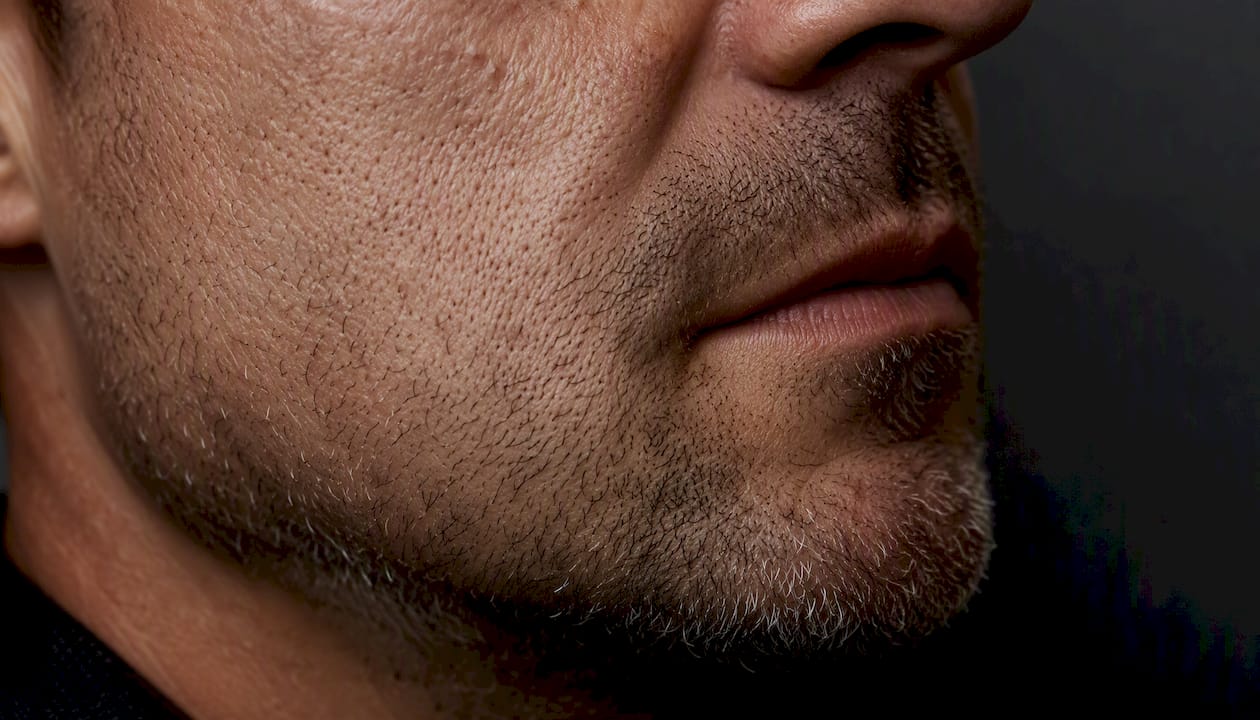
Men's skin is generally thicker than women's, with a denser collagen network and more active sebaceous glands. This affects treatment parameters: laser and RF settings often need adjustment, and chemical peels may require a longer contact time to achieve equivalent penetration. Facial hair, particularly in the beard zone, creates anatomical complexity for filler placement and microneedling. Men also tend to present later, often with more established volume loss and deeper dynamic lines, which means combination plans frequently need to address structural and surface concerns simultaneously rather than sequentially.
Recovery expectations differ too. Men are often less willing to accept visible downtime, which makes the sequencing of lower-downtime treatments first (neuromodulators, skin boosters) and higher-downtime procedures (ablative resurfacing, deep peels) as planned later stages a practical as well as clinical decision. For men's facial rejuvenation options, a staged approach also allows you to assess your response to each modality before committing to the full plan.
Consent and photography are not bureaucratic formalities. Standardised before-and-after images are the most objective way to assess whether a combination plan is delivering measurable change, and they protect both you and the clinician if questions arise later.
Pro Tip: Bring a photograph of yourself from 10–15 years ago to your consultation. It gives the clinician a concrete reference point for the volume and structural changes that have occurred, which is far more useful than a verbal description.
Aftercare and long-term maintenance
Getting the combination right is only half the work. How you care for your skin between sessions, and how consistently you return for maintenance, determines how long the results last.
Immediate aftercare by modality:
- Neuromodulators: avoid lying flat, strenuous exercise, and facial massage for 24 hours; no heat exposure (sauna, steam) for 48 hours
- HA fillers: avoid pressure on treated areas, extreme heat, and alcohol for 48 hours; sleep on your back for the first two nights
- Microneedling / RF: keep skin cool and clean; avoid active skincare ingredients (retinoids, acids, vitamin C) for 48–72 hours
- Chemical peels: strict sun avoidance; do not pick or peel flaking skin; use a gentle, fragrance-free moisturiser only
- Laser resurfacing: follow your clinician's specific protocol; SPF 50 is non-negotiable from day one of healing
A year-long maintenance outline:
- Months 1–3: Complete the initial combination sequence (structural + surface)
- Month 4: Review appointment with standardised photographs; assess response
- Months 4–6: Neuromodulator refresh (typically every 3–4 months for most men)
- Month 6: Filler touch-up assessment; top-up if indicated
- Month 9: Skin booster or biostimulator maintenance session
- Month 12: Annual review; plan the next year's combination strategy
Lifestyle factors are not a soft add-on. Research on epigenetic ageing clocks shows that targeted lifestyle interventions, including regular exercise, plant-rich nutrition, consistent sleep, and stress management, can measurably shift biological age metrics. The five pillars of longevity identified by Harvard Health, movement, nutrition, sleep, stress reduction, and social connection, directly support the skin's capacity to respond to and sustain procedural results.
SPF 50 daily is the single most cost-effective maintenance step available. UV exposure degrades both filler and collagen faster than almost any other environmental factor, and it undoes resurfacing results within months if unprotected.
Retinoids should be reintroduced gradually after any resurfacing procedure, typically starting at a low concentration two to four weeks post-healing and building back to your usual strength over four to six weeks. They are the most evidence-supported topical for long-term collagen maintenance between clinic visits.
Pro Tip: Keep a simple log after each treatment: what was done, any side effects, and how your skin looked at two weeks and six weeks. This record is genuinely useful at your next consultation and helps your clinician adjust the plan based on your actual response rather than average expectations.
Two sample clinic plans in practice
These anonymised examples illustrate how the layered sequencing principles translate into real treatment schedules for men with different starting points.
Plan A: early to moderate ageing (mid-30s to mid-40s)
Goals: Soften forehead lines and crow's feet, restore mild midface volume loss, improve overall skin quality and texture.
- Week 1: Anti-wrinkle injections to forehead, glabella, and crow's feet. Minimal downtime; return to work same day.
- Week 3: HA filler to midface (cheeks) and tear trough if indicated. Expect 24–48 hours of mild swelling.
- Week 6: Non-ablative laser or RF microneedling to improve skin texture and stimulate collagen. Redness for 24–48 hours.
- Week 10: Review appointment with photographs. Assess neuromodulator effect and filler integration.
- Month 4: Neuromodulator refresh. Polynucleotide skin booster session for ongoing hydration and quality maintenance.
Expected outcome at 12 weeks: Smoother dynamic lines, restored midface contour, improved skin texture and luminosity. Objective checkpoint: standardised photographs compared against baseline.
Plan B: advanced staged plan (late 40s to 50s)
Goals: Address significant volume loss across multiple facial zones, improve skin laxity, refine surface texture and tone.
- Month 1: Anti-wrinkle injections (full upper and lower face where indicated) + deep HA filler to temples, midface, and jawline. Structural foundation established.
- Month 2: Hyperdiluted CaHA biostimulator series (two sessions, two weeks apart) to stimulate diffuse collagen production across cheeks and neck.
- Month 3: RF microneedling (two sessions, four weeks apart) targeting mid-dermal remodelling and skin tightening.
- Month 5: Surface resurfacing with a medium-depth chemical peel or non-ablative fractional laser. Allow seven to ten days for full healing.
- Month 6: Full photographic review. Neuromodulator refresh. Plan ongoing maintenance schedule.
Expected outcome at six months: Measurable improvement in facial contour, skin laxity, texture, and tone across multiple layers. Downtime is distributed across the plan rather than concentrated in one session, which suits men who cannot take extended time away from work.
Both plans follow the layered sequencing approach that clinical evidence supports: structural correction before surface refinement, with defined intervals between modalities to allow healing and accurate assessment.
The case for a staged plan over a single session
The temptation to address everything in one visit is understandable, but it consistently produces worse outcomes than a staged approach. Stacking more than two or three invasive procedures in a single session tends to plateau benefit while increasing the risk of prolonged inflammation and barrier compromise. More critically, it removes your ability to assess which treatment produced which result.
A staged plan gives you and your clinician objective checkpoints. If the midface filler at week three looks exactly right, that informs whether the RF microneedling at week six needs to be more or less aggressive. If the neuromodulator at week one produces an unexpected brow drop, that is correctable before the rest of the plan proceeds. Single-session stacking removes all of that clinical intelligence.
There is also a practical argument specific to men. Most men seeking aesthetic treatment are doing so for the first time, or close to it. Starting with lower-downtime, lower-commitment treatments builds confidence in the process and in the clinician. A man who has a good experience with anti-wrinkle injections and a skin booster in session one is far more likely to commit to the deeper structural work in session two than one who is presented with a six-treatment plan on day one.
The evidence base for multimodal approaches is solid. What the research does not support is the idea that more treatments in less time produces proportionally better results. Patience, sequencing, and consistent maintenance are what actually deliver durable change.
Riversedgeskinstudio: men's combination treatment plans in Liverpool
Men in Merseyside looking for a clinic that builds staged, evidence-based plans rather than single-session fixes will find Riversedgeskinstudio a practical fit. The clinic specialises exclusively in men's skin, which means every treatment parameter, from neuromodulator dosing to peel depth, is calibrated for male anatomy and skin physiology.

Available treatments relevant to combination plans include anti-wrinkle injections, HA fillers, polynucleotide skin boosters, microneedling, chemical peels, and RF-based resurfacing. Each consultation begins with a photographic baseline and a layered anatomy assessment, producing a written staged plan with clear timing, downtime expectations, and objective review points. There are no off-the-shelf packages; the sequence is built around your specific concerns, skin type, and schedule.
To book a consultation or review the full service list, visit the Rivers Edge Skin Studio services page and select a time that suits you.
Sources
The following peer-reviewed reviews and clinical guidance documents form the core evidence base for this guide.
- A Multimodal Approach to Facial Rejuvenation—Integrating HA Fillers, Collagen Stimulators, Botulinum Toxin and Energy-Based Devices for Optimal Patient Outcomes
- Advances in Anti-aging Procedures: A Comprehensive Review of Surgical and Non-surgical Rejuvenation Techniques
- Treatment Stacking in Aesthetic Medicine: What Can Be Combined Safely and What Cannot · AestheticMedGuide
- Interventions that change next‑generation epigenetic clocks: systematic searches and summarised interventional effects (Frontiers in Genetics)
This article is general information, not a substitute for advice from a qualified doctor. Consult a qualified healthcare professional about your own circumstances before acting on anything here.