
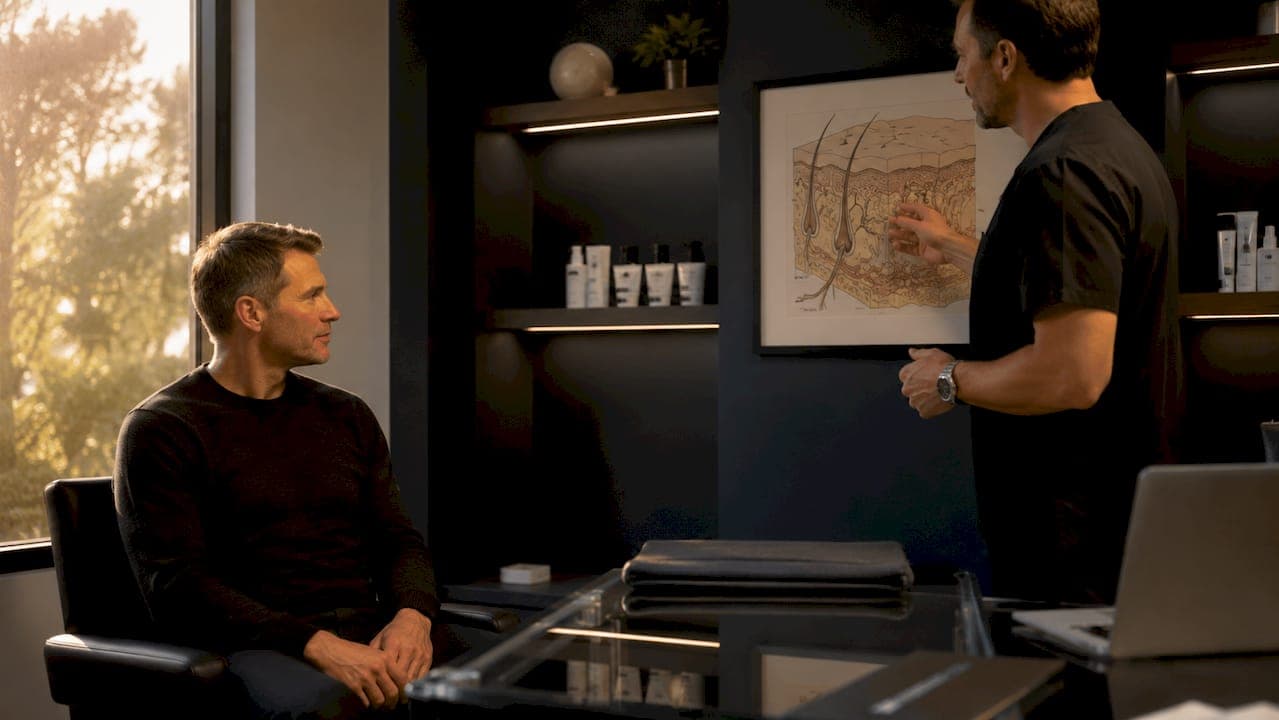
Rosacea treatment for men is defined as a phenotype-based, symptom-control programme combining prescription topicals, oral anti-inflammatories, and barrier-focused skincare to manage a chronic inflammatory skin condition. Rosacea affects 5–10% of the global population, and men bear a disproportionate share of its most severe forms. Understanding what rosacea treatment for men involves is the first step toward stopping the condition from progressing to permanent skin changes. Professional guidance and daily consistency are not optional extras. They are the foundation of every effective management plan.
What are the common rosacea symptoms and phenotypes in men?
Rosacea presents differently depending on the subtype, and identifying your phenotype determines which treatments will work. The National Rosacea Society classifies rosacea by its dominant features rather than rigid subtypes, a model known as phenotype-based treatment. This matters because a man with persistent redness needs a different approach from one with papules and pustules.
The three phenotypes most relevant to men are:
- Erythematotelangiectatic rosacea: Persistent central facial redness, flushing, and visible blood vessels. Skin often feels sensitive and reactive to temperature changes.
- Papulopustular rosacea: Red bumps and pus-filled spots that resemble acne. Men frequently mistake this for adult acne or razor burn, which delays treatment.
- Phymatous rosacea (rhinophyma): Thickened, irregular skin texture, most commonly on the nose. Men develop phymatous changes far more often than women, and this subtype can cause significant disfigurement if left untreated.
Identifying which phenotype or combination of phenotypes applies to you is not guesswork. A dermatologist or specialist skin clinic maps your symptoms and builds a treatment plan around them. Men who self-diagnose and reach for generic skincare products often miss this step entirely, and their condition worsens as a result.
What medical treatments are effective for rosacea in men?
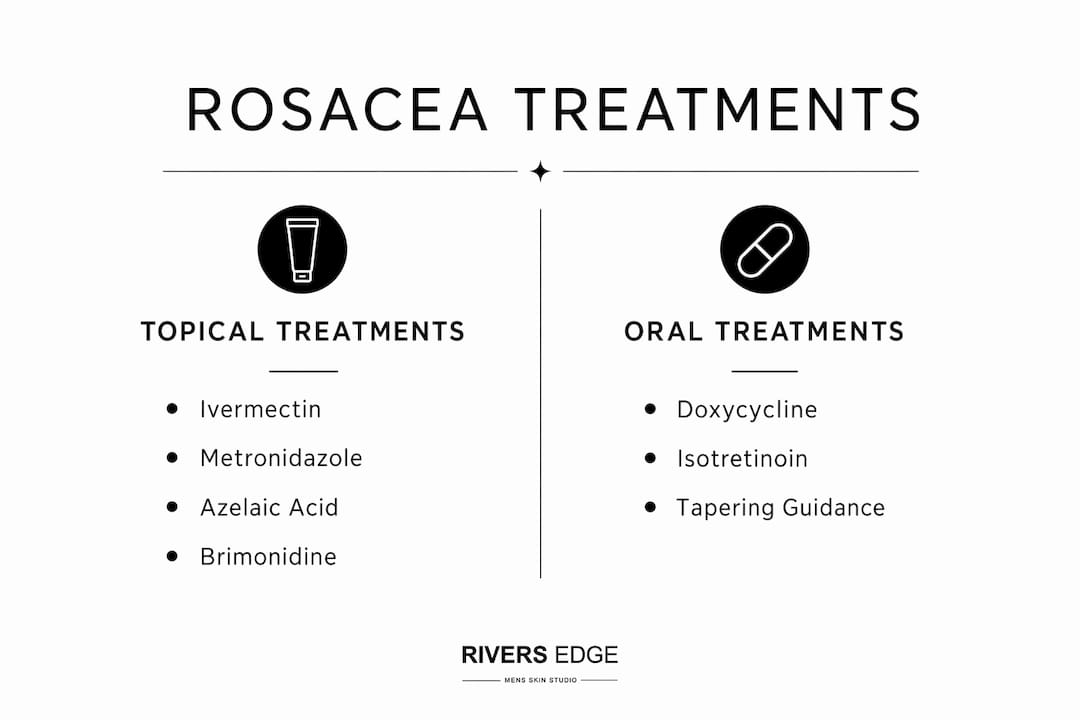
Evidence-based rosacea treatment options for men fall into two categories: topical agents applied directly to the skin, and oral medications that work systemically.
Topical treatments
Topical ivermectin 1% cream, metronidazole, and azelaic acid are the three first-line options for mild to moderate rosacea. Each targets a different mechanism. Ivermectin reduces the Demodex mite population linked to rosacea inflammation and outperforms metronidazole in lesion reduction in clinical trials. Metronidazole is a well-tolerated option for men new to prescription skincare. Azelaic acid addresses both redness and papules, making it useful for mixed-phenotype presentations.
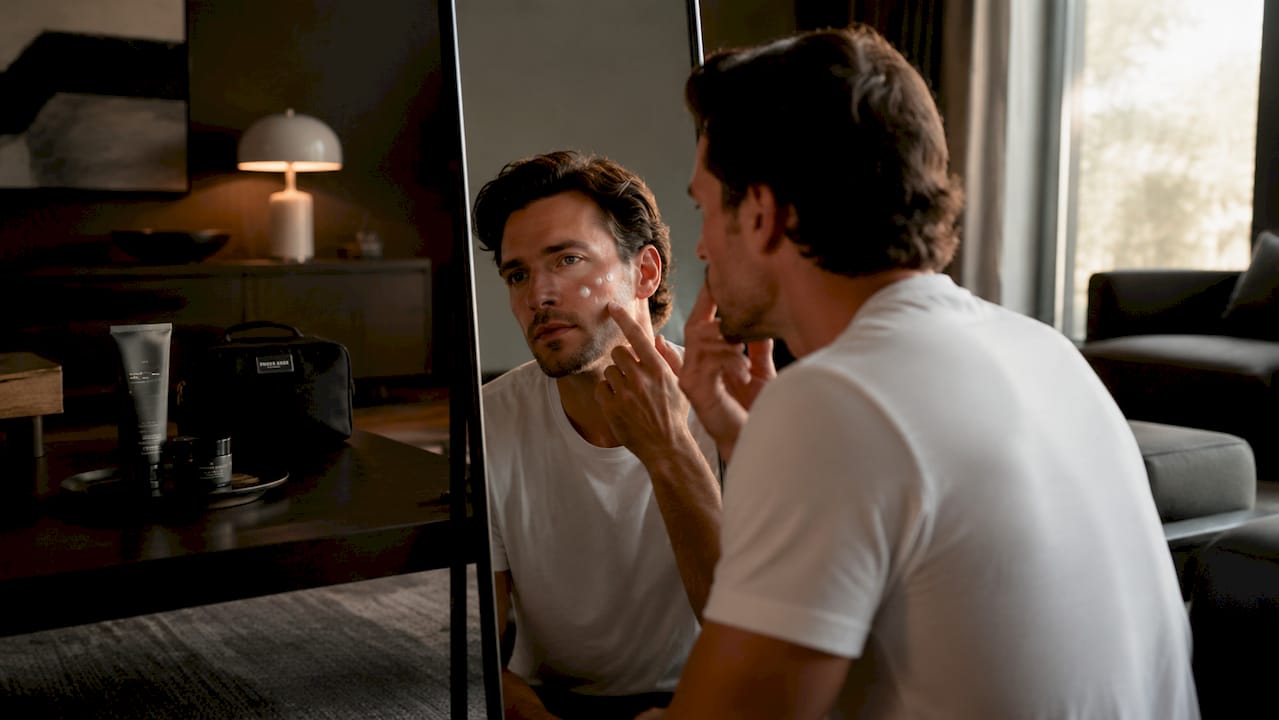
Brimonidine gel works differently. It is a vasoconstrictor that temporarily reduces visible redness within 30 minutes of application. The effect lasts several hours, which makes it practical before social or professional situations. It does not treat the underlying condition, so it works best alongside a longer-term topical agent.
Oral treatments
Low-dose doxycycline at 40 mg modified-release is the oral treatment of choice for moderate to severe papulopustular rosacea. At this dose, it acts as an anti-inflammatory rather than an antibiotic, which reduces the risk of antibiotic resistance. Response is gradual. Most men see meaningful improvement after 8–12 weeks of consistent use.
Pro Tip: Never stop oral doxycycline abruptly once symptoms improve. Tapering under dermatologist supervision prevents rapid relapse and protects the progress you have made.
The table below summarises the main prescription options and their primary uses.
| Treatment | Type | Primary use |
|---|---|---|
| Ivermectin 1% cream | Topical | Papules, pustules, Demodex reduction |
| Metronidazole 0.75–1% | Topical | Redness, papules, maintenance |
| Azelaic acid 15–20% | Topical | Mixed redness and lesions |
| Brimonidine gel 0.33% | Topical | Temporary redness relief |
| Doxycycline 40 mg MR | Oral | Moderate to severe papulopustular rosacea |
Over-the-counter products rarely achieve the same results as prescription agents for established rosacea. A dermatologist consultation gives you access to the full range of options and a plan built around your specific phenotype.
How should men adapt their skincare routines for rosacea?
Minimalist skincare focusing on barrier repair outperforms complex regimens in rosacea-prone male skin. The goal is to reduce inflammation, protect the skin barrier, and avoid ingredients that trigger flares. Most men's grooming products fail this test immediately.
A practical daily routine for men's skincare for rosacea follows four steps:
- Cleanse with a fragrance-free, pH-balanced product. A pH-balanced cleanser at 5.0–5.5 supports the skin's acid mantle without stripping it. Avoid foaming cleansers with sulphates, which disrupt the barrier and trigger redness.
- Apply your prescribed topical treatment. Use it consistently, not just during flares. Consistency is what separates men who control their rosacea from those who manage it reactively.
- Use a barrier-repair moisturiser with niacinamide. Niacinamide at 2–5% concentration repairs the skin barrier and reduces inflammation. Concentrations above 5% risk irritation in rosacea-prone skin, so check the label. Centella asiatica is a second ingredient with strong clinical evidence for barrier support and wound healing.
- Apply a mineral SPF 30 or higher every morning. Sun exposure is one of the most reliable rosacea triggers. Mineral sunscreens containing zinc oxide or titanium dioxide sit on the skin rather than absorbing into it, which makes them far less irritating than chemical alternatives.
Pro Tip: Shave with the grain, not against it. Fewer razor blades and electric razors reduce skin trauma significantly. Alcohol-based aftershaves and shaving foams with fragrance are the two most common products that worsen rosacea in men who do not realise the connection.
Avoid the temptation to add actives like retinol, glycolic acid, or vitamin C to a rosacea routine without specialist guidance. These ingredients can destabilise a skin barrier that is already compromised. Build a men's skincare routine around the four steps above before adding anything else.
What lifestyle changes help reduce rosacea flare-ups in men?
Lifestyle modifications are not a replacement for medical treatment. They are a necessary layer on top of it. Trigger avoidance reduces the frequency and severity of flares, which means your topical treatments have a better environment in which to work.
The most common rosacea triggers in men include:
- Spicy foods and alcohol: Both cause vasodilation, which worsens flushing and redness. Red wine and spirits are particularly problematic.
- Heat and sun exposure: UV radiation is a primary trigger. Direct sun exposure without SPF protection accelerates rosacea progression.
- Exercise-induced overheating: Physical exertion raises core body temperature and causes flushing. Cooling techniques during exercise, such as using ice-filled bottles and training in air-conditioned spaces, reduce this effect significantly.
- Stress and poor sleep: Both increase systemic inflammation, which directly worsens rosacea symptoms.
- Harsh skincare and grooming products: Alcohol-based toners, heavily fragranced products, and abrasive scrubs all aggravate the condition.
Men who exercise regularly and experience consistent post-workout flushing should speak to a dermatologist about vasoconstrictors before exercise. Applying a vasoconstrictor such as oxymetazoline before physical exertion can reduce exercise-induced flares. This is a practical, underused strategy that most general skincare advice overlooks.
Early treatment and trigger avoidance prevent rosacea from progressing to phymatous changes. Once thickening begins, it requires far more invasive intervention to correct.
What advanced treatments are available for severe rosacea in men?
Rhinophyma is the most severe manifestation of phymatous rosacea. It causes the nose to enlarge, redden, and develop an irregular, bulbous texture due to excess sebaceous tissue. Rhinophyma is treated with laser therapy, electrosurgery, dermabrasion, or plastic surgery to remove the thickened tissue and reshape the nose. None of these procedures cures rosacea. They correct the disfigurement caused by years of uncontrolled inflammation.
| Procedure | Method | Best suited for |
|---|---|---|
| CO2 laser resurfacing | Ablative laser removes excess tissue | Moderate to severe rhinophyma |
| Electrosurgery | Electrical current reshapes tissue | Localised thickening |
| Dermabrasion | Mechanical abrasion smooths surface | Mild to moderate texture changes |
| Surgical excision | Scalpel removes excess skin | Severe, advanced rhinophyma |
The critical point is that these procedures are avoidable for most men. Early intervention with topical and oral treatments prevents the inflammatory cascade that leads to tissue thickening. Men who seek specialist care at the first signs of persistent redness or skin texture changes rarely progress to rhinophyma. Those who wait, or who self-manage with inadequate products, are the ones who eventually require surgery. For men already experiencing visible skin thickening, a consultation with a specialist clinic that offers local treatments for men's skin is the right next step.
Key takeaways
Rosacea treatment for men requires phenotype-specific medical therapy, a barrier-focused skincare routine, and consistent trigger avoidance to control symptoms and prevent permanent skin changes.
| Point | Details |
|---|---|
| Phenotype-based treatment | Identify your rosacea subtype first; treatment selection depends entirely on your dominant symptoms. |
| First-line topicals | Ivermectin, metronidazole, and azelaic acid are the evidence-based starting points for most men. |
| Barrier-repair skincare | Use a pH-balanced cleanser, niacinamide at 2–5%, and a mineral SPF daily without exception. |
| Trigger avoidance | Alcohol, spicy food, UV exposure, and heat are the four most common flare triggers in men. |
| Early intervention | Starting treatment before phymatous changes develop prevents the need for laser or surgical procedures. |
What I have learned treating men with rosacea
Men come to us having lived with rosacea for years, often convinced it is just sensitive skin or a reaction to their razor. That delay is the most damaging part of the condition. By the time they seek professional advice, the skin barrier is compromised, the redness is entrenched, and in some cases, early phymatous changes are already visible.
The thing that surprises most men is how quickly a consistent, simple routine changes the picture. Not a complex ten-step programme. A cleanser, a prescribed topical, niacinamide, and SPF. Applied every day without skipping. That is what moves the needle. The men who see the best results are not the ones using the most products. They are the ones who stop using the wrong ones and commit to the right four.
Shaving advice is where I see the biggest gap between what men are told and what actually helps. Most articles say "use a gentle razor." What they do not say is that electric razors are genuinely superior for rosacea-prone skin, that shaving against the grain is a direct trigger, and that the alcohol in most post-shave balms undoes everything else you are doing. Change those three things and you will notice a difference within two weeks.
The psychological side of rosacea in men is real and underacknowledged. Persistent facial redness affects confidence in professional and social settings. Getting it under control is not vanity. It is quality of life. If you have been managing this alone, you do not need to.
— David
Rosacea care for men at Riversedgeskinstudio
Riversedgeskinstudio offers personalised rosacea assessment and treatment plans built specifically for men's skin. The clinic's skin therapists understand the unique challenges male skin presents, from shaving-related irritation to phymatous changes, and they work with you to design a programme that fits your skin, your routine, and your goals.
Whether you are dealing with persistent redness, papules, or early signs of skin thickening, the team at Riversedgeskinstudio provides access to prescription-grade guidance and advanced in-clinic therapies. You can review the full range of men's skin treatments and book a consultation directly through the website. Getting a professional assessment is the most efficient way to stop rosacea from progressing and start seeing real results.
FAQ
What is rosacea treatment for men?
Rosacea treatment for men is a phenotype-based approach combining prescription topicals such as ivermectin or metronidazole, oral low-dose doxycycline where needed, and a barrier-focused skincare routine to control symptoms and prevent progression.
Can rosacea in men be cured?
Rosacea has no cure. Treatment controls symptoms, reduces flare frequency, and prevents permanent skin changes such as rhinophyma, but requires ongoing management rather than a finite course of treatment.
How long does rosacea treatment take to work?
Topical treatments typically show improvement within 8–12 weeks of consistent daily use. Oral doxycycline follows a similar timeline. Results depend on adherence and trigger avoidance alongside medication.
Is shaving safe for men with rosacea?
Shaving is safe when done correctly. Using an electric razor or a single-blade razor, shaving with the grain, and avoiding alcohol-based aftershaves significantly reduces irritation and rosacea flares.
When should a man with rosacea see a specialist?
See a specialist at the first sign of persistent redness, recurring bumps, or any skin thickening on the nose or cheeks. Early professional intervention prevents progression to phymatous rosacea, which requires surgical correction.