
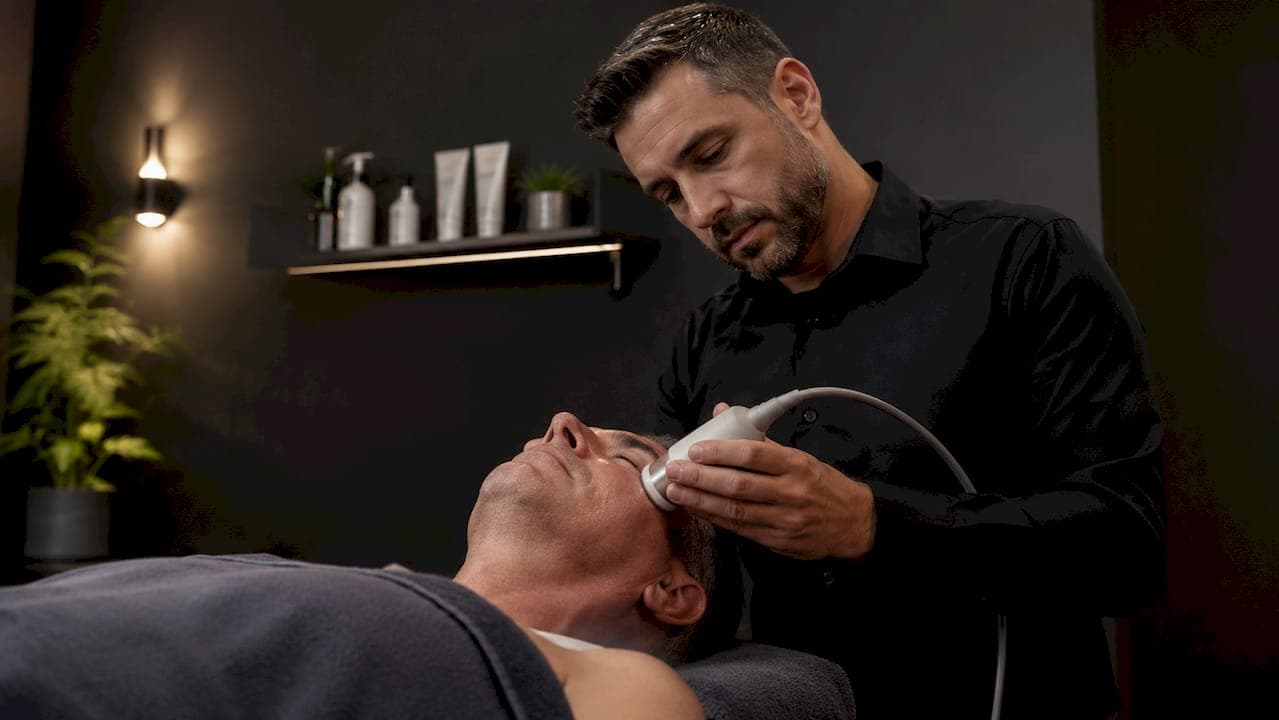
Ultrasound skin therapy is a non-invasive cosmetic procedure that uses focused ultrasound energy to stimulate collagen production deep within the skin. The industry standard term for the most clinically studied form is microfocused ultrasound with visualisation, or MFU-V. Results typically appear within 2–3 months and last up to one year with good skincare maintenance. For men aged 25–50 looking at anti-ageing options without surgery or significant recovery time, understanding what ultrasound skin therapy delivers, and what it does not, is the most useful starting point.
What is ultrasound skin therapy and how does it work beneath the skin?
MFU-V works by delivering focused thermal energy to specific depths within the skin: 1.5 mm, 3.0 mm, and 4.5 mm below the surface. Each depth targets a different tissue layer, from the superficial dermis down to the SMAS, the same fibromuscular layer that surgeons address during a facelift. The energy creates small thermal coagulation points at temperatures of 60°C–70°C at precise skin layers. Those controlled micro-injuries trigger the body's natural repair response.
That repair response is called neocollagenesis. The skin produces new collagen and remodels existing elastin fibres over the weeks that follow treatment. Neocollagenesis develops over 2–3 months, which is why results are gradual rather than immediate. This is a fundamentally different mechanism from injectables or laser resurfacing, and it is worth understanding before you book.
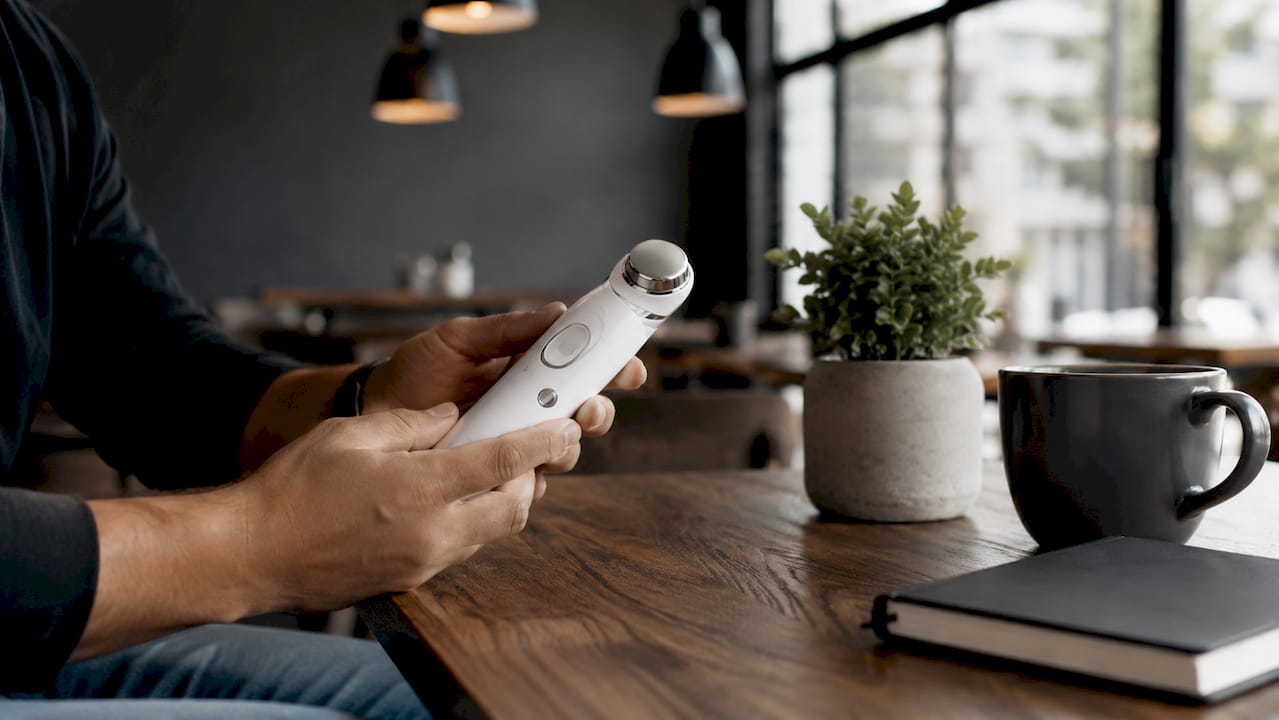
Real-time imaging is one of MFU-V's most important features. Real-time ultrasound imaging allows the operator to visualise tissue layers and avoid bone, arteries, and nerves during energy delivery. That level of precision is not available with many other energy-based devices. A typical session runs between 30 and 90 minutes depending on the treatment area.
Key steps in a standard MFU-V session:
- Consultation and skin assessment to map treatment zones and confirm suitability
- Cleansing and application of ultrasound gel to the target area
- Real-time imaging pass to identify tissue depth and avoid sensitive structures
- Energy delivery in a grid pattern across the treatment zone
- Post-treatment review and aftercare instructions
Pro Tip: Ask your practitioner to show you the real-time imaging screen during treatment. Seeing the tissue layers confirms the device is calibrated correctly for your skin depth, not just a standard setting.
What are the benefits and expected results of ultrasound skin therapy?
MFU-V targets four measurable dimensions of skin quality: firmness, surface evenness, tone evenness, and glow. Clinical outcomes are strongest for firmness and texture, making it particularly well suited to men who notice skin laxity around the jaw, neck, or brow. The treatment does not resurface the skin or address pigmentation directly, so managing expectations around those outcomes matters.
The clinical evidence is substantial. A 2025 meta-analysis of 411 participants found that 89% showed global aesthetic improvement after MFU-V treatment as assessed by investigators. Patient-reported improvement in the same analysis reached 84% across 312 participants. Those are meaningful figures in a field where placebo effects and subjective assessments can skew results.
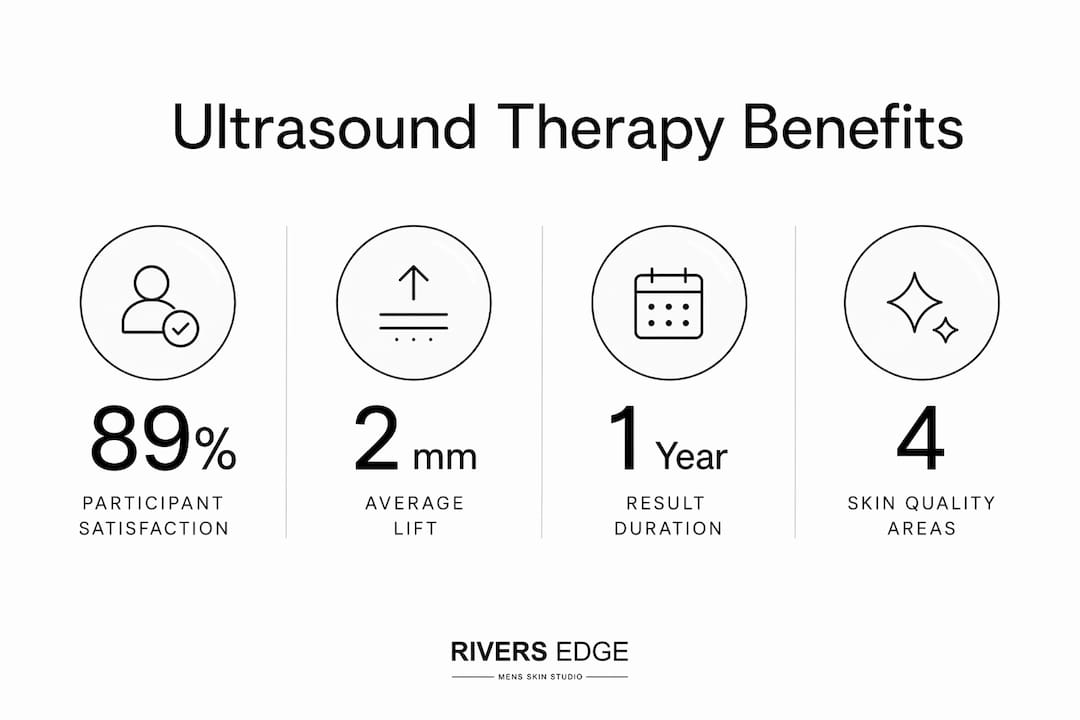
Measurable lift is one of the more concrete outcomes documented. Clinical data shows a mean eyebrow lift of around 2 mm at four weeks post-treatment, persisting to 16 weeks. Two millimetres sounds modest, but in facial aesthetics it produces a visible, natural-looking result without the frozen appearance that some injectable treatments create.
| Outcome | Typical onset | Duration |
|---|---|---|
| Skin firmness improvement | 2–3 months | Up to 1 year |
| Eyebrow lift (approx. 2 mm) | 4 weeks | Persists to 16+ weeks |
| Texture and tone evenness | 2–3 months | Up to 1 year |
| Overall aesthetic improvement | 2–3 months | Up to 1 year |
Patients with realistic expectations about these specific improvements, rather than expecting surgical-level results, consistently report higher satisfaction. The narrative review covering 67 studies on MFU-V clinical outcomes confirms that expectation alignment is one of the strongest predictors of patient satisfaction.
What are the advantages and limitations compared to other skin rejuvenation options?
The primary advantage of ultrasound therapy for skin rejuvenation is the absence of downtime. You can have a session at lunchtime and return to work the same afternoon. Surgical facelifts require general anaesthesia, weeks of recovery, and carry significantly higher procedural risk. MFU-V sits in a different category entirely: it is a maintenance and prevention tool as much as a correction one.
The most common side effects are temporary erythema (redness) and mild swelling, both of which typically resolve within hours to a day. MFU-V is non-invasive and requires no downtime, which makes it accessible for men who cannot take extended time away from work or social commitments. The safety profile is well established across a large body of clinical literature.
Limitations are equally worth knowing:
- MFU-V is primarily a collagen stimulation tool, not a fat reduction treatment. Men expecting significant contouring of the jawline or neck through fat reduction alone will be disappointed.
- Results are gradual. If you need a visible change within two weeks, this is not the right treatment.
- Operator skill and device quality directly affect outcomes. The American Institute of Ultrasound in Medicine states that cosmetic ultrasound success depends greatly on operator training and device type.
- A single session may not be sufficient for men with significant skin laxity. Maintenance treatments are often recommended annually.
Combining ultrasound therapy with fillers or neuromodulators often produces better outcomes than ultrasound alone. For men exploring facial rejuvenation options, understanding how treatments complement each other is as important as understanding each one individually.
What should you expect during and after an ultrasound skin therapy session?
Pain is the most common concern men raise before their first session. The meta-analysis of 785 patients recorded a mean pain score of 4.85 out of 10, described as deep pulsing heat or tingling. That places it firmly in the moderate range. Most people find it manageable without anaesthesia, though topical numbing cream is available at most reputable clinics.
What to expect step by step:
- Pre-treatment consultation: Your practitioner reviews your skin, medical history, and treatment goals. This is where realistic outcomes are established.
- Skin preparation: The area is cleansed and ultrasound gel applied. No shaving or special preparation is typically required for facial treatments.
- Imaging and calibration: The operator uses real-time imaging to confirm tissue depth before delivering energy.
- Treatment delivery: You will feel intermittent pulses of heat. Sessions run 30–90 minutes depending on the area covered.
- Immediate aftercare: Redness and mild swelling are normal. Avoid intense heat (saunas, steam rooms) for 24–48 hours.
- Follow-up: Most clinics recommend a review at 8–12 weeks when collagen remodelling is underway.
Post-treatment care is straightforward. Use SPF daily, keep skin hydrated, and avoid aggressive exfoliation for the first week. For guidance on layering treatments safely after MFU-V, speaking to your practitioner before combining it with microneedling or chemical peels is the right approach.
Choosing a qualified practitioner is non-negotiable. The American Institute of Ultrasound in Medicine is explicit: licensed practitioners with proper training maximise both safety and efficacy. Proper patient education about what to expect during the session also contributes directly to better procedural tolerance and satisfaction.
Pro Tip: Book a consultation at least one week before your treatment date. Use that time to ask about the specific device being used, the operator's training, and how many MFU-V sessions they perform monthly. Volume and experience matter more than marketing.
Key takeaways
Ultrasound skin therapy works by triggering neocollagenesis at specific skin depths, producing gradual, measurable improvements in firmness, texture, and lift that last up to one year.
| Point | Details |
|---|---|
| Core mechanism | MFU-V creates thermal coagulation points that stimulate new collagen over 2–3 months. |
| Clinical effectiveness | 89% of patients showed global aesthetic improvement in a 2025 meta-analysis. |
| Realistic results | Expect firmness and texture gains, not fat reduction or surgical-level lift. |
| Safety profile | No downtime, temporary redness, and moderate pain averaging 4.85 out of 10. |
| Operator matters | Device type and practitioner training directly determine safety and outcome quality. |
My honest view on ultrasound therapy after seeing it in practice
The men who get the most from MFU-V are the ones who come in with a specific concern, not a vague desire to "look younger." Jaw laxity, brow heaviness, neck skin loosening: these are the areas where the treatment genuinely delivers. Men who expect a dramatic transformation in a single session, or who want immediate results, tend to leave underwhelmed regardless of how well the procedure goes.
What I find underappreciated is the cumulative value. One session a year, combined with a decent skincare routine and SPF, produces compounding results over time. The men I see who maintain this approach look noticeably better at 45 than they did at 38. That is not marketing. That is what consistent collagen stimulation does to ageing skin.
The combination angle is also worth taking seriously. MFU-V paired with a neuromodulator for the upper face, or a filler for volume loss in the mid-face, produces results that neither treatment achieves alone. If a clinic only ever recommends one treatment, that is a signal worth noticing.
Finally, choose your clinic based on operator experience, not price. A discounted session with an undertrained operator is not a bargain. The men's skin clinic best practices that separate good outcomes from poor ones come down to training, device quality, and honest pre-treatment consultation. Those things cost what they cost.
— David
Ultrasound skin therapy at Riversedgeskinstudio
Riversedgeskinstudio offers men's skin treatments designed around results rather than routine. The clinic specialises in aesthetic procedures for men, including skin rejuvenation treatments delivered by experienced practitioners who understand male skin physiology and the specific concerns men bring through the door.

Every treatment at Riversedgeskinstudio begins with a personalised consultation. That means your skin is assessed properly before any energy is delivered, and your treatment plan reflects your actual goals rather than a standard protocol. If you are considering ultrasound therapy for skin rejuvenation, or want to understand how it fits alongside other treatments you are already having, Riversedgeskinstudio is the place to start that conversation.
FAQ
What is ultrasound skin therapy used for?
Ultrasound skin therapy is used to tighten skin, reduce laxity, and improve firmness, texture, and tone. It is most effective on the face, jaw, neck, and brow area.
How long do ultrasound skin therapy results last?
Results typically last up to one year with good skincare maintenance. Visible improvements begin at 2–3 months as neocollagenesis progresses.
Is ultrasound therapy safe for skin?
MFU-V has a well-established safety profile. The most common side effects are temporary redness and mild swelling. The American Institute of Ultrasound in Medicine confirms safety is maximised when licensed, trained practitioners perform the procedure.
How many sessions of ultrasound skin therapy do you need?
Most people see meaningful results from a single annual session. Men with more significant skin laxity may benefit from a follow-up session after 6–12 months, based on practitioner assessment.
Does ultrasound skin therapy hurt?
The mean pain score across a meta-analysis of 785 patients was 4.85 out of 10, described as deep pulsing heat or tingling. Topical numbing cream is available at most clinics and reduces discomfort significantly.