
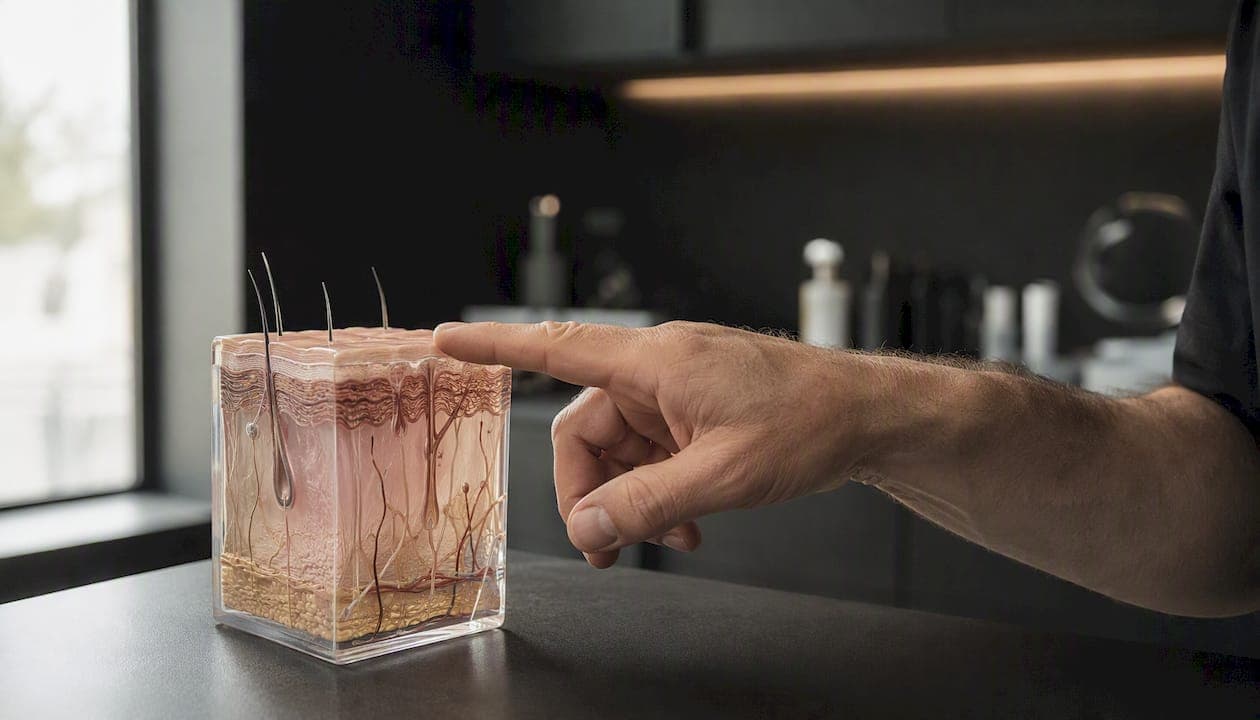
For most men, a superficial or medium-depth peel is the right starting point. These treat texture, pigmentation, active acne, and mild scarring with manageable downtime and a low risk profile. Deep peels, by contrast, are powerful tools reserved for severe photoageing, significant acne scarring, or extensive actinic damage, and they require medical supervision in a clinical setting, as both the Mayo Clinic and StatPearls make clear.
Here is the practical shaving picture at a glance:
- Superficial peel: You can usually shave again within 24–48 hours, once any redness settles.
- Medium peel: Expect to wait several days to a week before picking up a razor.
- Deep peel: Shaving is off the table until full re-epithelialisation is confirmed by your clinician, often two weeks or more post-procedure.
At Riversedgeskinstudio, the starting point for most male clients is a personalised consultation to match peel depth to skin concern, Fitzpatrick type, and grooming routine before any treatment is planned.
Key takeaways
Superficial and medium peels suit most men, with deep peels reserved for severe cases under medical supervision and significantly longer recovery.
| Point | Details |
|---|---|
| Superficial peels for most men | Treat texture, pigmentation, and acne with minimal downtime; repeatable every 2–5 weeks. |
| Deep peels need medical oversight | Phenol-based deep peels require a medically qualified practitioner, anaesthesia, and extended aftercare. |
| Shaving timelines vary by depth | Superficial: 24–48 hours; medium: several days to one week; deep: 2+ weeks or clinician clearance. |
| Male skin needs tailored protocols | Thicker skin and higher sebum often require degreasing, higher concentrations, or more sessions. |
| Riversedgeskinstudio | Offers bespoke men's peel plans in Merseyside, starting with a full skin analysis and consultation. |
Table of Contents
- What do superficial, medium, and deep peels actually mean?
- What can each peel depth realistically treat?
- What are the risks and who should avoid each depth?
- How long does recovery take, and when can you shave again?
- How does male skin change the approach to peels?
- How many sessions do you need, and what does it cost in the UK?
- How do you decide which peel depth is right for you?
- Pre-treatment and aftercare checklist for men
- Who should perform each peel in the UK?
- How Riversedgeskinstudio treats male skin
- What I have learnt treating men's skin
- Riversedgeskinstudio: men's peels, done properly
- Sources
What do superficial, medium, and deep peels actually mean?
The term "depth" refers to how far a chemical agent penetrates the skin's layers. Understanding those layers makes the differences between men's skin peel types immediately clear.
The epidermis is the outermost layer. Superficial peels work here, removing dead cells and stimulating mild renewal without touching the dermis. The papillary dermis sits just beneath and contains fine collagen fibres; medium peels reach this zone and the upper reticular dermis. Deep peels extend into the mid-reticular dermis, where denser collagen networks live, producing more dramatic remodelling but proportionally greater risk.
| Peel depth | Skin layer reached | Common agents | Typical repeat frequency |
|---|---|---|---|
| Superficial | Epidermis | AHAs (glycolic, lactic), BHAs (salicylic), low-strength TCA | Repeatable in a few weeks |
| Medium | Papillary to upper reticular dermis | TCA 50%, Jessner's + TCA, glycolic + TCA | Repeatable every few months |
| Deep | Mid-reticular dermis | Phenol/croton oil, high-strength TCA | Usually a one-time intensive procedure |
According to the Mayo Clinic, superficial peels can be repeated every 2–5 weeks, while deep peels are generally a one-time intensive procedure. The concentration of the agent, its pH, and the application technique all influence how deep penetration goes, which is why the same chemical at different strengths can produce very different outcomes.
Pro Tip: Pretreatment with a retinoid or degreasing protocol for 4–6 weeks before a peel normalises epidermal thickness and sebum levels, producing more even penetration. For men, whose skin tends to be thicker and oilier, this step is particularly important and should not be skipped.
What can each peel depth realistically treat?
Matching your concern to the right depth is where most men go wrong. Choosing too shallow a peel for a deep scar achieves little; choosing too aggressive a peel for mild pigmentation creates unnecessary risk.
Superficial peels
- Rough texture and dullness
- Mild pigmentation and uneven skin tone
- Active acne control, particularly with salicylic acid (BHA), which clears follicular debris
- Reduction of razor burn and ingrown hairs, a specific benefit for men who shave regularly
Medium peels
- Moderate pigmentation and melasma
- Shallow acne scars and post-acne marks
- Fine-to-moderate wrinkles
- Actinic keratoses in some clinical protocols
- More visible textural correction than a superficial series alone
Deep peels
- Severe photoageing and deep wrinkles
- Significant acne scarring
- Extensive actinic damage and pre-cancerous lesions
- One comprehensive correction rather than a gradual series
Clinical note: StatPearls confirms that deeper peels produce more significant therapeutic effects but carry proportionally higher risks and require stricter aftercare protocols. For men with moderate concerns, a series of medium peels often delivers comparable long-term improvement to a single deep peel, with a considerably safer profile.
What are the risks and who should avoid each depth?
Risk scales directly with depth. Knowing the specific complications at each level helps you weigh the trade-off honestly.
Risks by depth
- Superficial: Temporary redness, mild flaking, and occasional sensitivity lasting 1–3 days. Serious complications are rare.
- Medium: Prolonged erythema (up to several weeks), significant peeling, and a meaningful risk of post-inflammatory hyperpigmentation (PIH), particularly in Fitzpatrick types IV–VI.
- Deep: Scarring, bacterial or viral infection, prolonged downtime, and, with phenol-based formulas, potential cardiac and renal considerations requiring monitoring during the procedure.
Post-inflammatory hyperpigmentation is the complication most likely to affect men with darker skin tones or significant sun exposure. Pretreatment conditioning and aggressive photoprotection are often required before and after a peel in these cases, according to clinical guidance on peels in men.
Common contraindications
- Active skin infection or open wounds in the treatment area
- Recent or current isotretinoin use (most clinicians advise waiting at least 6–12 months after stopping)
- Recent sunburn or significant UV exposure
- History of keloid scarring (particularly relevant for medium and deep peels)
- Certain medications that increase photosensitivity
- Pregnancy
Safety warning: Deep peels must be performed in a medically supervised setting by a qualified medical practitioner. They are not appropriate for cosmetic-only salons or unsupervised aesthetic environments. If a provider cannot clearly explain their medical credentials, their anaesthesia plan, and their post-procedure follow-up protocol, do not proceed. Book a consultation with a registered clinician first.
How long does recovery take, and when can you shave again?
Downtime is one of the most practical concerns for men, and it varies considerably between peel depths. Pain scales with depth too: superficial peels cause mild tingling, medium peels produce more intense burning and peeling for several days, and deep peels require analgesia and close clinical follow-up throughout recovery.
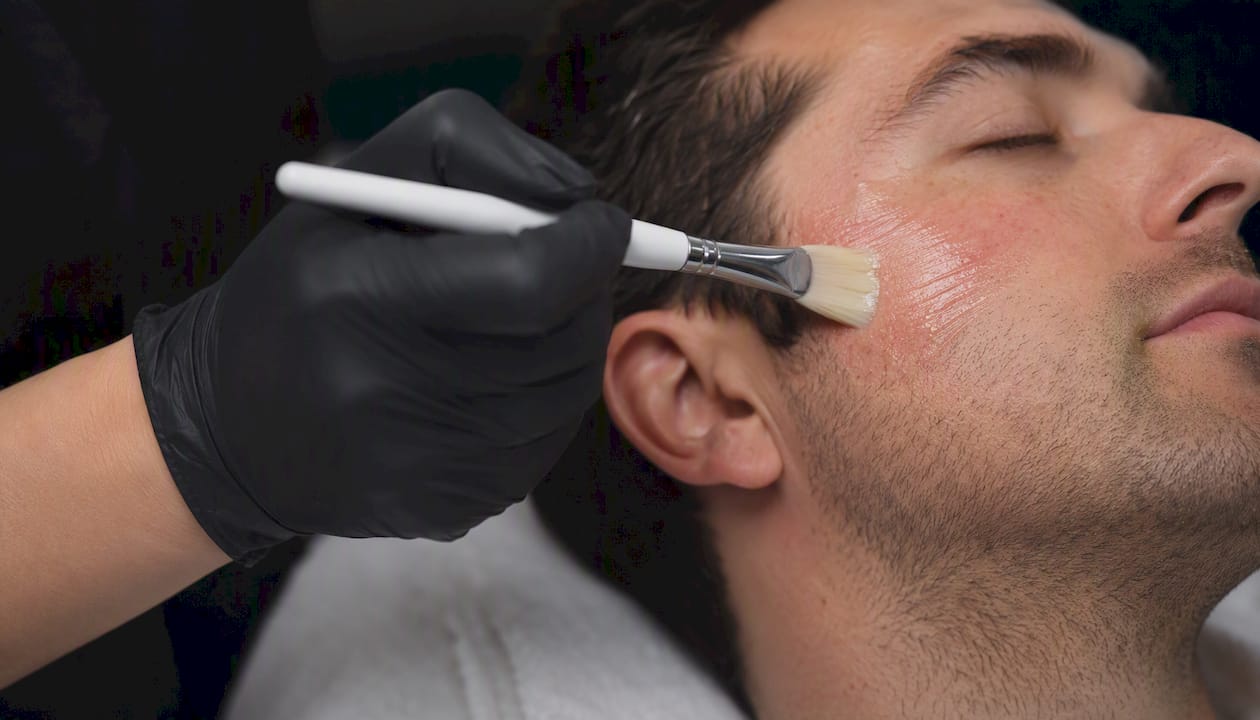
For deep phenol peels, the Cleveland Clinic notes that aftercare typically includes bandaging, regular soaking, antiviral prophylaxis for 10–14 days, and an extended period of strict sun avoidance.
Pro Tip: Schedule peels around quieter periods at work or before a holiday, not after one. Sun exposure immediately post-peel dramatically increases PIH risk. A Friday appointment for a superficial peel means you are largely presentable by Monday; a medium peel warrants at least a week's buffer.
For medium peels, recovery typically spans several days to about a week, with spacing of several months between sessions. Emollient application, cooling, and, for deep peels, vinegar soaks to reduce infection risk are all part of the standard aftercare protocol recommended in StatPearls.
How does male skin change the approach to peels?
Male skin is not simply thicker female skin. The biological differences are specific, and they change both the protocol and the expected outcome in ways that matter clinically.
According to research on peels in men, men's skin shows greater dermal and epidermal thickness alongside higher sebaceous gland density. This means a peel agent that achieves the intended depth in female skin may penetrate less evenly in male skin, requiring higher concentrations, additional degreasing steps, or more sessions to reach the same result.
- Thicker epidermis and dermis: Agents may need to be applied with more passes or at higher concentrations to achieve equivalent penetration.
- Higher sebum production: Oily skin can act as a barrier; thorough degreasing with acetone or alcohol before application is standard practice.
- Beard hair and follicular density: The beard area presents unique challenges. Follicular openings can trap chemical agents unevenly, and shaving immediately before a peel is generally discouraged.
- Daily shaving: Freshly shaved skin is more sensitive and more permeable. Most clinicians advise shaving at least 24 hours before a superficial peel and longer before deeper treatments.
- Occupational sun exposure: Men in outdoor roles face a higher baseline UV load, increasing PIH risk post-peel and making rigorous SPF use non-negotiable.
Chemical peels also offer a specific benefit for men who shave regularly: by exfoliating follicular debris, they can reduce razor burn and prevent ingrown hairs, making them a genuinely functional treatment rather than purely cosmetic.
For oily male skin, BHA (salicylic acid) and Jessner-style superficial peels are often the first-line choice because they penetrate the follicle and address sebum-related congestion directly. For men with moderate scarring or pigmentation, a serial superficial-to-medium series is frequently more practical than a single deep procedure, given the scheduling demands of work and grooming.
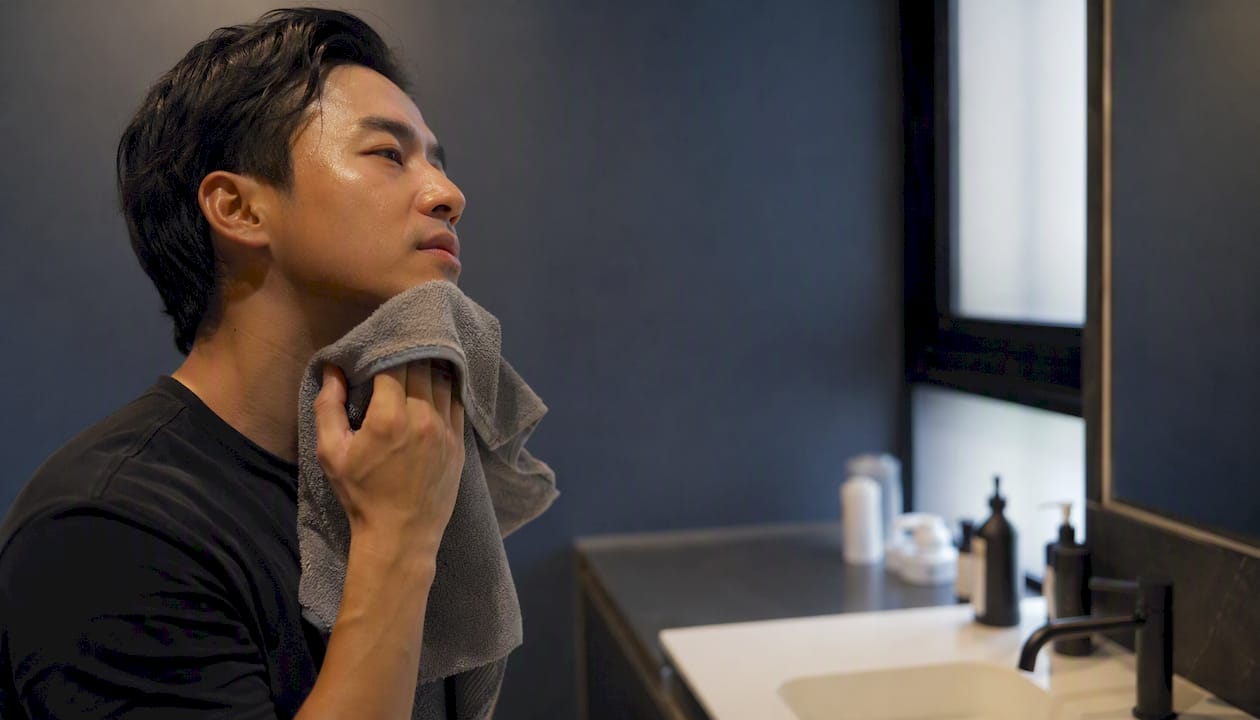
Pro Tip: If you have a beard, discuss with your clinician whether the beard area will be treated or avoided. Peeling through dense beard follicles carries a higher risk of uneven penetration and prolonged redness. Many clinicians treat the non-bearded zones first and reassess.
How many sessions do you need, and what does it cost in the UK?
Setting realistic expectations on both timeline and budget prevents disappointment. Results from peels are cumulative for superficial treatments and more immediate (but with longer recovery) for deeper ones.
- Superficial peels: A series of 4–6 sessions, spaced every 2–5 weeks, typically delivers visible improvement in texture and brightness. Maintenance sessions every 6–8 weeks can sustain results long-term.
- Medium peels: Usually 1–3 sessions, spaced 3–6 months apart, depending on the concern. Visible improvement in pigmentation and shallow scarring can last months to years, particularly with consistent sun protection.
- Deep peels: Typically one facial treatment. Correction of deep wrinkles or severe scarring can be durable, though natural ageing continues.
Cosmetic peels are provided exclusively through private clinics in the UK; they are not available on the NHS for aesthetic indications. Cost varies significantly by clinic, region, and clinician experience.
Budget beyond the session fee for preconditioning products (retinoids, SPF), antiviral medication where indicated for deep peels, and any specialist dressings. These are not optional extras; they are part of the clinical protocol. For a fuller breakdown of professional peel options for men, the comparison between serial superficial and single deep approaches is worth reading before booking.
How do you decide which peel depth is right for you?
A structured approach to this decision saves time and reduces the risk of choosing the wrong treatment. Work through these questions before your consultation.
Decision checklist
- What is your primary concern? Texture and glow respond well to superficial peels. Moderate pigmentation and shallow scars suit medium peels. Severe photoageing or deep scarring may warrant a deep peel.
- What is your Fitzpatrick skin type? Darker skin types (IV–VI) carry a higher PIH risk with medium and deep peels; superficial peels are generally safer across all types.
- How much downtime can you realistically take? If you cannot take a week away from client-facing work, a deep or medium peel is poorly timed.
- Do you shave daily? Shaving constraints affect scheduling and aftercare significantly.
- Have you used isotretinoin in the past 6–12 months? If yes, most clinicians will not proceed with medium or deep peels.
- Do you have a history of keloid scarring or pigmentation disorders? Both increase risk with deeper peels.
- What are your clinician's credentials? For deep peels, a medically qualified practitioner is required.
Questions to ask your clinician
- Which specific agent and concentration do you plan to use, and why?
- How many sessions do you anticipate for my concern?
- What anaesthesia or analgesia will be used?
- When exactly can I shave again after this treatment?
- What preconditioning do you require, and for how long?
- What is your post-procedure follow-up protocol?
For complex concerns, a consultant dermatologist is the appropriate first port of call. For superficial and medium peels, an experienced aesthetic practitioner with documented training in chemical peels and a clear aftercare protocol is generally suitable. The line blurs at deep peels, where medical oversight is not optional. You can also compare professional versus home skincare approaches for men to understand when a clinic visit is genuinely necessary.
Pre-treatment and aftercare checklist for men
Getting the preparation right is as important as the peel itself. Skipping preconditioning steps is the most common reason men experience uneven results or prolonged recovery.
Before your peel
- Avoid direct sun exposure for at least two weeks before treatment; apply SPF 30+ daily.
- Begin a topical retinoid or degreasing protocol as directed by your clinician, typically 4–6 weeks before a medium or deep peel.
- Stop isotretinoin at least 6–12 months before any medium or deep peel and inform your clinician of your full medication history.
- Shave at least 24 hours before a superficial peel; follow clinician guidance for longer intervals before deeper treatments.
- Attend a patch test if your clinician recommends one, particularly for medium peels and if you have a history of sensitivity.
- Complete the men's pre-treatment skin preparation checklist to ensure nothing is missed.
Immediately after your peel
- Apply emollients as directed; do not pick, rub, or peel flaking skin manually.
- Use cooling compresses for superficial and medium peels to reduce discomfort.
- For deep peels, follow the soaking and wound care schedule your clinician provides; antiviral medication should be taken as prescribed.
- Apply SPF 50 every morning without exception from day one of recovery.
- Avoid saunas, steam rooms, and intense exercise until the skin has fully settled.
Shaving and beard care during recovery
- Superficial peel: return to shaving at 24–48 hours once redness has resolved.
- Medium peel: use an electric trimmer rather than a blade for the first week; return to wet shaving only when the skin feels fully intact.
- Deep peel: no shaving of any kind until your clinician confirms complete re-epithelialisation.
- Beard trimming with scissors is generally safe during recovery for medium peels but confirm with your clinician before doing so.
When to contact your clinic urgently
- Signs of infection: increasing pain, warmth, pus, or fever.
- Prolonged or worsening pain beyond the expected recovery window.
- Sudden darkening or blotchy pigmentation changes.
- Any unusual systemic symptoms following a deep peel.
Pro Tip: Keep your clinic's direct contact number saved before your appointment, not just the general booking line. If something feels wrong in the first 48 hours after a medium or deep peel, you want to reach someone who knows your case immediately.
Who should perform each peel in the UK?
The UK does not currently have a single statutory licensing framework for all aesthetic procedures, which makes credential checking your responsibility as a patient.
Practitioner requirements by depth
- Superficial peels: Can be performed by trained aesthetic practitioners with documented competency in chemical peels. The practitioner should carry appropriate insurance and be able to provide written aftercare instructions and a follow-up contact.
- Medium peels: Should be performed by a practitioner with specific training in medium-depth peels, ideally with a clinical background (nursing, medicine, or equivalent). Medical oversight or referral pathway is strongly advisable.
- Deep peels: Must be performed by a medically qualified practitioner (GMC-registered doctor or equivalent) in a clinical setting with appropriate monitoring, anaesthesia capability, and emergency protocols.
Credential checklist before booking
- Confirm GMC, NMC, or equivalent professional registration where applicable.
- Ask for evidence of specific training in chemical peels at the depth you are considering.
- Confirm the clinic holds appropriate insurance for the procedure.
- Ensure written consent and a documented treatment plan are provided before the day of treatment.
- Verify that post-procedure follow-up is included, not an optional add-on.
- Check that the clinic can escalate to a GP or dermatologist if complications arise.
If a clinic cannot answer these questions clearly, that is your answer. For deep peels especially, do not compromise on medical oversight.
How Riversedgeskinstudio treats male skin
Riversedgeskinstudio is built specifically around men's skincare, which changes how chemical peel protocols are designed from the outset. The process begins with a detailed skin analysis and consultation to assess Fitzpatrick type, sebaceous activity, scarring history, grooming habits, and lifestyle factors such as outdoor work or regular sport.
From that baseline, a bespoke plan is built. For most men, this means starting with a supervised superficial or medium peel series, with preconditioning in the weeks before the first session. Staging treatments this way allows the clinician to assess how the skin responds before committing to a deeper or more intensive approach.
At Riversedgeskinstudio, no two male clients follow the same peel protocol. Thicker skin, a beard, daily shaving, and outdoor exposure all change what works. The consultation is where that plan is built, not assumed.
A typical male client presenting with post-acne pigmentation and rough texture might follow a series of BHA superficial peels over 8–10 weeks, transitioning to a medium TCA peel once the skin is conditioned and the clinician is satisfied with the response. Shaving guidance is built into the aftercare plan from day one.
- Detailed consultation and skin analysis before any treatment
- Bespoke preconditioning protocol tailored to male skin
- Staged peel series with clinician review between sessions
- Written aftercare instructions including specific shaving timelines
- Follow-up appointments included as standard
For a full overview of the men's skin concerns that chemical peels address, the Riversedgeskinstudio blog covers the clinical rationale in detail.
What I have learnt treating men's skin
Most men who come in asking about deep peels do not actually need one. What they need is a well-planned series of medium or superficial peels, delivered consistently, with proper preconditioning and aftercare. The results are often comparable over six months, with a fraction of the downtime and risk.
The men who benefit most from a deeper approach are those with significant photoageing or acne scarring that has not responded to a supervised superficial-to-medium series. Even then, I would always want to see how the skin responds to conditioning before committing to a deep peel. For men who shave daily or work outdoors, a serial approach is almost always the more practical choice. It fits around life rather than requiring life to stop.
Scheduling matters more than most men expect. A medium peel on a Thursday gives you the weekend to recover and most of the peeling is done by Monday. A deep peel needs a proper block of time, and the aftercare commitment is significant. That conversation happens at consultation, not after the treatment is booked.
Riversedgeskinstudio: men's peels, done properly
Men who want real results from a chemical peel need a clinic that understands male skin from the start, not one that adapts a generic protocol. Riversedgeskinstudio offers bespoke men's skin treatments in Merseyside, with every peel plan built around your skin type, grooming routine, and lifestyle.

The consultation includes a full skin analysis, a frank conversation about downtime and shaving timelines, and a written treatment plan before anything is agreed. There are no assumptions about what depth is right for you before your skin has been assessed properly.
Book your consultation at Riversedgeskinstudio and get a clear, personalised plan for your skin.
Sources
- Chemical peel | Mayo Clinic
- Chemical Peels: Indications and Special Considerations for the Male Patient - PubMed
- Chemical Peels for Skin Resurfacing - StatPearls - NCBI Bookshelf
- Chemical Peels: Types of Peels, Conditions Treated, What to Expect | Cleveland Clinic
- Peels in Men: Special Considerations - Clinical Tree
This article is general information, not a substitute for advice from a qualified doctor. Consult a qualified healthcare professional about your own circumstances before acting on anything here.