
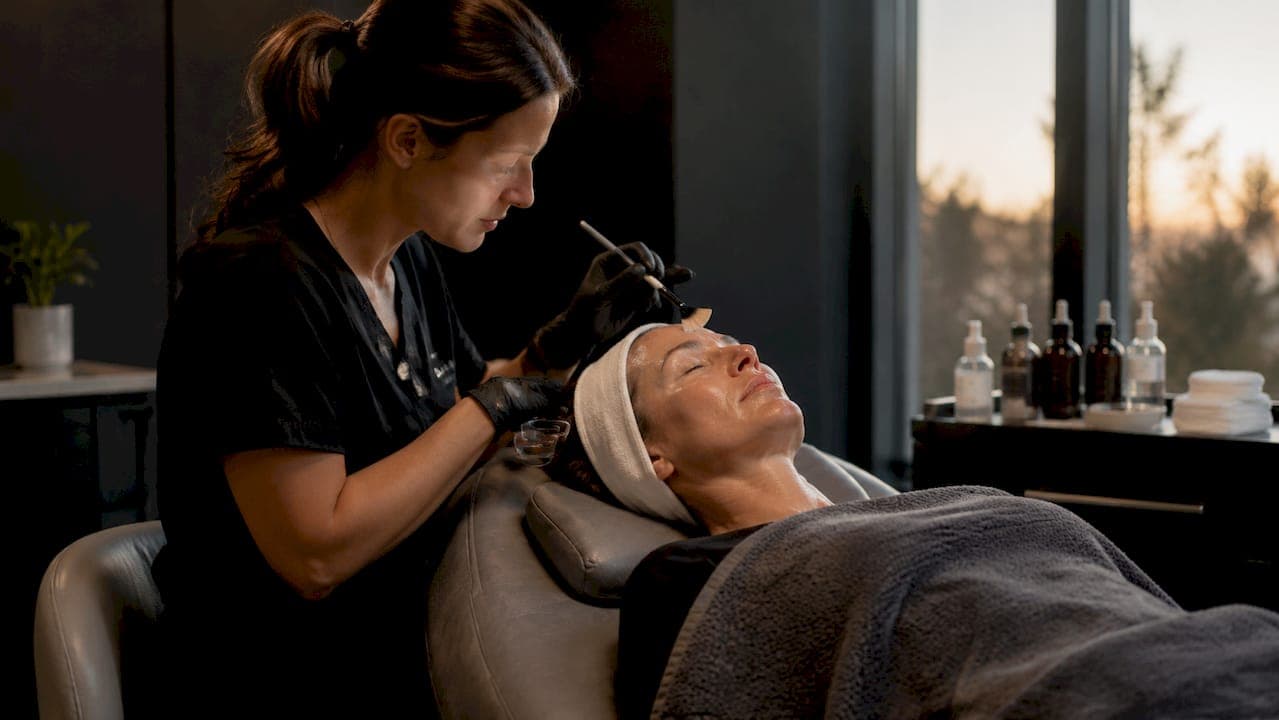
A superficial chemical peel is defined as a light cosmetic treatment that uses mild acids to remove only the outermost layer of the epidermis, improving skin texture, tone, and clarity. The procedure typically uses alpha hydroxy acids (AHAs) such as glycolic or lactic acid, or the beta hydroxy acid (BHA) salicylic acid. Clinicians often call it a "lunchtime peel" because the chemical peel procedure lasts around 20–30 minutes with minimal downtime. It targets mild acne, fine lines, dullness, and uneven pigmentation. If you are exploring skin rejuvenation options, this guide covers every stage from the acids used to the aftercare your skin needs.
What is a superficial chemical peel and how does it work?
A superficial peel works by applying a controlled acid solution to the skin, which breaks down the bonds between dead epidermal cells and accelerates natural cell turnover. The acid penetrates only to the stratum granulosum or, at most, the stratum basale, leaving the deeper dermis completely untouched. This is what separates a superficial peel from a medium or deep peel, which reach the papillary and reticular dermis respectively. The result is fresher, smoother skin with no surgical recovery period.
The mechanism is straightforward. Acid disrupts the intercellular cement holding dead skin cells together. Those cells shed over the following days, revealing the newer cells beneath. Repeated sessions build on this effect, which is why 4–6 sessions are typically recommended for optimal results.
Which acids are used in superficial peels?
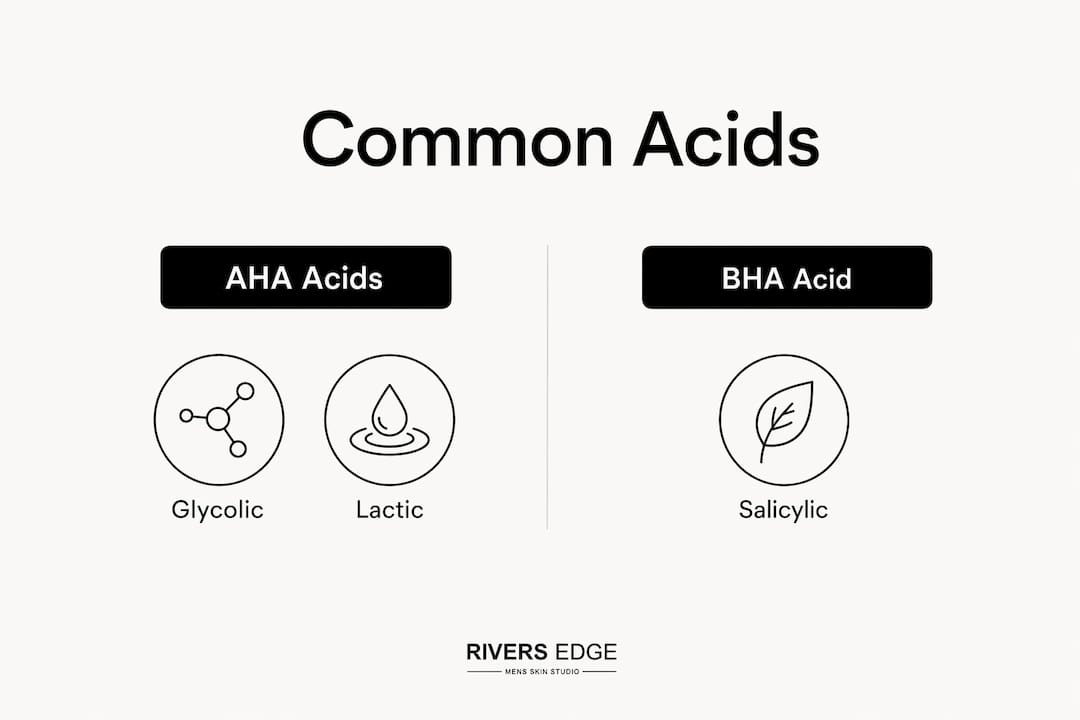
The three most common agents are glycolic acid, lactic acid, and salicylic acid. Each has a distinct molecular profile that determines how deeply it penetrates and which skin concerns it addresses best.
Glycolic acid is the smallest AHA molecule, which means it penetrates the epidermis quickly and effectively. It is used at concentrations of 30–50% in professional settings and suits normal to oily skin types dealing with fine lines and uneven tone.
Lactic acid has a larger molecular weight than glycolic acid, so it penetrates more slowly and causes less irritation. Professional concentrations run from 10–30%. It is the preferred choice for sensitive or dry skin because it also has mild humectant properties that support hydration.
Salicylic acid is a BHA, meaning it is oil-soluble rather than water-soluble. This property allows it to penetrate lipid barriers rapidly and reach inside the pore lining. It carries anti-inflammatory and anti-microbial properties, making it the strongest option for inflammatory acne and skin prone to post-inflammatory hyperpigmentation.
| Acid | Concentration | Best for | Key effect |
|---|---|---|---|
| Glycolic acid | 30–50% | Normal to oily skin, fine lines | Fast epidermal penetration, cell turnover |
| Lactic acid | 10–30% | Sensitive or dry skin, pigmentation | Gentle exfoliation, mild hydration |
| Salicylic acid | 20–30% | Acne-prone, oily skin | Anti-inflammatory, pore-clearing |
| Mandelic acid | 40% | Sensitive skin, rosacea-prone | Slow penetration, low irritation risk |
Pro Tip: If you have active breakouts alongside uneven tone, a salicylic acid peel addresses both concerns in a single session. Glycolic acid is better suited to texture and fine lines on clear skin.
What are the benefits of a superficial chemical peel?
Superficial peels deliver a range of visible improvements, particularly when sessions are spaced consistently. The core benefits include:
- Smoother skin texture. Accelerated cell turnover removes the rough, dull surface layer, leaving skin noticeably softer within days of treatment.
- Reduced fine lines. Repeated sessions stimulate collagen production in the upper dermis, which gradually softens shallow lines around the eyes and mouth.
- Improved skin tone. Peels reduce mild pigmentation issues including melasma, sun-induced lentigines, and post-acne marks by dispersing melanin clusters in the epidermis.
- Acne control. Salicylic acid peels reduce active breakouts and lower the risk of new ones forming by clearing pore congestion and reducing bacterial load.
- Minimal downtime. Mild redness and flaking lasting a few days are the typical post-treatment effects, making superficial peels compatible with a working week.
The cumulative benefit is the key point here. A single session produces a visible glow, but the structural improvements to texture and pigmentation build across a course of treatment. Most practitioners recommend monthly sessions to maintain results without overstressing the skin barrier.
A chemical peel for men's skin follows the same clinical principles but accounts for the fact that male skin is typically thicker and oilier, which can influence acid concentration and session frequency.
How is the procedure performed?
A professional superficial peel follows a consistent sequence of steps. Knowing what to expect removes any uncertainty before your appointment.
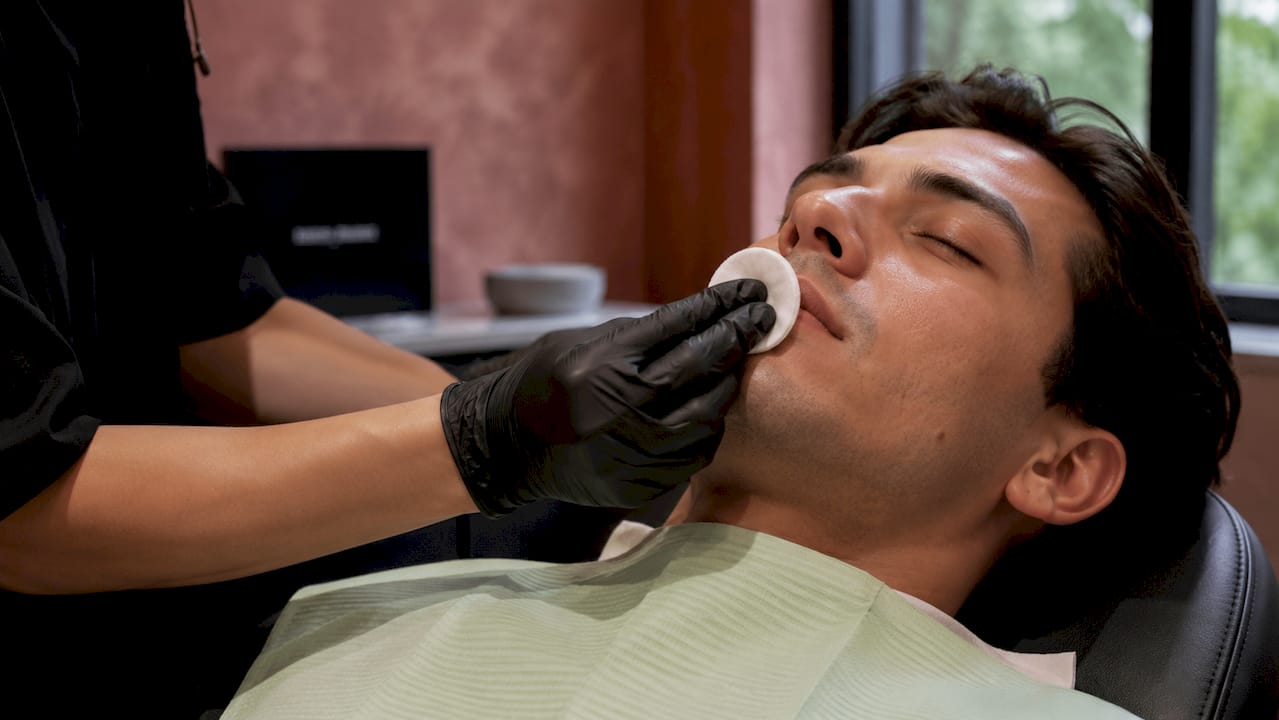
- Skin cleansing. The practitioner removes all oils, makeup, and residue from the skin using a gentle cleanser. A degreasing agent such as acetone may follow to ensure the acid contacts the skin evenly.
- Acid application. The peel solution is applied with a brush or gauze in thin, even layers. You will feel mild tingling or warmth within seconds. This is normal and expected.
- Monitoring the clinical endpoint. The practitioner watches for uniform erythema (redness) and fine white dots on the skin surface. This pattern, known as frosting, signals that the acid has reached the intended depth and must be neutralised immediately.
- Neutralisation. A neutralising solution, typically sodium bicarbonate or water, is applied to stop the acid's action. This step is critical for preventing overexposure.
- Post-treatment application. A soothing serum or barrier cream is applied to calm the skin and begin the recovery process.
The entire appointment takes 20–30 minutes. Redness and mild sensitivity are normal for 24–48 hours. Light flaking begins around day two or three and resolves within a week.
Pro Tip: Never pick or peel flaking skin after treatment. Premature removal of shedding cells increases the risk of scarring and post-inflammatory hyperpigmentation, particularly on darker skin tones.
What are the risks and how do you prepare your skin?
A superficial peel is considered safe for most skin types, but risks exist and preparation reduces them significantly. The most common side effects are temporary redness, mild irritation, and increased sun sensitivity. Less commonly, uneven pigmentation can occur, particularly in people with darker skin tones or those who skip pre-treatment preparation.
Pre-treatment preparation makes a measurable difference to outcomes. Topical retinoids or hydroquinone applied for several weeks before the peel prime the skin by normalising cell turnover and reducing the risk of patchy pigmentation. This preparation also helps the acid penetrate more evenly across the skin surface.
Post-treatment care is equally non-negotiable:
- Apply SPF 30 or higher daily. Freshly peeled skin is significantly more vulnerable to UV damage. Sun exposure after a peel without protection is the leading cause of post-treatment hyperpigmentation.
- Use a gentle, fragrance-free moisturiser. This supports barrier repair and reduces the sensation of tightness and dryness during the flaking phase.
- Avoid active ingredients for at least one week. Retinoids, AHAs, and vitamin C products should be paused until the skin has fully settled.
- Do not use saunas or steam rooms. Heat increases inflammation and can extend redness beyond the expected recovery window.
The post-treatment skincare steps men need to follow after a peel are straightforward but must be consistent. Skipping sun protection even once during the recovery period can undo the pigmentation benefits of the entire course.
Professional chemical peels maintain precise control over acid concentration and skin pH in ways that at-home kits cannot replicate. This control is the primary reason professional treatments produce more consistent results with a lower risk of adverse reactions.
Key takeaways
A superficial chemical peel is the most accessible and lowest-risk entry point into professional skin rejuvenation, delivering real results when the right acid, concentration, and aftercare are applied consistently.
| Point | Details |
|---|---|
| Definition and depth | A superficial peel removes only the outer epidermal layer using AHAs or salicylic acid. |
| Acid selection matters | Glycolic acid suits fine lines; salicylic acid targets acne; lactic acid works best for sensitive skin. |
| Multiple sessions needed | A course of 4–6 monthly sessions delivers the best cumulative improvement in texture and tone. |
| Aftercare is non-negotiable | Daily SPF and a gentle moisturiser are required after every session to protect results. |
| Professional treatment is safer | Clinician-controlled peels manage acid depth and clinical endpoint far more reliably than at-home options. |
What I have learned from watching superficial peels work over time
The most common misconception I encounter is that a superficial peel is too mild to be worth the effort. People expect dramatic peeling and a visible transformation after one session. When they see light flaking and a subtle glow instead, they assume the treatment has not worked. That assumption is wrong.
The real value of a superficial peel is cumulative. The skin you see after session one is not the point. The skin you see after session five, with consistent aftercare and proper sun protection, is the point. I have seen men with years of sun damage, congested pores, and uneven tone achieve genuinely significant improvements over a structured course of treatment. None of those results came from a single appointment.
The other thing I feel strongly about is the professional versus at-home distinction. At-home peel kits use lower acid concentrations for safety reasons, which limits their depth of action. A trained practitioner reads the clinical endpoint in real time and neutralises the acid at exactly the right moment. That level of control is not available in a bathroom. For anyone with darker skin, active acne, or a history of pigmentation issues, attempting a peel without professional oversight carries a real risk of making things worse. The professional vs home skincare debate is not close when it comes to chemical peels.
My recommendation is simple. Start with a professional consultation, commit to a full course, and treat aftercare as part of the treatment itself.
— David
Superficial chemical peels at Riversedgeskinstudio
Riversedgeskinstudio specialises in men's skin treatments, and superficial chemical peels are a core part of that offering. Every treatment begins with a consultation to assess your skin type, concerns, and history before selecting the right acid and concentration for your skin.

Whether you are dealing with congested pores, uneven tone, or the early signs of ageing, a structured course of peels can produce measurable results. Riversedgeskinstudio builds bespoke treatment plans that account for your skin's specific needs, not a generic protocol. Explore the full range of men's skin treatments available and book a consultation to find out which peel is right for you.
FAQ
What is a superficial chemical peel used for?
A superficial chemical peel treats mild acne, uneven skin tone, fine lines, and dullness by removing the outermost epidermal layer. It is suitable for regular maintenance and requires no significant recovery time.
How many sessions does a superficial peel require?
Most practitioners recommend a course of 4–6 sessions spaced approximately one month apart for optimal results. A single session produces a visible improvement, but cumulative sessions deliver the most significant changes to texture and pigmentation.
Is a superficial chemical peel safe for all skin types?
Superficial peels are generally safe for most skin types when performed by a trained professional. People with darker skin tones benefit from pre-treatment preparation with retinoids or hydroquinone to reduce the risk of post-inflammatory hyperpigmentation.
What should I avoid after a superficial peel?
Avoid direct sun exposure, saunas, active skincare ingredients such as retinoids and AHAs, and picking at flaking skin for at least one week after treatment. Daily SPF 30 or higher is mandatory throughout the recovery period.
How does a superficial peel differ from a deep peel?
A superficial peel removes only the outer epidermal layer with minimal downtime, while a deep peel penetrates into the reticular dermis and requires a recovery period of several weeks. Deep peels address more severe scarring and wrinkles but carry significantly higher risks.