
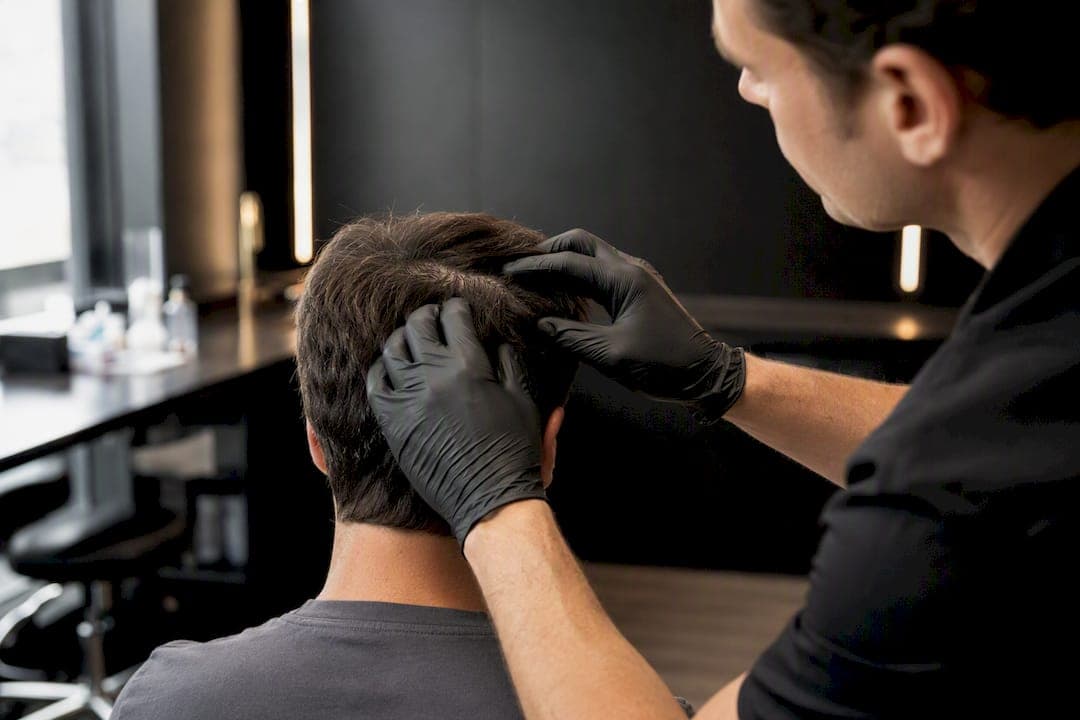
Finasteride and topical minoxidil are the two treatments with the strongest clinical backing for a receding hairline, and starting one or both early gives you the best odds of holding onto what you have. Clinic procedures like microneedling, PRP, or a hair transplant suit specific cases rather than everyone. Prescription decisions need a clinician's input, which is exactly the assessment a clinic such as Riversedgeskinstudio provides for men in Liverpool and Merseyside.
Finasteride is FDA-indicated for men only. Women who are or may become pregnant must not handle crushed or broken finasteride tablets, due to the risk of harm to a male fetus. It can also cause sexual side effects (reduced libido, erectile dysfunction) in a minority of men, which usually resolve after stopping treatment. Discuss these risks with a physician before starting.
TL;DR:
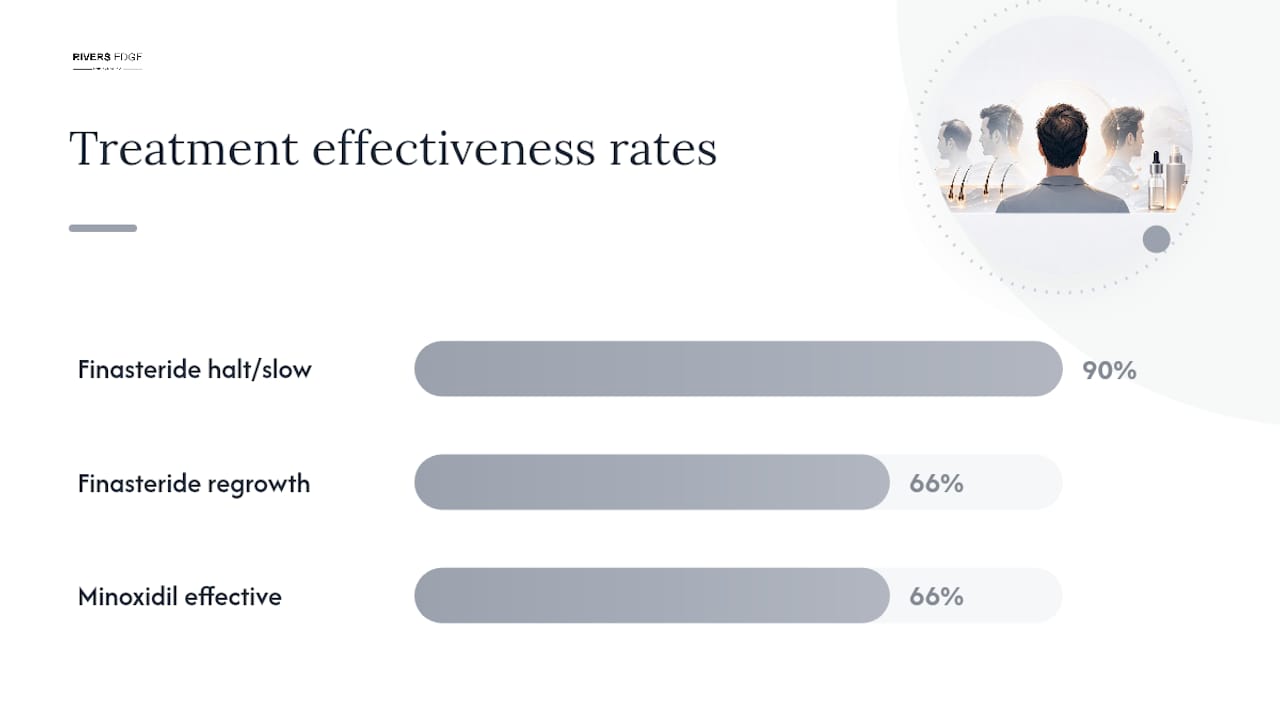
- Finasteride slows or halts hair loss in around 90% of men and promotes visible regrowth in about 66%, but benefits take four to twelve months to appear.
- Early intervention is crucial because finasteride and minoxidil are less effective on follicles that have already gone dormant, emphasizing the importance of prompt treatment.
- Clinic procedures like microneedling, PRP, or hair transplants can support medication, but results vary and often require multiple sessions or ongoing treatments.
- Lifestyle changes such as short hairstyles, scalp concealers, quitting smoking, and maintaining a balanced diet can provide immediate visual improvements.
- A staged assessment by a clinician is essential before starting treatment, as waiting too long reduces options and complicates effective management.
Table of Contents
- What causes a receding hairline, and how do doctors assess it?
- Finasteride and minoxidil: what they do and what to expect
- Clinic treatments: microneedling, PRP, laser and transplant surgery
- Practical styling and lifestyle changes that help right now
- When should you see a clinician about hair loss?
- How a specialist men's clinic plans hairline treatment
- What men often get wrong about treating a receding hairline
- Book a hairline assessment with Riversedgeskinstudio
- Sources
What causes a receding hairline, and how do doctors assess it?
Almost all receding hairlines in men come down to one condition: androgenic alopecia, more commonly called male pattern baldness. Hair follicles at the temples and crown are genetically sensitive to dihydrotestosterone (DHT), a hormone derived from testosterone. Over time, DHT shrinks these follicles in a process called miniaturisation, until they stop producing visible hair altogether.
It's more common, and starts earlier, than most men expect. Androgenic alopecia affects roughly 50% of men by the age of 50, and it can begin in the late teens or early twenties for men with a strong family history.
Half of all men will experience meaningful pattern hair loss by their fiftieth birthday, and the process often starts decades earlier.
Clinicians grade the pattern using the Hamilton–Norwood scale, which runs from stage 1 (no visible recession) to stage 7 (extensive loss across the crown and hairline). Staging matters because it shapes the treatment conversation. Early stages respond well to medication alone, whereas advanced stages may need a transplant to restore density.
Before confirming male pattern baldness, a clinician will usually rule out other causes, including:
- Certain medications (some blood pressure drugs, retinoids, and anticoagulants)
- Alopecia areata, an autoimmune condition causing patchy loss
- Iron deficiency or thyroid dysfunction
- Severe stress or illness triggering temporary shedding (telogen effluvium)
Finasteride and minoxidil: what they do and what to expect
These two drugs remain the backbone of receding hairline remedies, and for good reason: they attack the problem through two different mechanisms, which is why clinicians often recommend using them together.
Finasteride is an oral prescription medication that blocks the enzyme responsible for converting testosterone into DHT. Less DHT reaching the follicle means less miniaturisation. Minoxidil, applied directly to the scalp, works differently: it widens blood vessels and is thought to prolong the growth phase of the hair cycle, encouraging existing follicles to produce thicker strands for longer.
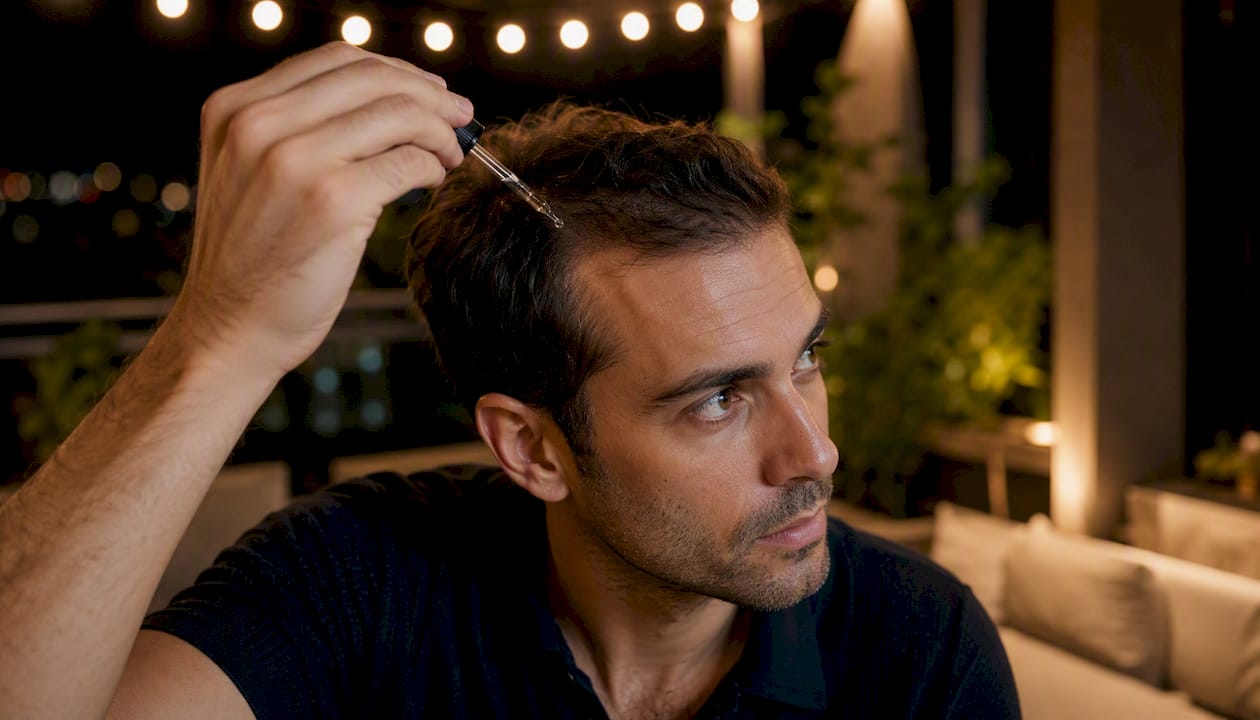
The effect sizes are genuinely encouraging for men who catch the problem early. Clinical data reviewed by Harvard Health show finasteride slows or halts further loss in around 90% of men, with roughly 66% seeing some visible regrowth. Minoxidil performs well too, proving effective in about 66% of men, particularly those under 40 who've noticed thinning recently rather than years ago.
Neither drug works overnight. Most men need four to six months of consistent use before noticing a difference, and the real verdict often doesn't arrive until the eight to twelve month mark. That waiting period trips people up more than the medication itself does.
Pro Tip: Take a dated photo of your hairline before starting treatment, from the same angle and lighting each time. Memory is unreliable over six months. A photo isn't.
Side effects are real but uncommon. Minoxidil can cause scalp irritation or unwanted facial hair in a small number of users. Finasteride carries a documented risk of sexual side effects in a minority of men, which is exactly why a full medical history review before starting matters. The NHS recommends both as first-line options for male pattern baldness, but stopping either drug usually undoes the gains: minoxidil's benefits fade once you stop applying it, and finasteride works the same way.
Clinic treatments: microneedling, PRP, laser and transplant surgery
Beyond the pharmacy, several in-clinic hair restoration options exist. Evidence quality varies considerably between them, so it's worth knowing what each one can realistically deliver.
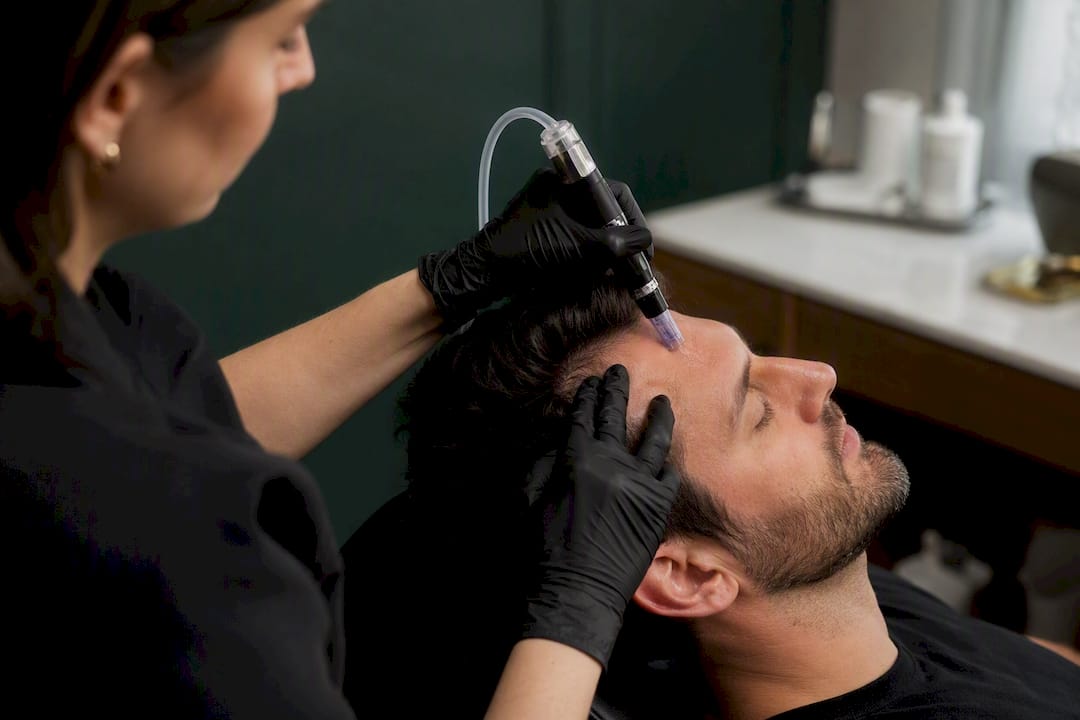
- Scalp microneedling creates controlled micro-injuries that trigger a wound-healing response, and it's frequently paired with topical treatments because the tiny channels it creates may improve absorption. A typical course runs across several sessions spaced weeks apart.
- PRP (platelet-rich plasma) involves injecting a concentrate of your own blood platelets into the scalp. Mayo Clinic notes the evidence is still developing, and results tend to hold only with repeat sessions every few months, which adds up in cost over a year.
- Low-level laser devices show modest evidence for stimulating growth and are sometimes suggested as an add-on rather than a standalone fix.
- Hair transplant surgery (FUE or FUT) relocates follicles from a donor area to thinning zones. The NHS explains that outcomes depend on having sufficient donor hair, and more than one procedure is sometimes needed. Crucially, transplanted hair is permanent, but the surrounding hereditary hair loss can continue, which is why many surgeons pair transplants with ongoing medication.
Pro Tip: Ask any clinic offering PRP or microneedling how many sessions their published results are based on. A single treatment rarely tells you much.
Combining a topical or oral medication with an in-clinic procedure, rather than relying on one alone, tends to produce the most durable results, particularly for men in the middle Hamilton–Norwood stages.
Practical styling and lifestyle changes that help right now
While medication takes months to show results, a few changes help immediately. A shorter cut, especially a crop or fade that blends the sides into a thinning temple, disguises recession far better than longer styles that expose the contrast.
Hair fibres, root concealers, and semi-permanent scalp colouring can also reduce visible scalp show for social occasions, provided they're applied to dry hair and washed out according to the product instructions to avoid staining pillowcases or collars.
On the lifestyle side, the evidence is more modest but not worthless:
- Quitting smoking supports scalp blood flow and general follicle health
- A balanced diet with adequate iron, protein, and vitamin D addresses deficiencies that can worsen shedding
- A regular scalp massage may ease tension and support circulation, though it won't reverse hormonal hair loss on its own
Be cautious with supplements and gadgets marketed as hair growth solutions. Harvard Health warns that many lack the clinical backing of finasteride or minoxidil, and men often spend months on unproven products before trying what actually works.
When should you see a clinician about hair loss?
See a doctor promptly if hair loss is sudden, patchy, or accompanied by scalp pain, redness, or symptoms elsewhere in the body. These patterns suggest something other than standard male pattern baldness and need proper diagnosis rather than an over-the-counter fix.
For routine, gradual recession, a consultation typically covers:
- A review of your family history and how long you've noticed thinning
- A medication and health history check, since some drugs can trigger shedding
- A scalp examination, and blood tests if a deficiency or thyroid issue is suspected
- A discussion of realistic outcomes, monitoring, and a follow-up plan
Ask directly about side effects, how long before you'll see change, and what happens if you stop treatment. Most receding hairline remedies only work while you keep using them, so understanding that commitment upfront avoids disappointment later.
How a specialist men's clinic plans hairline treatment
A men's clinic assessment typically starts by placing your hairline on the Hamilton–Norwood scale and reviewing your history, which determines whether a topical or prescription route makes sense, or whether an in-clinic procedure should be part of the plan from the outset.
From there, treatment planning often looks at:
- Whether finasteride, minoxidil, or both suit your stage and medical history
- Whether scalp microneedling or polynucleotide treatments could support a topical regimen
- What a realistic, staged timeline looks like across the first year
- How progress gets monitored and adjusted at follow-up visits
A tailored consultation beats guesswork, because two men at the same Norwood stage can need very different plans.
What men often get wrong about treating a receding hairline
Most men wait too long. They notice the temples softening in their late twenties, decide it's not bad enough to act on yet, and revisit the idea five years later when there's meaningfully less to work with. The clinical logic is straightforward: finasteride and minoxidil work on follicles that are miniaturising, not follicles that have already gone dormant. Waiting doesn't make the decision safer. It just narrows your options.
The conventional advice, "try minoxidil and see," undersells how much finasteride adds for men with a strong genetic pattern, largely because one needs a prescription and a proper conversation with a clinician while the other sits on a pharmacy shelf. That friction shouldn't decide your treatment plan. Efficacy should.
If there's one thing worth prioritising above all else, it's getting an honest, staged assessment before spending money on supplements, devices, or fibres that treat the symptom rather than the cause. Cosmetic fixes have their place. They're a bridge, not a destination.
— David
Book a hairline assessment with Riversedgeskinstudio
Guesswork gets expensive fast when you're buying supplements and gadgets with no real evidence behind them. Riversedgeskinstudio gives men in Liverpool a proper starting point instead: a hairline assessment that stages your recession, reviews your history, and maps out whether topical treatment, scalp microneedling, or a combined plan suits you best.

The clinic's approach centres on personalised plans rather than a one-size-fits-all regimen, delivered in a setting built specifically around men's aesthetic and wellness needs. Results vary from one man to the next, which is precisely why a clinical consultation, not another online guide, is the step that actually moves you forward. You can review the full range of men's hair and skin treatments and book an assessment directly through the Riversedgeskinstudio site.
This article is general information, not a substitute for advice from a qualified doctor. Consult a qualified healthcare professional about your own circumstances before acting on anything here.