
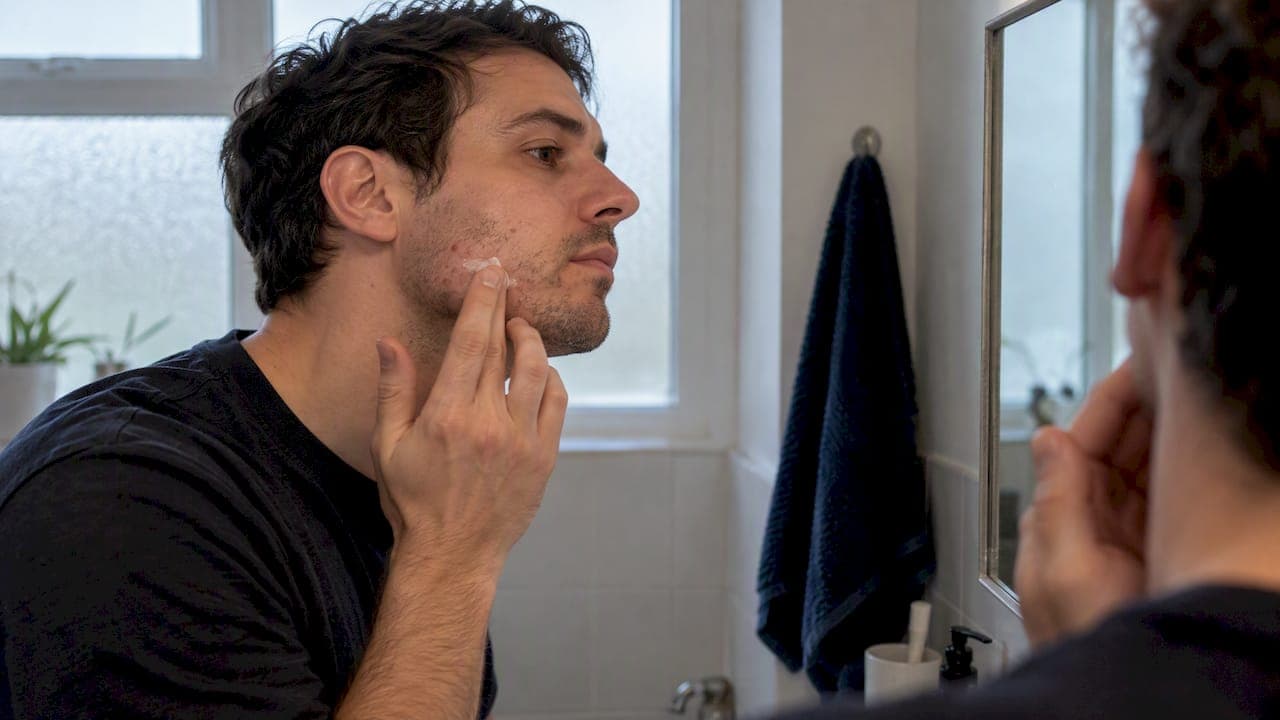
Start with gentle twice daily cleansing plus an appropriate over the counter active such as benzoyl peroxide or a topical retinoid, and give it a couple of months before judging results. If skin has not improved by then, or acne is painful, scarring or affecting your mood, book a GP review. Stress reduction helps calm flares, but it supports treatment rather than replacing it, a principle both the NICE guideline and clinics build their plans around.
TL;DR:
- Introduce one active ingredient at a time, waiting two weeks before adding another; benzoyl peroxide may bleach fabrics, while retinoids often cause early dryness.
- NICE recommends a 12 week course combining topical treatments; moderate to severe acne may need antibiotics, usually alongside benzoyl peroxide to limit resistance.
- Seek prompt medical review for deep painful nodules, signs of infection, or scarring; persistent distress also warrants discussion of mental health support.
- High glycemic foods and skim milk may aggravate breakouts for some people, but no single diet clears acne; track personal responses before restricting foods.
Table of Contents
- How stress can cause or worsen acne
- At home routine and OTC treatments men can try now
- Medical treatment options aligned with NICE (what a GP or dermatologist offers)
- When to see a GP or a specialist, and the psychological impact
- Clinic perspective: how a men's clinic assesses and treats stress related acne
- Basic symptoms and skin types affected
- Dietary factors influencing stress acne and relevant nutritional advice
- Possible side effects and precautions of common acne treatments
- Integration of hormonal influences unique to men in stress acne treatment
- Author perspective from David, a clinician's short view
- Clinic help and next steps
- FAQ
- Sources
How stress can cause or worsen acne
Stress does not create acne from nothing, but it can turn a mild case into a stubborn one. When you are under sustained pressure, your body releases more cortisol, and this activates the hypothalamic-pituitary-adrenal axis in a way that can push sebaceous glands to produce more oil. That extra sebum, combined with inflammatory signalling in the skin, gives acne-causing bacteria more to work with.
Stress-related acne research is largely observational. Scientists can see the association between stressful periods and flare-ups, but they have not proven a direct cause in the way they have for other acne triggers. A recent psychodermatology review points to cortisol driven inflammation and neuropeptide activity as plausible mechanisms, while stopping short of calling stress a primary cause.
The practical points worth taking from this:
- Stress tends to worsen existing acne rather than trigger it in skin that was otherwise clear.
- Cortisol can increase oil production through its effect on androgen pathways in the skin.
- Lowering stress can reduce flare severity, but active lesions still need topical or medical treatment to clear.
At home routine and OTC treatments men can try now
A simple, consistent routine beats a complicated one every time. Wash your face with a gentle, non-stripping cleanser twice a day, follow with a non-comedogenic moisturiser, and use a broad-spectrum sun cream if you are outdoors. According to NHS guidance, this basic approach, alongside the right active ingredient, resolves a large share of mild to moderate cases.
- Benzoyl peroxide reduces acne-causing bacteria and works well as a morning treatment at lower strengths first.
- Salicylic acid helps clear pores and suits oily, congested skin on the chest and back as well as the face.
- Azelaic acid is gentler and often tolerated well by sensitive or easily irritated skin.
- Topical retinoids normalise skin cell turnover but need a gradual introduction to avoid excessive dryness.
Shaving matters more than most men realise. An electric razor tends to cause less irritation than a blade over active spots, and washing promptly after a sweaty workout or a long shift stops sweat and oil sitting on the skin and feeding breakouts, a point echoed in practical guidance for men on body acne.
Pro Tip: Introduce a new active one at a time and wait two weeks before adding another, so you can tell what is actually working.
Give any new routine a few months before deciding it has failed. Our guide to starting a men's skincare routine walks through building this step by step, and if you have oilier skin specifically, our oily skin routine for men covers shaving and product order in more depth.
Medical treatment options aligned with NICE (what a GP or dermatologist offers)
When over the counter products are not enough, UK clinical guidance sets out a clear next step. The NICE guideline on acne vulgaris recommends a 12 week course of a fixed combination topical treatment as first line therapy, such as adapalene with benzoyl peroxide, or tretinoin with clindamycin. Combining two mechanisms in one product improves results without asking the patient to manage several separate steps.
For moderate to severe acne that has not responded, oral antibiotics are commonly added. Doxycycline and lymecycline once daily are the preferred oral antibiotic options in the UK, largely because once daily dosing supports better adherence, according to NICE's clinical knowledge summary. Courses are generally limited to a few months to reduce the risk of antibiotic resistance, and they are usually paired with a topical benzoyl peroxide to support this.
Isotretinoin sits further along the pathway, reserved for severe, scarring or treatment-resistant acne. Because of its known links to mood changes, NICE guidance on referral and monitoring calls for an assessment of mental wellbeing before and during treatment.
A few practical points make combination therapy easier to live with:
- Apply chemically incompatible actives at different times of day, such as benzoyl peroxide in the morning and a retinoid at night.
- Expect some dryness or peeling in the first few weeks as skin adjusts.
- Stick with the regimen through the full review period rather than switching products early.
The review window NICE sets for assessing whether a first line topical course is working is about three months, and that timeline applies whether you are using an OTC active or a prescribed combination.
When to see a GP or a specialist, and the psychological impact
Some signs mean it is worth skipping the wait and seeing a GP sooner. Deep, painful nodules, acne that is leaving scars, or spots that seem infected all warrant a prompt review rather than another few weeks of self-treatment.
- Painful, deep or cystic spots that do not improve with OTC treatment.
- Any sign of scarring, since early treatment limits long-term marks.
- Acne that is affecting your mood, confidence or daily life.
- No improvement after a full 8 to 12 week course of an appropriate treatment.
Acne can carry a real psychological weight, and NICE guidance specifically flags persistent distress as a trigger for considering referral to mental health support alongside physical treatment. A good clinic will ask about how acne is affecting you, not just what it looks like, and factor that into the plan.
Clinic perspective: how a men's clinic assesses and treats stress related acne
During clinic assessments, evaluation starts before any product touches your skin. Factors such as shaving habits, steroid or supplement use, recent stress levels, and skin type are considered, because these details shape which treatment will actually suit you.
- Shaving method and frequency are reviewed, since blade irritation often mimics or worsens acne.
- Sleep, workload and recent life changes are discussed to understand likely stress triggers.
- Current products and any steroid use that could be contributing are checked.
- Skin type and scarring risk are assessed before recommending in-clinic adjuncts.
Where appropriate, in-clinic treatments such as chemical peels or microneedling can be considered alongside a home routine, with follow-up to track progress against a realistic timeline rather than promising an overnight fix.
Basic symptoms and skin types affected
Acne shows up as a mix of blackheads, whiteheads, inflamed red spots, and in more severe cases, deeper cysts or nodules that sit under the skin. Stress-related flares tend to follow the same pattern as other acne, often concentrated on the forehead, jawline and chin, areas where sebaceous activity runs high.
Oily skin is more prone to clogged pores and breakouts generally, but stress-linked flares can appear on combination or even normally dry skin during particularly demanding periods, since cortisol's effect on oil production is not limited to one skin type. Men with naturally oilier skin, or anyone who shaves regularly, often notice flares concentrated along the jaw and neck, where friction from a razor compounds existing congestion.
Body acne on the chest and back follows a similar pattern and responds to the same actives used on the face, though the skin there is often thicker and can tolerate slightly stronger concentrations of salicylic acid or benzoyl peroxide. Recognising which pattern you are dealing with, consistent small spots versus occasional deep painful ones, helps determine whether a basic routine will do the job or whether it is worth getting a professional opinion sooner.
Dietary factors influencing stress acne and relevant nutritional advice
Diet's role in acne is real but modest, and it works alongside stress rather than instead of it. High glycaemic index foods, think white bread, sugary drinks and heavily processed snacks, can spike blood sugar and insulin, which in turn may increase the kind of inflammation that worsens breakouts. Dairy, particularly skimmed milk, has also been linked to acne in some people, though the effect varies widely from person to person.
Stress itself often changes eating patterns in ways that compound the problem. Comfort eating during busy or difficult periods tends to favour exactly the processed, high sugar foods that may aggravate skin, creating a loop where stress drives poor food choices and poor food choices add to skin inflammation.
There is no single diet proven to clear acne, so the more useful approach is moderation rather than elimination. Favour whole foods, oily fish, vegetables and good hydration, and watch how your own skin responds to high sugar or dairy heavy periods rather than following a blanket restriction. Nutritional changes work best as a background habit supporting a proper treatment routine, not as a replacement for the actives and medical options already covered above.
Possible side effects and precautions of common acne treatments
Most acne treatments cause some initial irritation, and knowing what is normal helps you stick with a routine long enough for it to work. Benzoyl peroxide and topical retinoids commonly cause dryness, redness or mild peeling in the first few weeks, which is why clinical guidance recommends introducing them gradually, often with short contact application at first before moving to a full leave-on routine.
Benzoyl peroxide can also bleach fabric, so white pillowcases and towels are worth switching to while using it. Salicylic acid and azelaic acid tend to be gentler, though salicylic acid can still dry out sensitive skin if overused.
Oral antibiotics such as doxycycline carry their own precautions, including increased sun sensitivity and occasional stomach upset, and courses are kept to around 12 weeks partly to limit resistance. Isotretinoin requires the closest monitoring of any acne treatment: it can cause significant dryness across the skin and lips, and because of its links to mood changes, mental wellbeing is assessed before and during use.
The common thread across all of these is patience over intensity. Using more product or switching actives every few days generally causes more irritation without speeding up results, whereas a steady, well-tolerated routine held for the full 8 to 12 week review period gives the clearest picture of what is actually working.
Integration of hormonal influences unique to men in stress acne treatment
Men's skin runs on higher baseline testosterone than women's, and testosterone converts to dihydrotestosterone in the skin, which stimulates sebaceous glands directly. This is part of why acne in men often skews oilier and can persist further into adulthood than it does for many women. Cortisol adds to this picture rather than replacing it: rising cortisol during stressful periods can increase the conversion of androgens in the skin, according to patient facing guidance on stress and acne, compounding the oil production already driven by testosterone.
This does not mean acne reflects unusually high testosterone, most men with acne have hormone levels well within the typical range, but it does mean treatment needs to account for a naturally oilier baseline. Actives that target oil production, such as benzoyl peroxide and salicylic acid, often suit men's skin well for this reason, and a slightly stronger retinoid regimen may be tolerated better than it would be on drier skin types.
Anabolic steroid use, whether for training or otherwise, is also worth mentioning to a GP or clinic if relevant, since it can significantly worsen acne through the same androgen pathway. A clinic assessment that asks about this alongside stress and shaving habits gets a fuller picture than a generic skincare routine ever will.
Author perspective from David, a clinician's short view
The strongest results come from treating skin and stress together, not one or the other. Men who stick with an active treatment for the full 8 to 12 week review window, while also addressing sleep and workload, tend to see steadier improvement than those chasing quick fixes. If acne persists past that point, a proper assessment beats another few weeks of guessing.
— David
Clinic help and next steps
If your routine has run its course and you want a plan built around your own skin, professional assessments can look at shaving habits, stress history and skin type before recommending anything. Focusing exclusively on men's skin means treatment plans are built around how male skin typically behaves, often oilier, thicker and more resistant to generic advice.

Relevant services include:
- Deep Cleanse Facial, a thorough treatment suited to congested or breakout-prone skin.
- Chemical Peel, available as a single treatment or a course, for texture and ongoing breakouts.
- Microneedling Facial, used to support skin recovery and texture over a course of sessions.
| Service | Price |
|---|---|
| Deep Cleanse Facial | £35 |
| Chemical Peel (Single Treatment) | £60 |
| Microneedling Facial (Single Treatment) | £70 |
An initial booking starts with a conversation about your skin history and goals before any treatment is recommended, and private clinic care sits alongside, rather than instead of, NHS pathways for anyone who would prefer to start there. Browse our full list of services or book an assessment directly to get started.
This article is general information, not a substitute for advice from a qualified doctor. Consult a qualified healthcare professional about your own circumstances before acting on anything here.

FAQ
How can you manage stress related breakouts?
Combine a consistent gentle skincare routine with an appropriate active such as benzoyl peroxide or a retinoid, and address the stress itself through better sleep, regular exercise and realistic workload management. Give the routine 8 to 12 weeks before judging results, in line with NICE treatment review timelines.
What is the difference between stress acne and hormonal acne?
Stress related acne tends to flare during periods of pressure and often clears as stress eases, driven by cortisol's effect on oil production. Hormonal acne follows more consistent hormonal patterns, such as puberty or androgen levels, and the two frequently overlap since cortisol itself interacts with androgen pathways in the skin, as patient guidance on stress triggers explains.
Does acne mean a man has high testosterone?
No, acne does not indicate unusually high testosterone. Most men with acne have testosterone within a typical range; acne reflects how sensitive the skin's sebaceous glands are to normal androgen activity, not the overall amount of hormone present.
Can acne affect mental health?
Yes, acne can cause real psychological distress, including lowered confidence and persistent low mood. NICE guidance recommends considering a mental health referral when acne contributes to ongoing distress, alongside standard dermatological treatment.