
A glycolic acid peel is defined as a chemical exfoliation treatment that uses an alpha hydroxy acid (AHA) derived from sugarcane to dissolve the bonds holding dead skin cells together. The result is controlled surface renewal that reveals smoother, brighter skin underneath. Glycolic acid has one of the smallest molecular sizes of all AHAs, which means it penetrates the skin surface more effectively than most comparable acids. Dermatologists recognise it as one of the most studied exfoliating agents in clinical skincare, making it a reliable choice for men seeking real, measurable improvements in skin texture and tone.
What are the key benefits of glycolic acid peels for skin health?
Glycolic acid peels deliver a range of skin improvements that go well beyond basic exfoliation. The treatment accelerates natural cell turnover, which slows significantly as men age, leaving skin looking dull and uneven. By removing the outermost layer of dead cells, a peel immediately improves surface texture and creates a visible brightness that moisturisers alone cannot replicate.
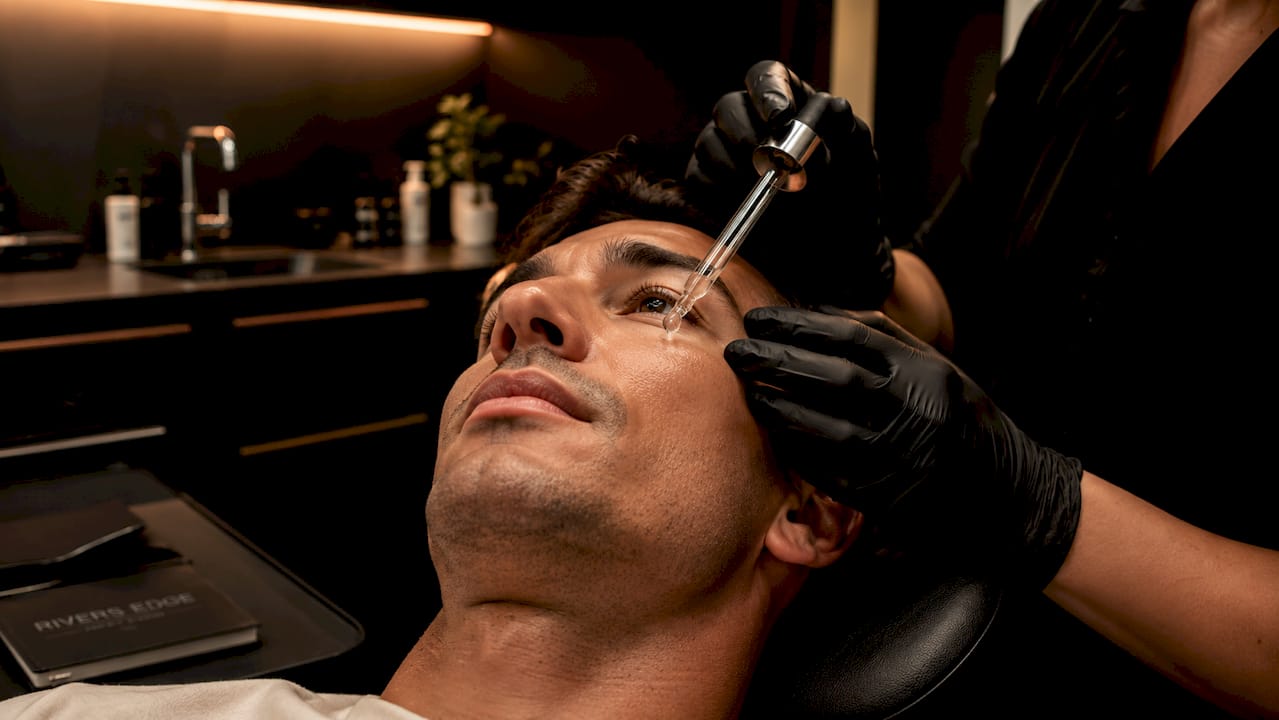
The clinical benefits of glycolic acid peels at concentrations between 20% and 70% include consistent improvements in skin texture and visible radiance within 2–4 weeks. That timeline matters because it sets realistic expectations: this is not an overnight fix, but the results are measurable and progressive.
Key skin concerns that glycolic acid peels address include:
- Fine lines and wrinkles: Regular exfoliation stimulates collagen production, which firms the skin over time.
- Hyperpigmentation and uneven tone: Removing pigmented dead cells reduces the appearance of sun damage and post-acne marks.
- Acne scars: Controlled resurfacing smooths the texture left behind by breakouts.
- Dull, rough skin: Dead cell removal restores the natural reflectiveness of healthy skin.
- Product absorption: A cleared skin surface allows serums and moisturisers to penetrate more effectively.
"Glycolic acid's small molecular size gives it a penetration advantage over other AHAs, making it the most effective surface-renewing acid in routine skincare."
One underappreciated benefit is the cumulative effect. A single peel improves the skin noticeably. A course of treatments, spaced correctly, produces structural changes in the skin that build over months. Men dealing with persistent texture issues or post-shave scarring often find that a series of peels delivers results that no topical product alone achieves.
How do professional glycolic acid peels differ from at-home treatments?
The concentration of glycolic acid is the single biggest difference between professional and over-the-counter treatments. Professional peels use concentrations above 20%, while most products sold for home use contain less than 20%. That gap in strength translates directly into the speed and depth of results.
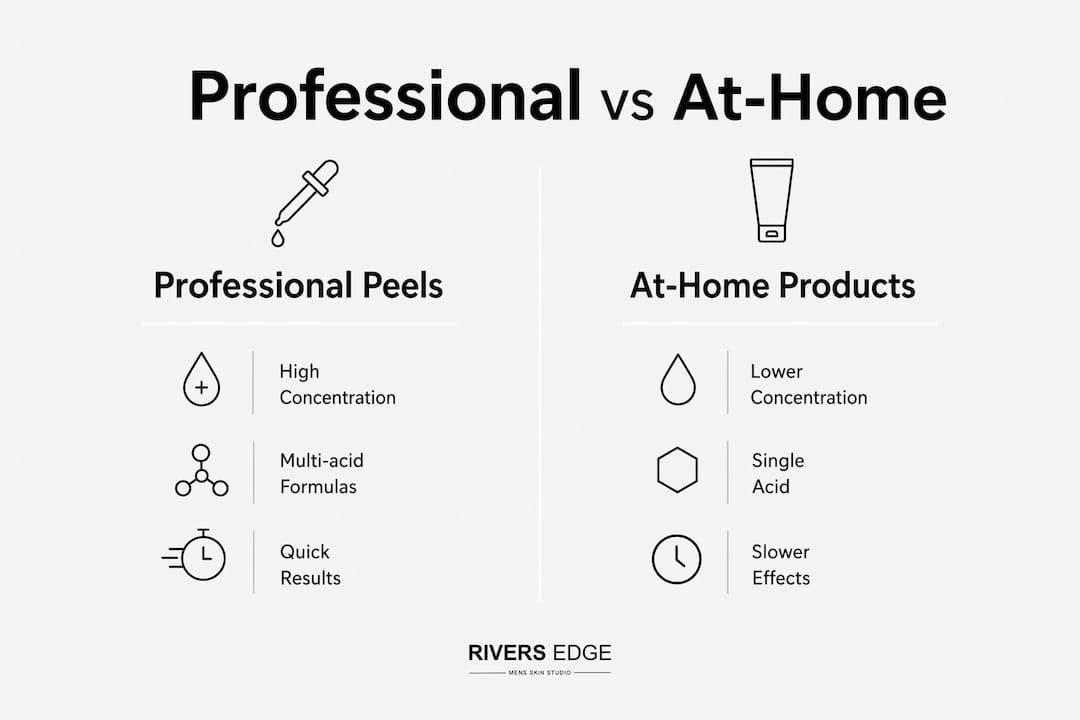
Professional treatments produce quicker, more dramatic effects on persistent concerns such as melasma, deep acne scarring, and significant sun damage. A trained practitioner can address these issues in a course of clinic sessions. Home products, by contrast, generally require months of consistent use before visible change becomes apparent.
| Feature | Professional peel | At-home product |
|---|---|---|
| Glycolic acid concentration | Typically above 20% | Typically below 20% |
| Results timeline | Visible improvement within 2–4 weeks | Gradual change over several months |
| Skin concerns addressed | Persistent, moderate to severe issues | Mild texture and tone maintenance |
| Supervision required | Yes, trained practitioner | No, self-applied |
| Risk level | Higher without proper management | Lower at standard concentrations |
Safety is not determined by concentration alone. pH, buffering, and hydration components within the formulation critically affect both the safety and the outcome of a peel. A high-concentration product with poor buffering can cause unnecessary irritation, while a well-formulated professional blend achieves deep exfoliation with minimal discomfort.
Pro Tip: When comparing professional versus home skincare options, always ask about the pH of the product, not just the percentage. A lower pH increases acid activity significantly, regardless of the stated concentration.
Professional formulations often include multi-acid blends with buffering and hydration elements. These create layered resurfacing effects that balance efficacy with barrier protection, something a standard home product rarely achieves.
What precautions and side effects should you be aware of?
Glycolic acid is well tolerated by most skin types, but side effects are real and worth understanding before starting any treatment. Common side effects include redness, itching, irritation, stinging, and burning sensations. These are typically mild and short-lived at lower concentrations.
Serious risks, including blisters, burns, and infections, are uncommon but more likely with high-concentration professional peels when applied without proper management. This is precisely why trained practitioners matter for stronger treatments.
Key precautions every person should follow:
- Patch test first: Apply a small amount to a discreet area and wait 24 hours before full use.
- Disclose medications: Certain medications, including retinoids and some antibiotics, increase skin sensitivity and must be declared before treatment.
- Disclose skin conditions: Active eczema, rosacea, or open wounds are contraindications for glycolic acid peels.
- Protect from the sun: Glycolic acid increases photosensitivity substantially, making daily SPF 30 or higher non-negotiable, even on overcast days.
- Avoid over-exfoliation: Using glycolic acid too frequently damages the skin barrier, causing persistent redness and sensitivity.
For men with darker skin tones, extra caution is warranted. Post-inflammatory hyperpigmentation is a genuine risk if a peel is applied incorrectly or at too high a concentration without proper assessment.
Pro Tip: Always apply a broad-spectrum SPF the morning after any glycolic acid treatment. Skipping sun protection after a peel is the fastest way to undo the results and risk uneven pigmentation.
A full client consultation guide covers what to disclose before a professional peel, including medication history and previous skin reactions.
How does glycolic acid compare to other exfoliating acids?
Glycolic acid is water soluble and works primarily on the skin surface to refine texture and tone. That property makes it excellent for addressing dullness, uneven skin tone, and surface scarring. It does not penetrate pores in the way that oil-soluble acids do.
Salicylic acid is the most common alternative for men with oily or acne-prone skin. Salicylic acid is oil soluble and targets pores directly, making it better suited for congestion, blackheads, and acne driven by excess sebum. Glycolic acid, by contrast, is the stronger choice for texture refinement, anti-ageing, and brightening.
| Acid | Solubility | Best for | Penetration depth |
|---|---|---|---|
| Glycolic acid | Water soluble | Texture, tone, fine lines, brightness | Surface layers |
| Salicylic acid | Oil soluble | Pore congestion, oily skin, acne | Inside pores |
| Lactic acid | Water soluble | Sensitive skin, mild brightening | Surface layers |
Lactic acid is a gentler AHA that works on the same surface layers as glycolic acid but with less intensity. Men with sensitive or reactive skin often start with lactic acid before progressing to glycolic acid treatments. The choice of acid should always reflect individual skin goals and tolerance, not just what is most popular.
Glycolic acid's small molecular size gives it a penetration advantage over lactic acid, even though both are water soluble. That size difference means glycolic acid delivers more pronounced results at equivalent concentrations.
How to integrate glycolic acid into your skincare routine
Starting slowly is the professional standard for introducing glycolic acid. Dr Angela Wei recommends beginning with once or twice weekly application, increasing frequency only when the skin tolerates it well without redness or irritation.
A practical integration approach follows these steps:
- Start with a low-concentration product: Begin with a product containing 5%–10% glycolic acid to assess your skin's baseline tolerance.
- Apply in the evening: Glycolic acid increases sun sensitivity, so evening application reduces exposure risk.
- Follow with a barrier moisturiser: Apply a hydrating moisturiser immediately after to support the skin barrier.
- Add SPF every morning: Daily sun protection is non-negotiable when using any glycolic acid product.
- Increase frequency gradually: Move from twice weekly to every other day only after four to six weeks of comfortable use.
- Avoid combining with retinoids on the same night: Using both on the same evening increases irritation risk significantly.
- Follow post-treatment care after professional peels: Avoid active ingredients, heavy exercise, and direct sun exposure for at least 48 hours after a clinic treatment.
Men who rush this process by starting at high frequency or combining multiple actives too early are the most common cases of barrier damage seen in clinic. The skin needs time to adapt. Patience at the start produces far better long-term results than an aggressive approach that forces a break in treatment.
For a full guide on post-treatment skincare steps after a professional peel, including what to avoid and when to resume normal products, the aftercare guidance is detailed and specific.
Pro Tip: If you are new to exfoliating acids entirely, read through a men's skincare routine guide before adding glycolic acid. Understanding the basics of layering and timing prevents the most common mistakes.
Key takeaways
A glycolic acid peel is the most clinically supported surface exfoliation treatment available, delivering measurable improvements in texture, tone, and radiance when used at the correct concentration and frequency.
| Point | Details |
|---|---|
| Mechanism of action | Glycolic acid dissolves dead cell bonds to reveal smoother, brighter skin underneath. |
| Concentration matters | Professional peels exceed 20% for faster results; home products stay below 20% for safety. |
| Formulation quality | pH, buffering, and hydration components determine safety and efficacy, not concentration alone. |
| Sun protection is mandatory | Glycolic acid increases photosensitivity; daily SPF is required to prevent hyperpigmentation. |
| Gradual introduction wins | Starting once or twice weekly and building slowly prevents barrier damage and long-term irritation. |
What I have learned from watching men use glycolic acid peels
The biggest mistake I see is men treating concentration as the only variable that matters. They assume a stronger peel equals a better result. The reality is that controlled surface renewal, not maximum acid strength, is what produces consistent, lasting improvement without damaging the skin barrier.
Men with persistent concerns, whether that is acne scarring, sun damage, or deep texture issues, genuinely benefit from professional assessment before choosing a treatment path. A trained practitioner considers skin tolerance, medication history, and formulation architecture together. That combination produces results that a home product simply cannot replicate, regardless of how diligently it is used.
My honest view is that patience is the most underrated part of this process. The men who see the best outcomes are not those who push the hardest. They are the ones who start conservatively, protect their skin consistently, and allow the treatment to work over time. Glycolic acid rewards that approach.
— David
Glycolic acid peels at Riversedgeskinstudio

Riversedgeskinstudio specialises in professional glycolic acid peel treatments designed specifically for men's skin. Every treatment is planned around individual skin tolerance, not a one-size approach, with formulations that balance acid concentration, pH, and hydration support for safe, controlled results. Whether you are dealing with post-shave scarring, uneven tone, or persistent dullness, the clinic's practitioners assess your skin thoroughly before recommending a treatment course. Explore the full range of men's skin treatments at Riversedgeskinstudio and book a consultation to discuss which peel option suits your skin goals.
FAQ
What is a glycolic acid peel used for?
A glycolic acid peel is used to exfoliate the skin surface, improving texture, tone, brightness, and the appearance of fine lines, acne scars, and hyperpigmentation. It works by dissolving the bonds between dead skin cells to reveal fresher skin underneath.
How often should you use a glycolic acid peel?
Start with once or twice weekly and increase frequency only if your skin tolerates it without redness or irritation. Overuse damages the skin barrier and causes persistent sensitivity.
What is the difference between glycolic acid and lactic acid?
Glycolic acid has a smaller molecular size and penetrates the skin surface more deeply than lactic acid, producing more pronounced exfoliation results. Lactic acid is gentler and better suited to sensitive or reactive skin types.
Are glycolic acid peels safe for men with darker skin tones?
Glycolic acid peels can be safe for darker skin tones but require careful concentration management and professional assessment. Without proper guidance, the risk of post-inflammatory hyperpigmentation increases significantly.
Do you need sunscreen after a glycolic acid peel?
Daily SPF 30 or higher is non-negotiable after any glycolic acid treatment, including on cloudy days. Glycolic acid substantially increases photosensitivity, and skipping sun protection risks hyperpigmentation and burns.