
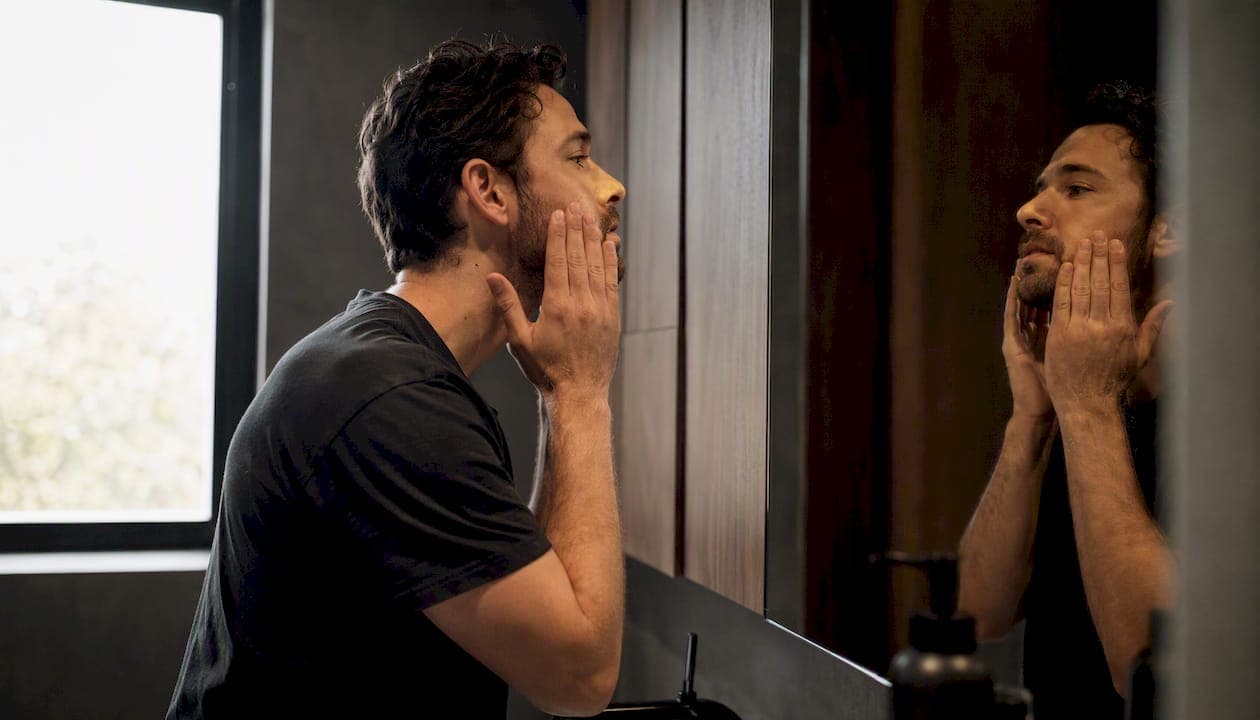
The three things that matter most for maintaining youthful skin long-term are daily broad-spectrum SPF, a simple AM/PM routine you will actually repeat, and consistent lifestyle habits. Get those three right and you are doing more for your skin than any expensive serum ever could.
Here is the short version you can act on today:
- Daily SPF 30+ every morning, regardless of weather. UV exposure is the leading driver of visible ageing, and it accumulates quietly over years.
- A two-step AM routine: gentle cleanse (or a water rinse if your skin is dry), moisturiser, then SPF. In the evening: cleanse, one targeted active such as retinol or niacinamide, moisturiser.
- Lifestyle fundamentals: quality sleep, a balanced diet, regular strength training, and limiting alcohol and smoking. These habits influence how fast your skin ages at a biological level, not just cosmetically.
Results compound over months, not days. A men's skincare routine built on these three pillars will outperform any complex regimen you abandon after a fortnight. When topicals plateau, that is when in-clinic options at Riversedgeskinstudio become worth considering.
Pro Tip: Start with the routine you will actually do every day. A two-step routine done consistently beats a ten-step routine done twice a week.
Key takeaways
Maintaining youthful skin long-term requires daily SPF, a simple AM/PM routine built on evidence-backed actives, consistent lifestyle habits, and periodic clinic maintenance when topicals reach their limit.
| Point | Details |
|---|---|
| Daily SPF is non-negotiable | Apply broad-spectrum SPF 30+ every morning; reapply during prolonged outdoor exposure. |
| Keep the routine simple | Cleanse, moisturise, SPF in the morning; cleanse, one active, moisturise at night. |
| Lifestyle drives biology | Sleep, diet, exercise, and reduced alcohol materially slow visible ageing at a cellular level. |
| Results take months, not days | Retinoid structural changes take 8–12 weeks minimum; clinical collagen remodelling takes 3–4 months. |
| Riversedgeskinstudio offers clinic support | Liverpool-based men's skin clinic providing microneedling, skin boosters, peels, and personalised plans. |
Table of Contents
- What does a daily AM and PM routine look like for men?
- Why is daily sun protection the most important habit?
- Which actives actually work for anti-ageing, and how do you stack them safely?
- Which lifestyle habits give you the biggest return for your skin?
- How does shaving affect your skin, and what should men with beards know?
- When should you consider professional treatments, and what do they actually do?
- How long do results take, and what does ongoing maintenance cost?
- What mistakes slow progress, and when should you see a clinician?
- What Riversedgeskinstudio sees working for men in practice
- Riversedgeskinstudio: men's skin treatments in Liverpool
- Sources
What does a daily AM and PM routine look like for men?
Simplicity is the point. Dermatologists recommend a short, essential routine as the starting point: cleanse, moisturise, and daily SPF. Everything else layers on top once the basics are locked in.
The 2-minute baseline
Morning:
- Rinse with cool water (or use a gentle, non-stripping cleanser if your skin is oily).
- Apply a lightweight moisturiser.
- Apply broad-spectrum SPF 30+ as the final step.
Evening:
- Cleanse to remove SPF, pollution, and sebum.
- Apply your targeted active (niacinamide for oily or congested skin; retinol for anti-ageing once you are ready to introduce it).
- Moisturise.
The 5-minute upgrade
Add a vitamin C serum in the morning after cleansing and before moisturiser. Swap your basic moisturiser for one containing hyaluronic acid or peptides. Two to three evenings per week, use a BHA (salicylic acid) or AHA (glycolic acid) instead of retinol to exfoliate gently.
How to introduce actives without irritation:
- Add one new active at a time. Wait 6–8 weeks before assessing whether it is working and before adding another.
- Start retinol at 2–3 nights per week, then increase frequency gradually over several weeks as your skin adapts.
- Patch test every new product on the inside of your wrist or jaw for 24–48 hours before full application.
- When escalating retinoid frequency, use a richer moisturiser to support the skin barrier.
Male skin is biologically distinct, with a thicker dermis and higher sebum output, which means it often tolerates stronger actives well once introduced correctly. A peer-reviewed review on skincare for men confirms that simplified, performance-focused regimens encourage better adherence and outcomes.
Pro Tip: Apply SPF last in your morning routine and give it 60 seconds to absorb before you leave the house. It does not need to be rubbed in aggressively — a light press is enough.
Why is daily sun protection the most important habit?
UV exposure is the single biggest driver of visible skin ageing. It causes collagen breakdown, uneven pigmentation, and fine lines that accumulate over decades of daily exposure, including on overcast days in the UK. Harvard Health guidance places daily sun protection alongside moisturisation and targeted actives as the standard approach to reducing visible ageing.
Choosing the right sunscreen for UK conditions:
- Oily or combination skin: opt for a gel or fluid formula. These absorb quickly and do not leave a greasy residue under clothing.
- Dry or normal skin: a cream or lotion SPF works well and doubles as a moisturiser in one step.
- All skin types: look for "broad-spectrum" on the label, which confirms UVA and UVB protection.
Application and reapplication rules:
- Apply SPF as the last step in your morning routine, every day, year-round.
- Reapply every two hours during prolonged outdoor exposure (sport, gardening, a day out).
- UVA rays penetrate glass, so window exposure during a commute or at a desk counts. This matters particularly in the UK where men often underestimate indoor UV exposure.
- If you use retinoids or AHAs in your evening routine, daily SPF is non-negotiable. These actives increase photosensitivity, and skipping SPF while using them will undo their benefits.
Pro Tip: A moisturiser with built-in SPF 30 is a perfectly valid shortcut for the mornings when time is tight. It is not as protective as a dedicated sunscreen, but it is far better than nothing.
Which actives actually work for anti-ageing, and how do you stack them safely?
The evidence-backed actives are a short list. You do not need all of them at once.
The key actives, plainly explained
Retinoids / Retinol The most studied topical anti-ageing ingredient. Retinol stimulates collagen production and accelerates cell turnover, reducing fine lines and improving skin texture over time. Start at a low concentration (0.1–0.3%) two to three nights per week. Expect some initial dryness or flaking — that is normal and settles within a few weeks. Men in their 30s and beyond benefit most, though starting earlier is not harmful. Clinical guides recommend layering retinol and vitamin C according to age and skin type once the basics are established.
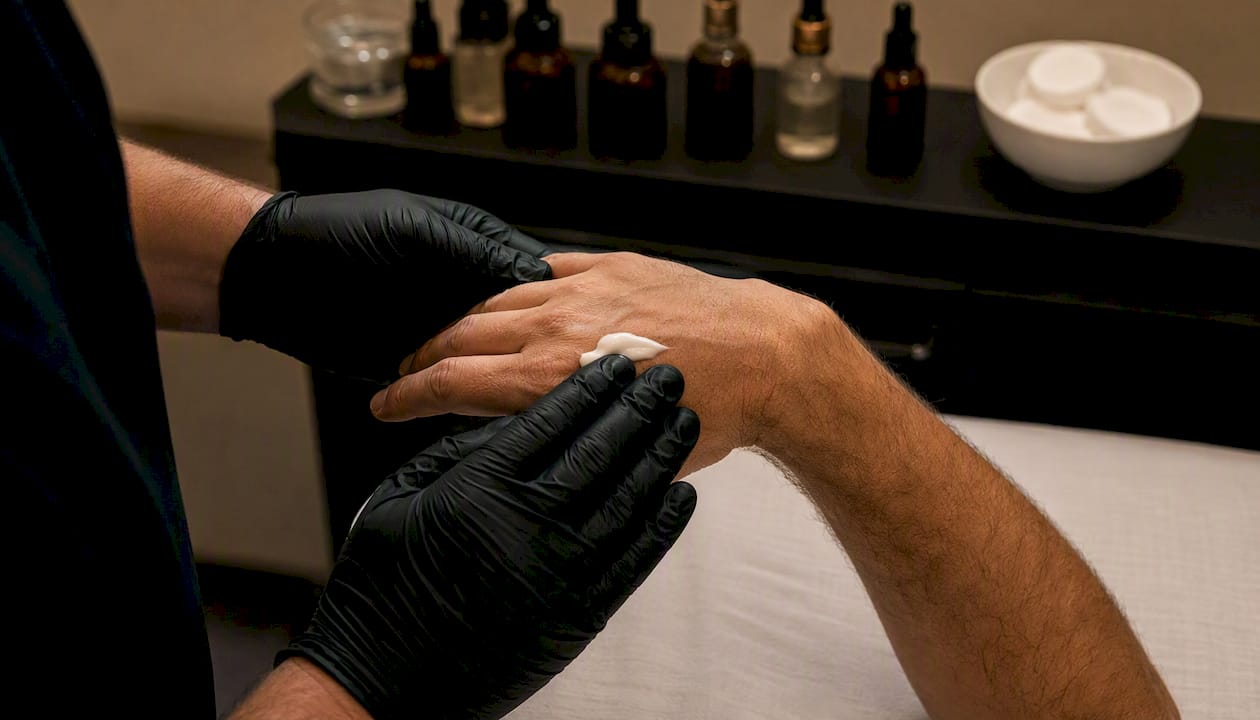
Vitamin C An antioxidant that protects against UV-induced free radical damage and brightens uneven tone. Use it in the morning, before moisturiser and SPF. L-ascorbic acid is the most studied form; look for concentrations of 10–20%. It pairs well with SPF and enhances its protective effect.
Niacinamide Reduces redness, controls sebum, and strengthens the skin barrier. Highly tolerable, making it a good first active for men new to skincare. Works well morning or evening and pairs with almost everything.
Hyaluronic Acid A humectant that draws moisture into the skin. It does not treat ageing structurally, but it keeps skin plump and comfortable, which makes other actives easier to tolerate. Apply to slightly damp skin for best absorption.
AHAs and BHAs AHAs (glycolic acid, lactic acid) exfoliate the skin surface and improve texture. BHAs (salicylic acid) penetrate pores and suit oily or acne-prone skin. Use either 1–2 times per week in the evening, not on the same night as retinol.
Peptides Signal proteins that support collagen synthesis. They take weeks to months to show structural benefit, but they are well tolerated and complement retinoids without irritation.
Safe stacking rules
- Morning: vitamin C serum, then moisturiser, then SPF. Do not mix vitamin C with niacinamide in the same application step if your skin is sensitive — use one in the morning and one in the evening.
- Evening: retinol or AHA/BHA (not both on the same night), then moisturiser.
- Never use a strong AHA and retinol on the same evening. Alternate them across the week instead.
- When using retinoids, always apply SPF the following morning.
Chemical exfoliation over physical scrubs. Physical scrubs with granules create micro-tears in the skin and are particularly harsh on skin that is already sensitised by retinoids. A BHA or AHA delivers more consistent, controlled exfoliation. For men who shave regularly, this is especially relevant — the razor already exfoliates mechanically, so adding a chemical exfoliant 1–2 times per week is usually sufficient.
Pro Tip: If retinol causes persistent irritation, try the "sandwich method": apply moisturiser first, then retinol on top, then moisturiser again. It reduces the delivery rate and cuts down on dryness.
Which lifestyle habits give you the biggest return for your skin?

Lifestyle is not a soft add-on to a skincare plan. Longevity experts rate practical habits — quality sleep, reduced ultra-processed food, less alcohol, and strength training — as higher value than expensive biohacks for staying healthier and looking younger. Your skin reflects what is happening inside your body, and no topical product compensates for chronic sleep deprivation or a poor diet.
The habits with the clearest evidence for skin health:
- Sleep 7–9 hours. During deep sleep, the body produces growth hormone and repairs cellular damage. Chronic short sleep raises cortisol, which breaks down collagen and worsens inflammation.
- Mediterranean-style diet. Prioritise vegetables, oily fish, olive oil, legumes, and whole grains. This pattern reduces systemic inflammation, which is one of the primary mechanisms of accelerated skin ageing. Limit added sugar, which drives glycation and stiffens collagen fibres.
- Strength training and Zone 2 cardio. Regular exercise improves circulation, reduces inflammatory markers, and supports hormonal balance. Research on men's health and exercise consistently links physical activity with slower visible ageing.
- Reduce alcohol. Alcohol dehydrates the skin, dilates blood vessels, and disrupts sleep quality. Even moderate reductions make a visible difference over weeks.
- Quit smoking. Smoking accelerates collagen degradation and causes characteristic perioral lines. It is one of the most significant modifiable drivers of premature skin ageing.
- Manage stress. Chronic stress elevates cortisol, which suppresses collagen synthesis and worsens conditions like acne and eczema.
Implementation tip: habit stacking works well here. Attach a new habit to one you already do. Drink a glass of water when you make your morning coffee. Do ten minutes of walking after lunch. Small, consistent changes compound over months in the same way a skincare routine does.
Pro Tip: Clinicians often assess biological age markers such as skin elasticity and pigmentation distribution as proxies for overall lifestyle health. If your skin looks older than your age, it is usually a signal worth investigating beyond topicals.
Lifestyle choices account for a significant proportion of how fast a man shows visible ageing. Addressing sleep, diet, and exercise is not optional — it is the foundation the rest of the plan sits on.
How does shaving affect your skin, and what should men with beards know?
Shaving is a form of mechanical exfoliation. Done well, it keeps skin smooth and allows actives to penetrate more evenly. Done poorly, it creates chronic low-grade inflammation that accelerates barrier damage and speeds up visible ageing.
Shaving technique to protect your skin:
- Use a pre-shave oil or a hydrating shaving gel to soften the hair and reduce friction.
- Shave with the grain on the first pass. Going against the grain increases the risk of ingrown hairs and razor burn, particularly on the neck.
- Rinse with cool water after shaving to close pores and reduce redness.
- Apply a fragrance-free post-shave moisturiser immediately. Avoid alcohol-based aftershaves, which strip the barrier and cause transient stinging that accumulates as chronic irritation over time.
If you use retinoids or have had a recent in-clinic treatment: avoid shaving over treated skin for at least 24–48 hours. The skin barrier is temporarily compromised, and a razor will worsen irritation.
For men with beards:
- The skin beneath a beard is prone to dryness, flaking, and folliculitis if neglected. Cleanse the beard area thoroughly and apply a lightweight moisturiser or beard oil to the skin underneath.
- Applying actives like niacinamide or vitamin C serum to bearded areas is straightforward — work the product into the skin beneath the hair with fingertips.
- Retinol can be applied to bearded skin, but start slowly and monitor for irritation at the hair follicle level.
- Patch test new products along the beard line, not just on clear skin, as the follicular environment can react differently.
Male skin is thicker and produces more sebum than female skin, which generally means better tolerance of stronger actives and a lower baseline sensitivity. However, it also means oilier skin types may need a lighter moisturiser and a BHA rather than a richer cream. Understanding your skin type is the starting point for getting product selection right.
Pro Tip: If you shave daily and use retinol, consider applying retinol only on evenings before rest days from shaving. This reduces cumulative barrier stress significantly.
When should you consider professional treatments, and what do they actually do?
Topical products maintain and protect. In-clinic treatments address structural changes that no serum can reverse: collagen loss, volume depletion, and deep dynamic lines. The right time to consider clinic care is when your home routine is consistent and you want to go further, or when you notice changes that topicals are not addressing after several months.
Professional treatments worth knowing about:
- Microneedling: creates controlled micro-injuries that trigger collagen and elastin production. Effective for skin texture, fine lines, enlarged pores, and early scarring. Results build over several sessions, with visible improvement typically appearing 4–6 weeks after a course.
- Skin boosters (polynucleotides / HA injections): injectable treatments that hydrate deeply, improve skin quality, and stimulate tissue regeneration. Polynucleotides are particularly suited to men wanting structural skin improvement without altering facial shape. A guide to skin booster injections for men explains the options in detail.
- Chemical peels: controlled exfoliation using acids (glycolic, lactic, TCA) to resurface the skin, reduce pigmentation, and improve tone. Superficial peels have minimal downtime; medium-depth peels require a few days of recovery.
- Botulinum toxin (anti-wrinkle injections): relaxes dynamic muscles to soften expression lines (forehead, crow's feet, frown lines). Results typically last 3–4 months. Natural-looking outcomes depend heavily on practitioner skill and conservative dosing.
- Hyaluronic acid fillers: restore volume in areas such as the under-eye, cheeks, or jawline. Results are immediate and last 9–18 months depending on the area and product used.
Early, regular maintenance produces better long-term returns than waiting for deep lines to form. A man who starts a quarterly skin booster at 38 will maintain better skin quality at 50 than one who waits until 48 and then tries to reverse significant volume loss.
Who benefits most from each approach:
- Microneedling suits men with textural concerns, early lines, or post-acne scarring.
- Skin boosters suit men wanting improved skin quality and hydration without visible change to facial structure.
- Chemical peels suit men with uneven tone, sun damage, or congested skin.
- Anti-wrinkle injections suit men with established dynamic lines who want a refreshed, natural look.
- Fillers suit men with noticeable volume loss, particularly around the mid-face or jawline.
Maintenance rhythms: microneedling typically requires a course of 3–4 sessions initially, then one to two maintenance sessions per year. Skin boosters are often done as a course of two to three sessions, then maintained every six months. Anti-wrinkle injections require repeat treatment every 3–4 months to maintain effect.
Pro Tip: Optimise your topical routine before booking clinic treatments. Controlled inflammation and a healthy skin barrier improve procedural outcomes and reduce recovery time.
How long do results take, and what does ongoing maintenance cost?
Realistic timelines prevent frustration and keep you consistent. Here is what to expect:
- Hydration improvements (hyaluronic acid, moisturiser): 2–4 weeks of consistent use.
- Antioxidant and niacinamide benefits (tone, redness, sebum control): 6–8 weeks.
- Retinoid structural changes (fine lines, texture, collagen stimulation): 8–12 weeks minimum, with continued improvement over six months.
- Clinical collagen remodelling (microneedling, skin boosters): visible improvement typically begins 4–6 weeks after a session, with full results from a course apparent at 3–4 months.
Evidence-based guidance for men over 30 confirms that a focused routine plus periodic clinic procedures delivers higher long-term value than elaborate consumer regimens alone.
Maintenance shape for most men:
- Daily home routine: cleanse, moisturise, SPF (AM); cleanse, active, moisturise (PM). This is a daily commitment of under five minutes.
- Weekly: gentle chemical exfoliation 1–2 times.
- Quarterly or biannually: a clinic review or maintenance treatment such as a skin booster or microneedling session, depending on your goals.
Cost framing (UK context): a solid home routine using evidence-backed products costs roughly £30–£60 per month depending on brands chosen. A single in-clinic treatment such as a HydraFacial or chemical peel typically ranges from £80–£200 per session at a specialist men's clinic. Skin boosters and microneedling courses sit higher. The value is in the maintenance cadence, not one-off treatments.
Reassess your routine every six months. Skin type and needs shift with age, season, and hormonal changes. What works at 35 may need adjusting at 45. Skincare results vary for men for reasons including genetics, lifestyle, and product adherence, so periodic reassessment keeps the plan working.
The biggest mistake men make is expecting results in two weeks and abandoning a routine that would have worked in twelve.
What mistakes slow progress, and when should you see a clinician?
Most men who are not seeing results are making one of a small number of predictable errors.
Common mistakes:
- Over-exfoliating. Using a physical scrub daily, a BHA three times a week, and retinol every night simultaneously is too much. The skin barrier becomes compromised, leading to redness, sensitivity, and paradoxically more visible pores. Limit exfoliation to 1–2 times per week.
- Skipping SPF when using retinoids or AHAs. These actives increase photosensitivity. Using them without daily SPF accelerates the very damage you are trying to reverse.
- Mixing strong actives without ramping up. Introducing vitamin C, retinol, and a BHA in the same week is a recipe for irritation. One active at a time, with 6–8 weeks between introductions.
- Chasing expensive single products instead of consistency. A £15 retinol used every night outperforms a £120 "miracle serum" used twice a month.
- Neglecting lifestyle. No topical routine compensates for chronic sleep deprivation, heavy alcohol use, or smoking. See the men's guide to preventing premature skin ageing for a fuller breakdown.
Red flags that warrant a clinician review:
- Persistent redness or irritation lasting more than two weeks after introducing an active.
- Sudden pigmentation changes, new moles, or lesions that change in size or colour. These require a GP or dermatologist assessment, not a skincare adjustment.
- Signs of infection after an in-clinic procedure: increasing warmth, swelling, or discharge beyond 48 hours.
- Severe flaking or a compromised skin barrier that does not resolve with a simplified routine and richer moisturiser within two weeks.
Riversedgeskinstudio can assess persistent skin concerns and recommend whether a topical adjustment or a clinical intervention is the appropriate route.
What Riversedgeskinstudio sees working for men in practice
Consistency beats complexity. That is the single most consistent observation from working with male clients. The men who see the best long-term results are not using the most products. They are using the right ones, every day, and combining that with periodic clinic maintenance.
Men often underuse SPF and overestimate what a single treatment session can achieve. A HydraFacial or a course of microneedling delivers real structural benefit, but it works best when the home routine is already solid. Clinic treatments are not a substitute for daily habits. They are an amplifier.
The most effective plan for most men looks like this: a consistent morning and evening routine built around cleansing, SPF, and one or two targeted actives, combined with seasonal clinic reviews. For many clients, that means a skin booster or microneedling session once or twice a year, with anti-wrinkle injections as needed. That cadence maintains skin quality over years without requiring dramatic interventions later.
Men who start clinic maintenance in their 30s or early 40s consistently maintain better skin quality into their 50s than those who wait. The structural work done early, when collagen reserves are still reasonable, produces results that are far easier to sustain.
Riversedgeskinstudio: men's skin treatments in Liverpool
Riversedgeskinstudio is a specialist men's skin clinic in Liverpool offering treatments designed specifically for male skin, with results-driven outcomes and no unnecessary complexity.

Services available for men include microneedling, skin boosters (polynucleotides), chemical peels, anti-wrinkle injections, HydraFacials, and bespoke treatment plans that combine home routine guidance with in-clinic care. Hair loss treatments and intramuscular vitamin injections are also available for men looking at broader wellness goals.
A first consultation at Riversedgeskinstudio starts with an honest assessment of your skin, your current routine, and your goals. There is no pressure to book multiple treatments. The focus is on building a plan that works for your skin and your life.
Book your consultation and view all men's skin treatments online. Appointments are available now.
Sources
The following sources informed this plan and are worth reading for deeper context:
- Skincare regimens for men: medical‑grade solutions — DOI
- Skin care for ageing skin: Minimizing age spots, wrinkles and under‑eye bags — Harvard Health
- What Is the Ideal Skincare Routine for Men? 2 top dermatologists weigh in | Vogue
- The longevity shift: the science‑backed habits that could help men age better | Men's Fitness