
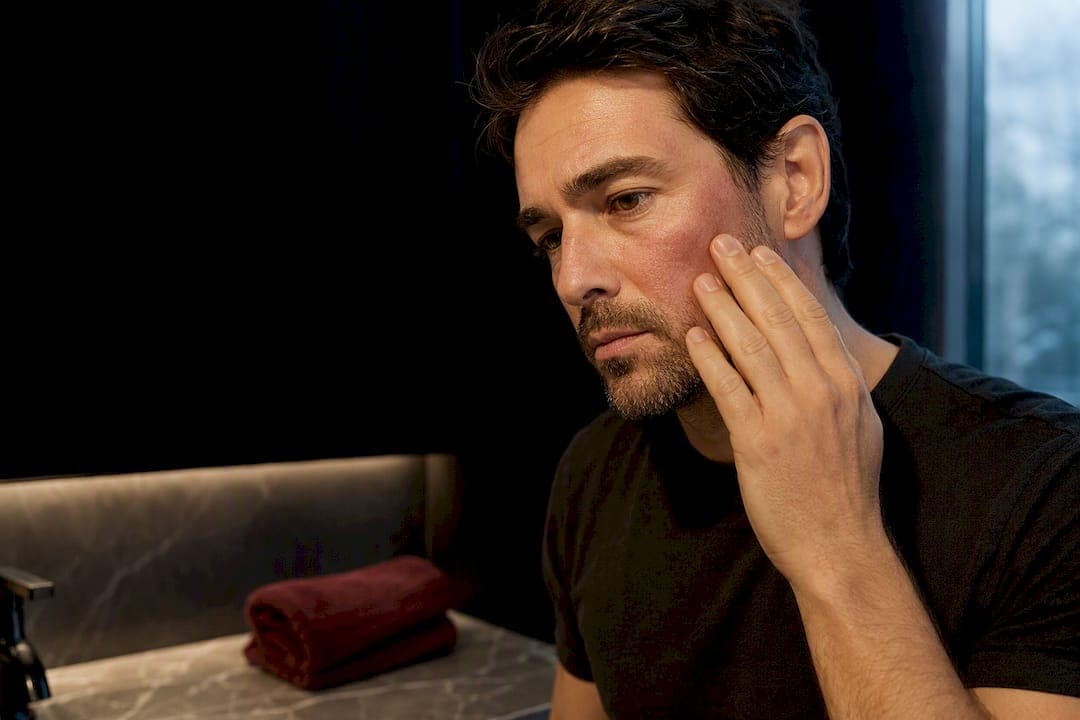
Most men see visible redness and swelling fade within 24 to 72 hours after standard microneedling, though deeper or RF-assisted sessions can extend that to several days. That surface healing is only half the story. Collagen remodelling, the process behind the actual skin improvement, continues quietly for weeks to months after your skin looks normal again.
TL;DR:
- Deeper or RF-assisted microneedling treatments can extend visible redness and swelling beyond 72 hours, with full collagen remodelling taking several weeks.
- Avoid touching your face, hot showers, alcohol, exercise, and makeup for at least 24 to 48 hours post-treatment to minimize infection risk and irritation.
- Surface redness typically peaks on treatment day and begins fading within two days, but true skin improvements may not appear until weeks later.
- Spacing microneedling sessions four to six weeks apart optimizes collagen remodelling, ensuring results are not blunted by premature repeat treatments.
- Signs of complications include worsening pain, spreading redness, discharge, or fever, requiring prompt consultation rather than waiting for natural resolution.
Table of Contents
- What to expect in the hours after treatment
- How does the healing timeline unfold, day by day?
- What makes recovery faster or slower?
- Your first week of aftercare, simplified
- When do results actually show up?
- What warning signs mean you should call your clinic?
- How Rivers Edge Skin Studio approaches downtime for men
- A word on setting realistic expectations
- Ready to book your microneedling session?
- Sources
What to expect in the hours after treatment
Straight off the treatment bed, your skin will look flushed, feel warm, and sit tight, a bit like windburn after a day outdoors. Some men notice tiny beads of clear fluid on the skin in the first hour. That's a normal part of the healing response, not a sign anything has gone wrong.
The StatPearls clinical overview of microneedling describes this as transient erythema and mild oedema, which typically settles within 24 to 72 hours as the skin's barrier starts repairing itself. In the first hour, your practitioner will usually apply a hyaluronic acid serum followed by a fragrance-free barrier cream to calm the skin and lock in moisture while those microchannels close.
What you do that evening matters more than most men expect.
- Keep your hands off your face. Touching or picking reintroduces bacteria to open channels.
- Skip hot showers and steam for the first night. Heat aggravates the flush and can worsen swelling.
- Sleep on a clean pillowcase. A used one carries oil and bacteria you don't want near fresh skin.
- Avoid alcohol and intense exercise the evening of treatment, since both raise facial blood flow and prolong redness.
- Leave makeup off entirely until the following day at the earliest.
Pro Tip: Keep a travel-size fragrance-free moisturiser in your bag or car. If your skin starts feeling tight a few hours after treatment, a light reapplication beats leaving it dry until you get home.
Postoperative infection is rare when hygiene is respected in these first hours, according to DermNet NZ's clinical guidance on skin needling, because the microchannels created by the needles close over quickly. Dryness, mild scaling, and lingering redness can still show up over the following days depending on how deep the treatment went.
How does the healing timeline unfold, day by day?
Downtime rarely follows a straight line. Expect a fairly predictable arc, though individual healing speed varies.
- Day 0 (treatment day): Redness peaks within the first few hours, alongside warmth and tightness. Apply your barrier cream, avoid touching your face, and go to bed without makeup.
- Day 1 to 2: Redness usually starts fading, though some men see mild swelling or light flaking as the surface renews itself. Most providers say makeup is safe from around 24 to 48 hours, provided there's no visible channel or broken skin left.
- Day 3 to 7: This is when most surface signs resolve and men start feeling presentable for work or social plans without needing to explain their skin to anyone. Light residual pinkness is common but easy to cover if needed.
- Weeks 2 to 6: Nothing dramatic shows on the surface, but this is the real work phase. Collagen remodelling ramps up underneath, and early texture improvements, tighter pores, smoother tone, start becoming noticeable around this window.
The gap between weeks 1 and 6 catches a lot of men off guard. You'll look fine long before your skin has actually finished rebuilding itself.
What makes recovery faster or slower?
Downtime isn't fixed. Several variables change how long you'll be dealing with visible effects, and knowing which ones apply to you helps set realistic expectations.
- Needle depth and device type. A superficial home roller barely disturbs the skin and might cause redness for under two days, while a clinical motorised pen used at depth produces a stronger, longer response.
- Radiofrequency or thermal energy. Adding RF to microneedling introduces heat injury on top of the mechanical punctures, which typically prolongs inflammation and pushes visible recovery out to several days rather than one or two.
- Treatment area. Skin around the eyes swells more readily than the cheeks or jawline, and scalp treatments behave differently again because of hair follicle density and thicker skin.
- Medications and lifestyle. Isotretinoin use, blood-thinning medication, smoking, and recent sun exposure can all slow healing or increase the risk of complications, so flag these during your consultation.
Your first week of aftercare, simplified
The products you use in the first 72 hours matter almost as much as the treatment itself. Keep it simple: cleanse with water or a gentle, fragrance-free cleanser, follow with a medium-weight hyaluronic acid serum, then seal it in with a barrier cream. Sunscreen of SPF 30 or higher every morning isn't optional, since freshly treated skin is far more reactive to UV damage than usual.
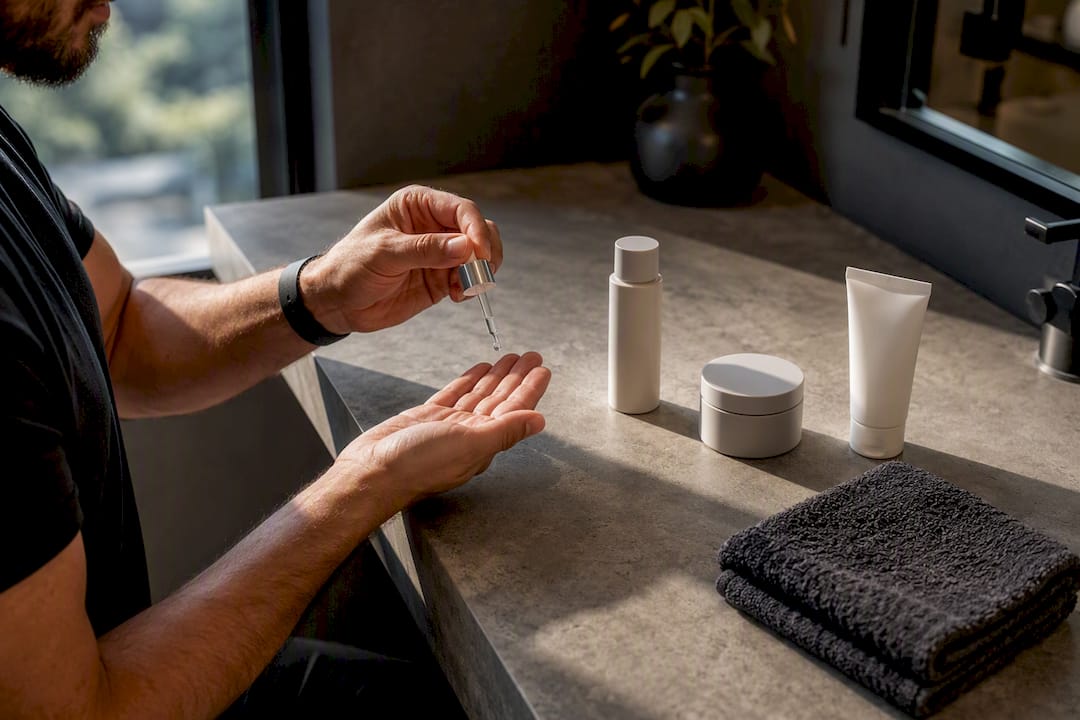
What to leave alone matters just as much. Retinoids, low-pH vitamin C, and AHA or BHA exfoliants should stay off your skin for at least 48 to 72 hours, a window dermatology-backed aftercare guidance consistently recommends. Heavy makeup, pools, saunas, and sweaty gym sessions are best avoided for the first 24 to 48 hours too, since sweat and chlorine both irritate healing skin and raise infection risk.
Once you're past that initial window, reintroduce actives slowly rather than all at once:
- Vitamin C: wait 48 to 72 hours, then patch-test on a small area before full application.
- Retinoids and AHAs/BHAs: hold off for a full 72 hours minimum, longer if your skin still feels sensitive.
- Fragranced or heavily active skincare: give it an extra day or two beyond the above, just to be safe.
Pro Tip: If you're unsure whether your skin is ready for an active ingredient again, apply it to a small patch behind your ear or jawline first. Irritation there is a lot easier to manage than irritation across your whole face.
Basic hygiene discipline does more to prevent problems than any product. Keep your hands off your face, use a clean pillowcase for at least a few nights, and never share towels or applicators during the healing window. A step-by-step aftercare guide can help if you want a printable routine to follow through the first week, and it's worth reviewing common aftercare mistakes before your first session so you're not learning them the hard way.
When do results actually show up?
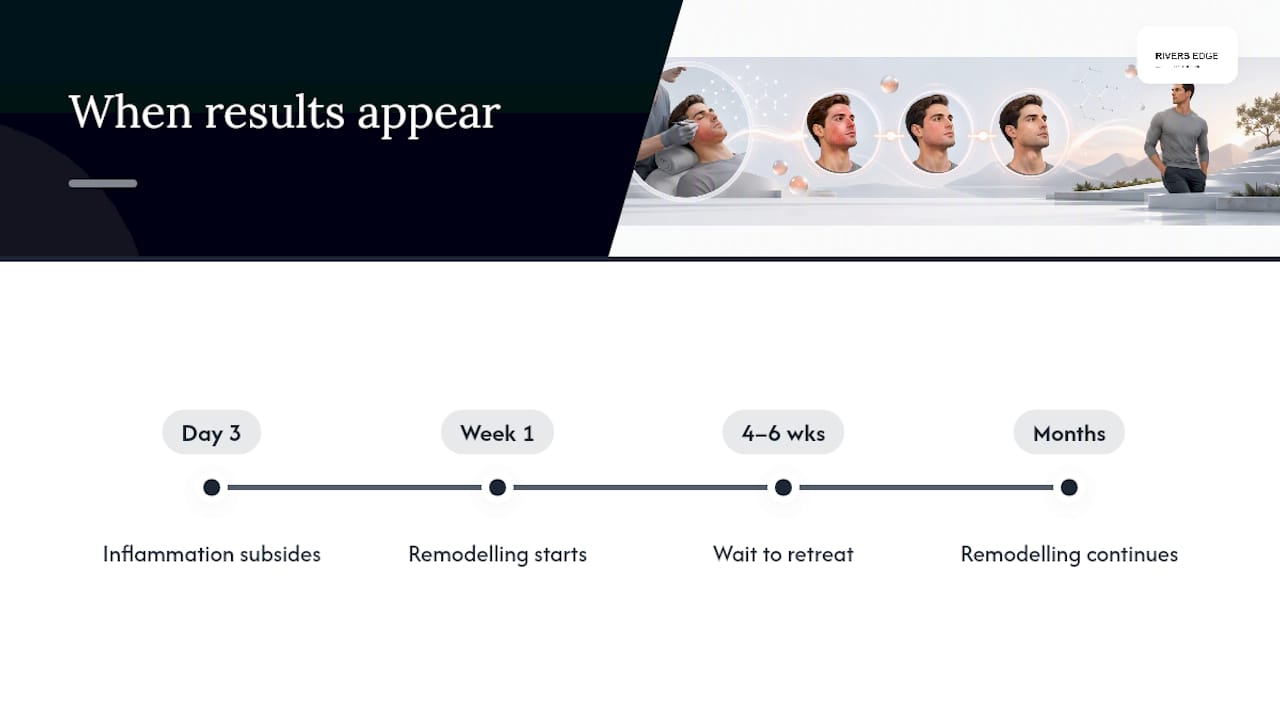
What you see in the mirror on day 3 isn't the finished product. It's mostly inflammation settling down, not the treatment's real effect. The genuine work, dermal collagen remodelling, starts within days but keeps building for weeks to months, with new collagen production typically peaking several weeks after treatment as fibroblasts respond to the micro-injuries created by the needles.
That's also why spacing between sessions matters more than most men assume. Booking another round too soon interrupts remodelling that hasn't finished, which blunts your results rather than accelerating them. Most clinical guidance recommends spacing microneedling sessions four to six weeks apart, giving each round of remodelling room to complete before the next round of micro-injury begins.
What warning signs mean you should call your clinic?
Most healing hiccups, mild flaking, patchy redness, slight tenderness, resolve on their own. A smaller set of signs mean you shouldn't wait it out.
- Pain that's getting worse rather than easing off
- Redness spreading beyond the treated area rather than fading
- Pus or yellow/green discharge from any point on the skin
- Fever, chills, or generally feeling unwell
If any of these show up, stop applying topicals other than a gentle cleanser, keep the area clean, and contact your clinic promptly rather than waiting to see if it settles.
How Rivers Edge Skin Studio approaches downtime for men
Every session starts with numbing, strict hygiene protocols, and an immediate barrier application designed to shorten the redness window before you've even left the chair. In our experience, facial treatments and scalp sessions heal at noticeably different paces, and bearded skin needs its own approach entirely. Facial hair traps product and debris more easily than clean-shaven skin, so we adjust moisturiser choice and give specific grooming guidance for bearded and scalp treatment areas to avoid clogging follicles during healing. Men's skin also tends to be thicker and oilier than women's, which changes how it responds to both the treatment and the aftercare routine that follows.
A word on setting realistic expectations
Microneedling downtime is shorter and more manageable than most men expect going in. The redness is temporary, the discomfort is minor for most people, and the real payoff, tighter texture and better tone, arrives on a slower schedule than your Instagram feed suggests. Ask your practitioner plenty of questions before you book, and don't be shy about flagging any medication or skin history that might change your recovery. Good aftercare isn't complicated. It just needs to be consistent.
— David
Ready to book your microneedling session?
We offer a men's-specific microneedling protocol built around exactly the recovery timeline covered above, without the guesswork of a one-size-fits-all treatment plan borrowed from a general aesthetics clinic. This means numbing and hygiene steps calibrated for thicker, oilier male skin, and aftercare advice tailored for beard growth and scalp density rather than generic instructions.

A consultation covers your skin history, medication use, and treatment goals before anything is scheduled, helping to set clear expectations about depth, downtime, and cost. If diet and skin health are also on your radar, an anti-aging nutrition guide is worth a read alongside your treatment plan. When you're ready to see what a tailored plan looks like for your skin, browse our full range of men's skin treatments and book a consultation directly through the site.
This article is general information, not a substitute for advice from a qualified doctor. Consult a qualified healthcare professional about your own circumstances before acting on anything here.
Sources
- Microneedling - StatPearls - NCBI Bookshelf
- Skin needling – DermNet NZ
- What To Use After Microneedling at Home: A Derm’s Guide
- Microneedling aftercare – Healthline
- Microneedling Recovery Time – What Science Really Says?