
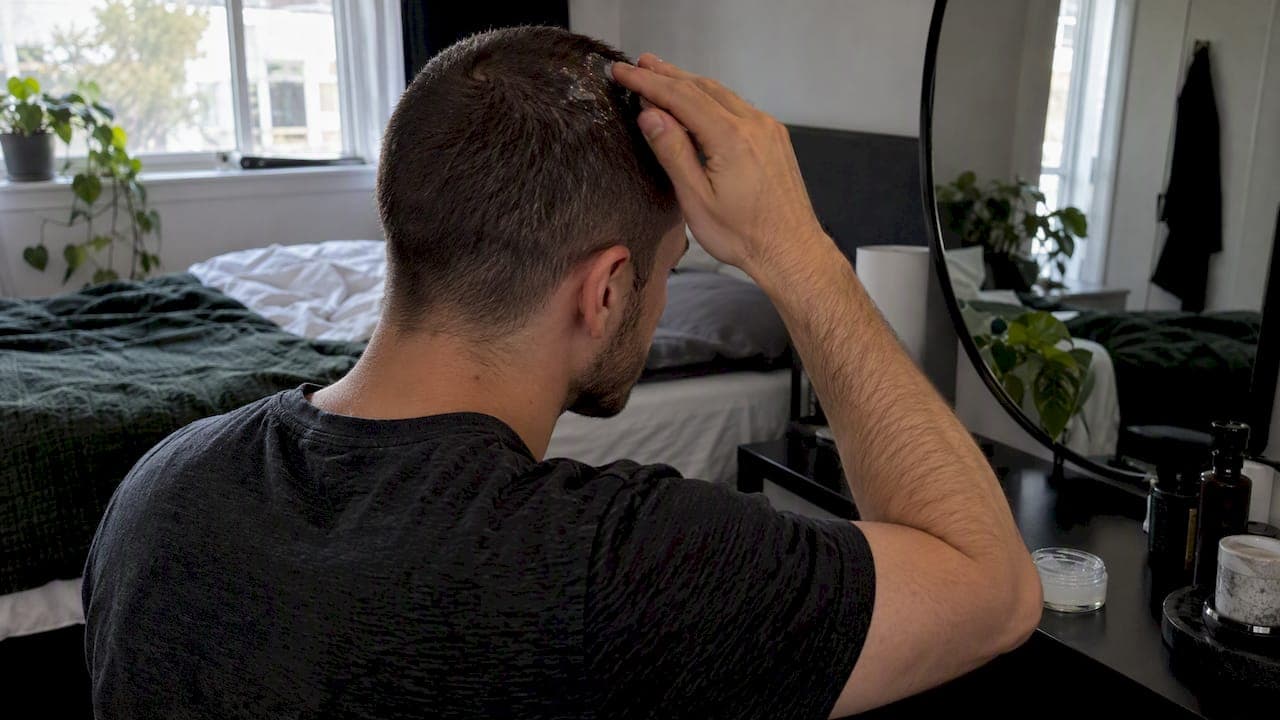
For the first 24 hours after scalp microneedling, use only the cooling gel your clinic gives you and leave the area alone: no washing, no products, no touching. Avoid sweating, sun and swimming for 72 hours. Watch for spreading redness, pus or fever, and call your clinic if you see any of them.
TL;DR:
- Applying the clinic-supplied gel immediately after treatment and avoiding washing or touching the scalp for the first 24 hours minimizes infection risk and promotes proper healing.
- Gentle hair washing can usually start after 24 hours, using lukewarm water and light pressure, while avoiding active ingredients and vigorous scrubbing during the first week.
- Applying minoxidil should be delayed 24 to 48 hours post-treatment to prevent irritation, with specific timing dependent on additional treatments like PRP or serums.
- Heavy exercise, hot environments, swimming, and sun exposure should be avoided for at least 72 hours until the scalp heals, to reduce irritation and infection risk.
- Signs of complications include spreading redness, swelling, pus, fever, or pigmentation change, which require prompt consultation with your clinic or doctor.
Table of Contents
- First 24 to 48 hours: step-by-step checklist
- Days 2 to 7: gentle cleansing, moisturising and what to expect
- Topicals and actives: minoxidil, PRP and serum timing
- Activities and exposures to avoid, and when it's safe to resume them
- Warning signs and when to contact your clinic or GP
- Clinic evidence and what Rivers Edge Skin Studio recommends
- What clinicians want patients to remember afterwards
- How Rivers Edge Skin Studio supports scalp microneedling patients
- Sources
- FAQ
First 24 to 48 hours: step-by-step checklist
The first day sets the tone for how well your scalp heals. Your skin has hundreds of tiny channels open across the treated area, and what you do in these early hours determines whether it heals cleanly or invites trouble.
Patient guidance from Chelsea and Westminster Hospital NHS Foundation Trust recommends applying the supplied gel straight after treatment and avoiding hot water, saunas or swimming for a full 72 hours. Here is the order to follow.
- Apply the clinic-supplied gel as soon as you get home, then reapply as instructed, usually every few hours.
- Leave your scalp alone for 24 hours: no shampoo, no styling products, no serums.
- Sleep on a clean pillowcase to reduce the chance of introducing bacteria to the treated skin.
- Keep your hands off your scalp. Scratching or picking at pinpoint scabs can cause scarring or infection.
- Use a cold pack (wrapped, never direct) or simple paracetamol if there is discomfort.
Mild pinpoint bleeding, tightness and redness are normal straight after treatment. The NHS leaflet notes that redness typically improves within one to three days, and any tenderness usually responds well to simple analgesia. If you notice small spots of dried blood on your pillow the next morning, that is expected rather than a cause for concern.
Pro Tip: Set a phone reminder for gel reapplications on day one. It is easy to forget, and consistent application in the first 24 hours matters more than anything you do afterwards.
Days 2 to 7: gentle cleansing, moisturising and what to expect

Once the first 24 hours have passed, you can usually start reintroducing gentle hair washing, though the exact timing depends on your clinic's written protocol. Some allow washing after 24 hours, others prefer you to wait longer, particularly if PRP or polynucleotides were used alongside the microneedling.
When you do wash, keep it simple and unhurried.
- Use lukewarm water, never hot, since heat increases irritation and can prolong redness.
- Apply shampoo with your fingertips only, using light pressure rather than scrubbing.
- Pat the scalp dry with a clean towel instead of rubbing it.
- Continue a simple, fragrance-free moisturiser several times a day once the 24-hour mark has passed.
- Skip anything with active ingredients: retinoids, acids, strong alcohols or heavily fragranced products all have the potential to sting freshly treated skin.
Flaking often appears around days three to five as the microchannels close over and the surface skin renews itself. This is a normal part of the healing process, not a sign that something has gone wrong. Some men also notice mild, temporary shedding in the days following treatment. This is a known and usually short-lived response as hair follicles adjust, and it should not be confused with the treatment failing. If shedding continues well beyond a week or seems unusually heavy, mention it at your next check-in rather than assuming it will resolve on its own.
Topicals and actives: minoxidil, PRP and serum timing

If you use minoxidil, the timing of your first application after microneedling matters more than most people expect. Applying it immediately after treatment is considered off-label, and many clinicians advise waiting 24 to 48 hours before restarting it. This gap gives the skin barrier time to begin closing over the microchannels, which reduces the amount of active ingredient absorbed too quickly and lowers the risk of irritation.
A clinical study reviewing microneedling combined with minoxidil for androgenetic alopecia in men used a similar approach, withholding topical minoxidil for 24 hours after each needling session as part of the treatment protocol.
Microneedling combined with 5% minoxidil produced measurable hair-count improvements over the course of treatment, assessed several months after the sessions were completed. Study on microneedling and minoxidil for androgenetic alopecia, PMC
If your treatment included PRP or clinic-applied serums rather than a simple gel, the rules change again. These require you to follow your clinic's specific written protocol rather than general guidance, since the products themselves can affect how soon you should reintroduce other actives. Read more on how microneedling and minoxidil work together for a fuller picture of combined therapy. If you take a prescribed treatment for another condition, or you are unsure whether it is safe to resume alongside microneedling, check with your GP or pharmacist before restarting it.
Activities and exposures to avoid, and when it's safe to resume them
Certain everyday activities put unnecessary stress on healing skin. The main risks are heat, sweat and sun exposure, all of which can irritate the treated area or increase the chance of infection while the microchannels are still closing.
- Avoid heavy exercise, saunas and steam rooms for 72 hours, or until any swelling has settled.
- Skip swimming pools for the same period: chlorine and shared water both carry infection risk on broken skin.
- Hold off on hair straighteners, hot hairdryers or other styling heat until your scalp feels back to normal.
- Protect the area from direct sun for several days, since freshly treated skin is more prone to pigment changes under UV exposure.
- Choose loose headwear if you need to cover your scalp; avoid tight hats, helmets or headbands that rub against the treated area.
Sweating is worth taking seriously here. It is not just discomfort, salty sweat sitting on broken skin can sting and raises the chance of irritation, so it is worth planning workouts around your treatment rather than after it.
Warning signs and when to contact your clinic or GP
Most scalp microneedling recovery is uneventful, but knowing the difference between normal healing and a genuine problem matters. Mild redness, tightness and light flaking are expected. Spreading redness, increasing pain, warmth, swelling, pus or yellow discharge, fever, severe blistering, a cold-sore outbreak or unexpected pigment change are not, and each one warrants prompt contact with your treating clinic or a GP, according to clinical guidance on microneedling risks and recovery.
These signs can indicate infection, a significant allergic reaction or a pigment and scarring complication rather than the routine irritation covered earlier in this guide.
When you call, be ready to describe when the treatment happened, what symptoms you are seeing, how they have changed over the past day, and any products you have applied since. Your clinic may ask you to come in for a review, recommend a topical or systemic treatment, or refer you on if needed. Treat sudden worsening, especially fever or spreading redness, as reason to act the same day rather than waiting to see if it settles.
Clinic evidence and what Rivers Edge Skin Studio recommends
Real-world clinic experience lines up closely with the published guidance above, and it helps set realistic expectations for what the weeks after treatment actually look like.
- Redness and tenderness are the most common short-term effects. They generally settle within 24 to 72 hours.
- Visible density gains in scalp hair typically become noticeable around 12 to 16 weeks after starting a course, not immediately.
- Clinic evidence suggests that pairing microneedling with minoxidil can improve perceived results faster than either approach used on its own, though this depends on individual response and consistent aftercare.
- Combined therapy is only advised once your scalp has recovered from each session, following the same pause window discussed earlier for restarting topical minoxidil.
None of this replaces the written protocol given by your own treating clinician. Every clinic sets its aftercare slightly differently depending on the exact treatment used, whether PRP or polynucleotides were involved, and your individual skin response. If something does not match what you were told at your appointment, the instructions from your own clinic take priority, and their contact details should be your first port of call if anything feels wrong.
What clinicians want patients to remember afterwards
The men who get the best results are rarely the ones who research aftercare the most. They are the ones who follow the simple instructions they were given at discharge, in order, without adding extra products or skipping steps because their scalp looks fine after a day.
Aftercare is not a formality. It is the difference between a clean recovery and a setback that delays your results by weeks. Keep your clinic's contact number saved somewhere obvious, not just in an old text thread, and use it the moment something looks off rather than waiting to see if it clears up.
— David
How Rivers Edge Skin Studio supports scalp microneedling patients
Aftercare is easier to get right when it starts with a clear conversation, not a leaflet handed to you on the way out. Some clinics build scalp microneedling appointments around personalised plans with written aftercare instructions and a direct contact route if anything needs checking once you are home.

What you can expect when you book:
- Head Microneedling, priced for a single treatment, tailored to the scalp and hair loss pattern.
- Scalp Polynucleotides as a complementary option when recommended by a clinician.
- Clear, written aftercare guidance given before leaving, plus a contact route for any questions during recovery.
- A follow-up conversation about timing when minoxidil or another active treatment is used alongside sessions.
If you are considering scalp microneedling or want to talk through whether it suits your hair loss pattern, you can view treatments and book an appointment on the Rivers Edge Skin Studio services page.
Sources
This guide draws on the NHS patient leaflet from Chelsea and Westminster Hospital NHS Foundation Trust, BABTAC's Sharp Standards for infection control and aftercare, a peer-reviewed study on microneedling and minoxidil, and UK clinical guidance on microneedling recovery. For more on what to expect during recovery, see the clinic's notes on common microneedling mistakes and what microneedling treatment involves.
This article is general information, not a substitute for advice from a qualified doctor. Consult a qualified healthcare professional about your own circumstances before acting on anything here.
- Microneedling patient leaflet — Chelsea and Westminster Hospital NHS Foundation Trust
- Evaluation of microneedling with and without minoxidil and PRP for androgenetic alopecia — PMC
- Microneedling in the UK — benefits, costs, results, risks and recovery (All Health & Care)
FAQ
What should I do immediately after scalp microneedling?
Apply only the cooling gel your clinic provides, avoid washing your hair or using any other products for 24 hours, and keep your hands off the treated area. Mild redness and tightness are normal and usually settle within one to three days, according to NHS patient guidance.
How often should scalp microneedling be repeated for hair loss?
Treatment frequency depends on your clinician's protocol and individual response, so it is best set by the person treating you rather than a fixed schedule. A clinical study on microneedling for androgenetic alopecia used sessions spaced roughly a month apart as part of a structured course.
What are the main dos and don'ts after microneedling?
Do use the supplied gel, keep the area clean, and avoid touching or scratching the scalp. Don't wash your hair, apply active ingredients, swim, use saunas or expose your scalp to direct sun for the first 72 hours, as advised in NHS patient leaflet guidance.
How long does it take to see results from scalp microneedling?
Visible density changes are typically assessed several months into a treatment course rather than after a single session. Clinic evidence suggests noticeable improvements often appear around 12 to 16 weeks into a course, particularly when combined with minoxidil.
When can I restart minoxidil after scalp microneedling?
Most clinicians recommend waiting 24 to 48 hours before reapplying minoxidil to reduce irritation and unwanted absorption while the skin begins to close over. A study on combined microneedling and minoxidil treatment used a 24-hour withholding period as part of its protocol, and your own clinic's instructions should take priority if they differ.