
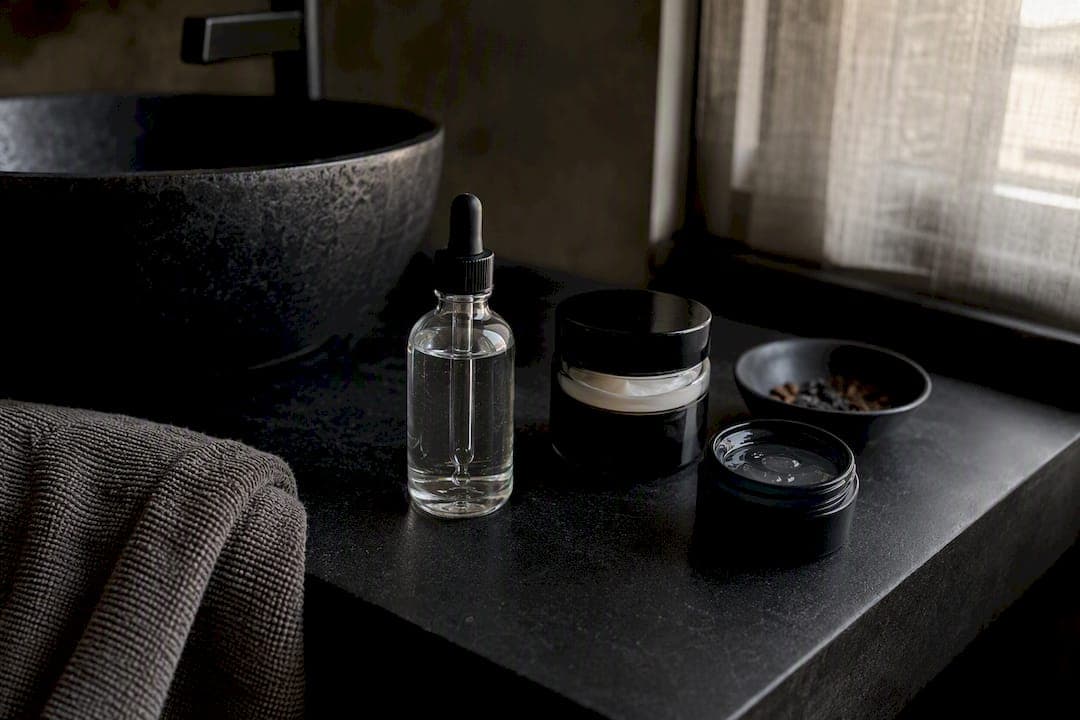
Winter skincare for men comes down to one habit: a short AM and PM routine that repairs the skin barrier and undoes the damage shaving does on top of cold, dry air. Cleanse, hydrate, moisturise and protect with SPF in the morning; cleanse gently and repair at night.
Do this today:
- Cleanse with a gentle, non-stripping formula (skip anything foaming or heavily fragranced)
- Apply a hydrating serum if your skin feels tight
- Layer a richer moisturiser than you'd use in summer
- Finish with broad-spectrum SPF 30, even on grey days
- At night, swap SPF for a repair balm or facial oil
Pro Tip: Throw out the alcohol-based aftershave. A barrier-repair balm with ceramides or niacinamide will calm post-shave skin far faster and stop the sting.
Key Takeaways
A simple, barrier-focused AM and PM routine, adjusted by skin type, prevents most winter dryness and shaving irritation better than adding extra products.
| Point | Details |
|---|---|
| Follow a short routine | Cleanse, hydrate, moisturise and SPF in the morning; cleanse and repair at night. |
| Prioritise barrier ingredients | Ceramides, hyaluronic acid and niacinamide rebuild what cold air strips away. |
| Cut back on exfoliation | Once or twice weekly is enough in winter; daily scrubbing damages the barrier. |
| Fix shaving irritation | Warm pre-shave soaks and ceramide balms beat alcohol-based aftershaves every time. |
| Get professional support when needed | Riversedgeskinstudio's HydraFacials, peels and skin boosters complement home care for persistent damage. |
Table of Contents
- Why cold weather and heating damage men's skin
- What's the best AM and PM winter routine for men?
- Which ingredients help most in winter (and which to avoid)?
- How should shaving and beard care change in winter?
- How often should you exfoliate in winter?
- How do you protect hands, lips, scalp and neck in the cold?
- What's the best winter routine for your skin type?
- When should winter skin problems see a professional?
- What winter skincare mistakes should men avoid?
- How Riversedgeskinstudio can help this winter
- Frequently asked questions
- Sources
Why cold weather and heating damage men's skin
Cold air holds less moisture than warm air, and indoor heating dries it out further. That combination pulls water straight out of your skin through a process called transepidermal water loss, leaving the barrier thinner and more reactive. Wind adds mechanical stress on top, roughing up skin that's already struggling to hold onto hydration.
Men have it slightly harder here. Facial skin runs around 25% thicker than women's, with more active oil glands, but daily shaving works like manual exfoliation. It strips the top protective layer every time the blade passes, which is exactly the layer you need intact when the air outside is trying to do the same thing.
Pro Tip: Swap hot showers for lukewarm ones and soak your face in warm (not hot) water before shaving. Both reduce the extra stripping that heat does to an already stressed barrier.
What's the best AM and PM winter routine for men?
A workable men's winter skincare routine doesn't need ten steps. It needs the right four or five, done in the right order, consistently.
Morning:
- Cleanse with a gentle, low-foam formula to remove overnight oil without stripping skin.
- Apply a lightweight hydrating serum (look for hyaluronic acid or niacinamide) if your skin feels dehydrated rather than just dry.
- Follow with a richer moisturiser than your summer one, applied while skin is still slightly damp to lock in water.
- Finish with broad-spectrum SPF 30 as the last step, even under cloud cover. SPF stays essential in winter because UVA rays pass through cloud and reflect off surfaces just as they do in summer.
Evening:
- Cleanse again to remove the day's grime, pollution and any SPF residue.
- Apply a targeted treatment if you use one (a retinoid on alternate nights, for instance), waiting a few minutes before the next step.
- Layer a richer night moisturiser or facial oil to work while you sleep.
- Dab on eye cream and lip balm as the final touch.
Wait roughly 60 seconds between a serum and a moisturiser so each layer absorbs before the next goes on. Moisturising twice daily and layering a serum underneath when you need extra hydration is standard dermatological advice, not a winter-only rule, but it matters more when the air is working against you. For a full breakdown of layering order, Riversedgeskinstudio's guide to combining treatments covers the sequencing in more depth.
Which ingredients help most in winter (and which to avoid)?
Winter is when ingredient choice stops being a nice-to-have and starts doing real work. Ceramides, cholesterol and hyaluronic acid rebuild and hold the barrier that cold air keeps attacking, while niacinamide calms redness and squalane adds slip without clogging pores.
| Ingredient | What it does | Best used |
|---|---|---|
| Ceramides | Rebuilds the skin barrier's lipid layer | Morning and night |
| Hyaluronic acid | Draws water into the skin | Morning, under moisturiser |
| Niacinamide | Reduces redness and strengthens barrier | Morning or night |
| Glycerin | Humectant that holds moisture | Morning and night |
| Squalane | Lightweight oil that seals in hydration | Night, or dry patches AM |
Dermatologists generally favour non-comedogenic, fragrance-free formulas built around these ingredients, matched to your skin type: gels for oily skin, thicker creams where you're genuinely dry.
What to leave on the shelf this season:
- High-alcohol toners and aftershaves, which dry skin further
- Heavily fragranced products that irritate already-sensitised skin
- Daily strong acid exfoliants, which strip a barrier that's already thin
- Aggressive multi-step routines borrowed from summer
How should shaving and beard care change in winter?
Shaving is already tough on skin, and cold weather makes it worse. A warm pre-shave soak softens hair and opens pores, cutting down the drag that causes irritation, and a single, sharp blade does less damage than repeated passes with a dull one.
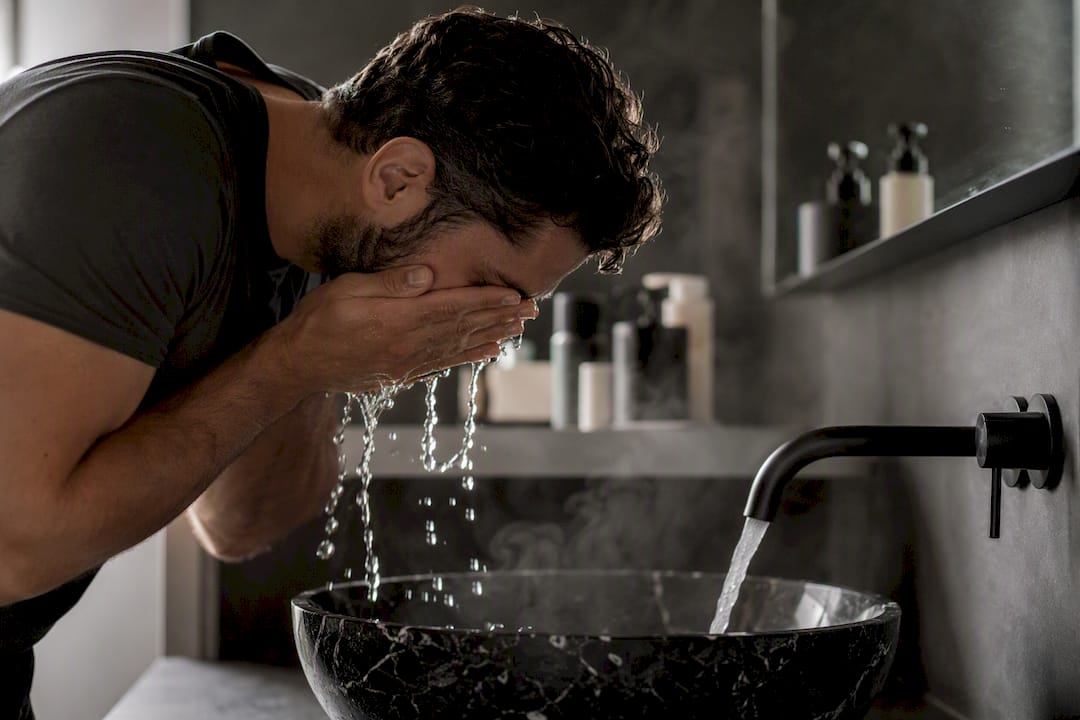
Post-shave, ditch anything alcohol-based. Barrier-repair balms with ceramides or niacinamide calm redness rather than adding to it, and always use a proper shaving cream rather than soap or nothing at all.
If you have a beard, the skin underneath still needs attention:
- Do apply beard oil daily to stop flaking under the beard
- Do brush the beard to redistribute natural oils
- Don't skip cleansing the skin beneath it
- Don't rely on the beard itself to "protect" the skin
Pro Tip: Massage beard oil into the skin first, then work through the hair. It's the skin, not the beard, that gets dry and flaky in winter.
How often should you exfoliate in winter?
Less often than you think. Daily scrubbing in cold weather does more harm than good, so dial exfoliation back to once or twice weekly, using a gentle physical scrub or a mild chemical exfoliant rather than anything abrasive.
- Drop strong retinoids to two or three nights a week instead of nightly.
- Pause high-strength AHAs and BHAs, or use them at half the usual frequency.
- Never combine a strong retinoid with an AHA/BHA on the same night. Alternate them instead.
- Follow every active treatment with a barrier-repair moisturiser, not a lightweight one.
Pro Tip: Treat actives and barrier repair as a rotation, not a stack. One active night, one recovery night, and your skin gets the benefit without the flare-up.
How do you protect hands, lips, scalp and neck in the cold?
The areas men forget are usually the ones that suffer most.
- Hands: use a rich hand cream after every wash, and keep a travel tube in your coat pocket for reapplication on the go
- Lips: reapply an occlusive, wax or petroleum-based balm through the day rather than once in the morning
- Scalp: cold air and hats dry the scalp too, so a leave-in scalp serum helps if you notice flaking
- Neck and ears: extend your facial moisturiser and SPF down past the jawline, and watch for scarf friction irritating the neck
What's the best winter routine for your skin type?
Dry skin: Cream cleanser, hyaluronic acid serum, ceramide-rich moisturiser both AM and PM. Do layer a facial oil at night. Don't use foaming cleansers or skip moisturiser after washing.
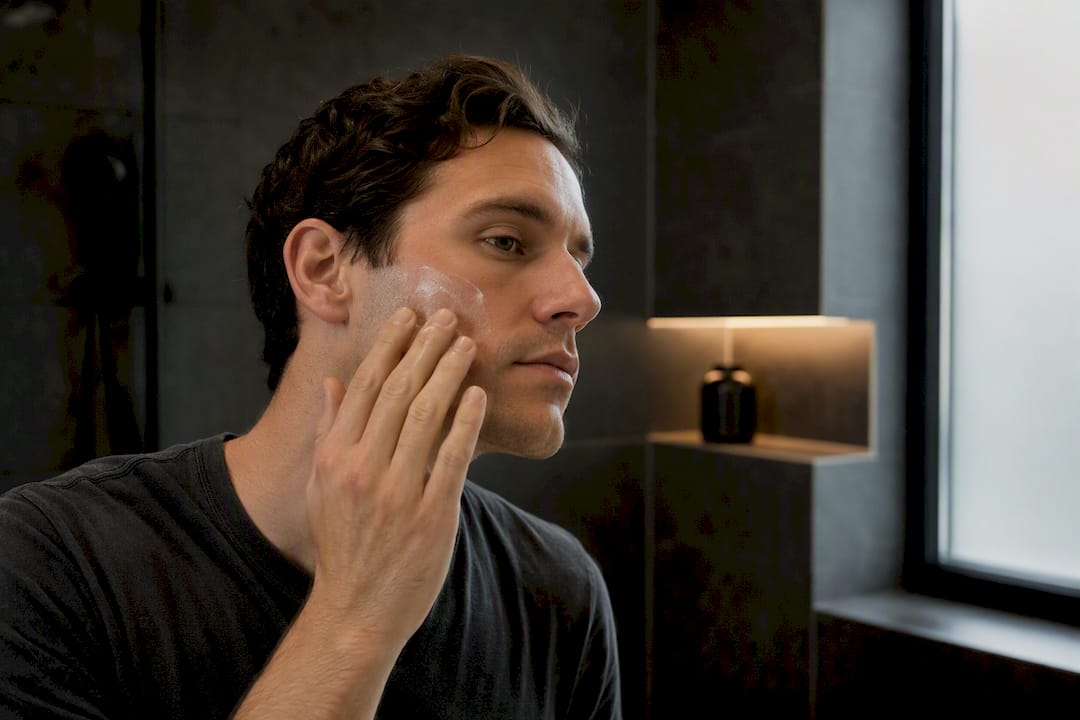
Oily skin: Gentle gel cleanser, niacinamide serum, lightweight gel moisturiser. Do stick with non-comedogenic formulas. Don't assume oily skin means you can skip moisturiser in winter.
Combination skin: Balance is the goal. Apply richer moisturiser on dry patches (cheeks, jaw) and a lighter gel across the T-zone. Do spot-treat rather than applying one product everywhere.
Sensitive skin: Fragrance-free everything, minimal actives, ceramide-heavy moisturiser. Don't introduce new actives in winter; wait until skin is stable.
Acne-prone skin: Non-comedogenic, oil-free moisturiser, gentle salicylic acid two or three times weekly rather than daily. Don't over-strip skin trying to control breakouts. As spring approaches, reintroduce lighter textures gradually rather than switching everything overnight.
When should winter skin problems see a professional?
Home care handles most winter dryness, but some signs mean it's time to book an appointment rather than add another product.
Book a clinic visit if you notice:
- Cracking that doesn't heal within a week or two
- A sudden eczema flare that home moisturisers aren't controlling
- Signs of infection (increasing redness, warmth, pus)
- Persistent bleeding or scabbing after shaving
What to expect and prepare:
- Bring photos of how skin looked before symptoms started, if you have them.
- Note which products you've used in the past two weeks, including any new actives.
- Pause retinoids or strong exfoliants for a few days before treatments like peels or microneedling.
HydraFacials, gentle chemical peels and skin-boosting injections can accelerate hydration and repair when a home routine alone isn't cutting it, typically with little to no downtime. These sit alongside your daily routine rather than replacing it. Riversedgeskinstudio's guide to layering professional treatments explains how to sequence clinic visits with home care.
What winter skincare mistakes should men avoid?
Small mistakes cause most winter skin complaints, and most have a one-step fix.
- Using summer cleansers: they strip too much. Swap for something gentler.
- Skipping SPF because it's cloudy: UV still reaches skin. Apply it every morning regardless.
- Over-exfoliating to fix flaking: this often causes the flaking. Cut back to once or twice weekly.
- Alcohol-based aftershave: it dries skin further. Use a ceramide balm instead.
- Hot showers: they feel good but strip natural oils. Go lukewarm.
Clinic perspective: why simplicity wins for men's winter routines
Most winter skin complaints don't need more products. They need consistency: the same barrier-repair steps, done daily, backed by targeted treatments only when home care genuinely can't keep up. That's the approach behind tailoring men's skincare essentials to individual skin rather than trends.
How Riversedgeskinstudio can help this winter
If your home routine has plateaued, a few in-clinic sessions can push past what daily products alone achieve. Riversedgeskinstudio's HydraFacial and gentle chemical peel treatments accelerate hydration and clear surface buildup, while skin boosters address deeper barrier damage that balms can't reach. Post-shave sensitivity gets its own attention too, with bespoke plans built around how you actually shave and how your skin reacts.

These treatments work alongside the AM/PM routine above rather than replacing it, and each plan is built around your skin type and lifestyle rather than a generic template. For men whose skin is reacting more than usual this season, particularly around shaving-related irritation, an in-person consultation identifies exactly what's causing it. Curious what a HydraFacial actually does for winter skin? Read the full breakdown or head straight to Riversedgeskinstudio's treatment menu to book a consultation and get a plan built for your skin.
Frequently asked questions
Do men really need a different winter skincare routine? Yes. Cold air, indoor heating and daily shaving combine to dry out skin faster than in summer, so a richer moisturiser and gentler cleanser genuinely make a difference.
How do I hydrate my skin in winter without it feeling greasy? Layer a lightweight hyaluronic acid serum under a ceramide moisturiser rather than switching to one heavy cream. The layering hydrates without the heaviness.
Is SPF actually necessary in winter? Yes. UVA rays pass through cloud cover and reflect off pavements and buildings, so broad-spectrum SPF 30 stays part of the morning routine all year.
What's the biggest men's winter skincare mistake? Sticking with a summer cleanser and skipping moisturiser afterwards. Both strip moisture your skin can't afford to lose in cold, dry air.
Can a partner tool like a cryo facial roller help winter skin? Cooling tools such as the SweeTee Ice Facial Cube can reduce puffiness and tighten the look of pores, useful alongside a moisturising routine rather than instead of one.
This article is general information, not a substitute for advice from a qualified doctor. Consult a qualified healthcare professional about your own circumstances before acting on anything here.
Sources
- The ultimate men's winter skincare and grooming guide | Shortlist
- Best Moisturizer for Men: 13 Skin Care Grails to Shop in 2026 | GQ
- Best Face Moisturizers for Men, Recommended by Dermatologists
- The Complete Winter Skincare Guide For Men | FashionBeans
- 6 Must-Know Men's Winter Skincare Tips - Winter Skincare - Kiehl's