
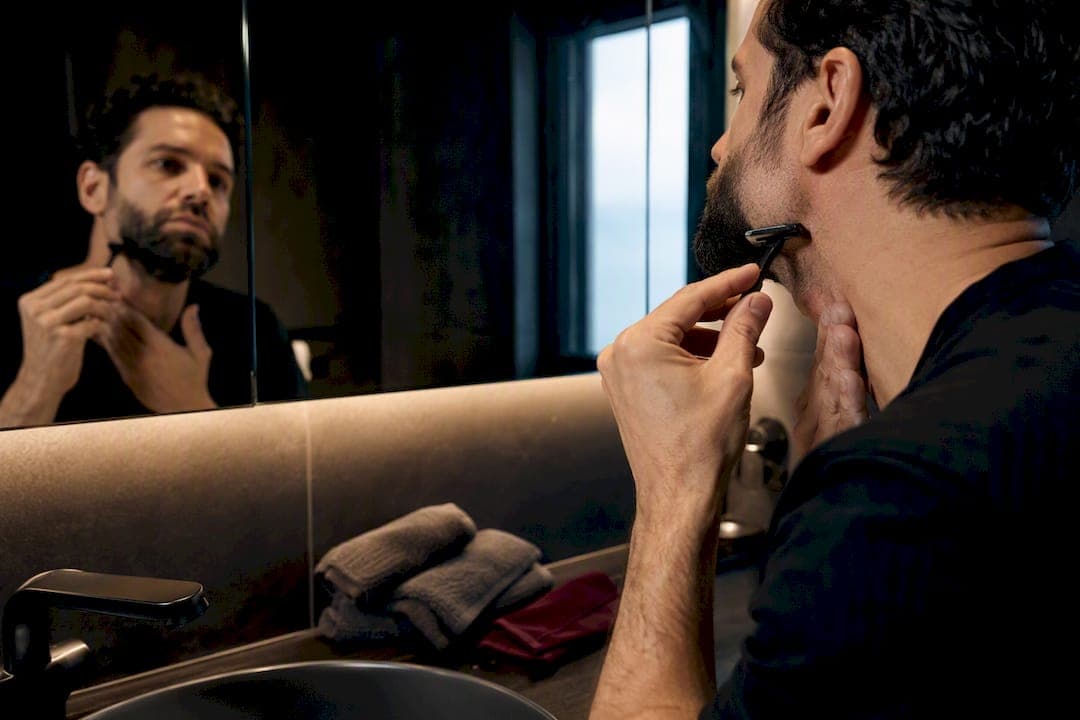
Yes, men with beards can and should have facials. Skin under a beard still produces oil, sheds dead cells and traps debris, and a properly adapted facial reaches all of it. Professional sessions handle deeper congestion and ingrown hairs; a consistent at-home routine keeps results between visits. Rivers Edge Skin Studio builds its men's facials around exactly this problem, working with the beard rather than against it.
TL;DR:
- Regular professional facial treatments can effectively address beardruff, congestion, and ingrown hairs by targeting buildup at the follicle base.
- Treatments like HydraFacials, gentle chemical peels, and targeted extractions are designed to work around the beard without requiring shaving first.
- Shaving should be done 24 to 48 hours before a facial to minimize irritation and allow the skin to settle before treatment.
- An at-home routine should include beard-safe cleansing, fingertip massage, chemical exfoliants, and proper beard conditioning, with SPF applied daily.
- Consistent sessions on a monthly basis help prevent congestion and ingrown hairs, especially for those with chronic skin issues under the beard.
Table of Contents
- Beard-friendly facial options: treatments that work around facial hair
- What happens in a professional beard-friendly facial
- At-home beard facial: a safe, effective step-by-step routine
- Preparation, shaving guidance and contra-indications
- Aftercare and combining facial results with everyday beard grooming
- Frequency and cost expectations
- Rivers Edge Skin Studio evidence and author credentials
- Why most beard grooming advice misses the point
- Book a beard-friendly facial at Rivers Edge Skin Studio
- Sources
- FAQ
Beard-friendly facial options: treatments that work around facial hair
A beard hides what's happening underneath, but it doesn't stop it happening. Sebum, sweat and dead skin cells collect at the base of the hair follicle regardless of how thick the growth is on top, which is why bearded skin often develops flaking, called beardruff, along with congestion and ingrown hairs that never get the chance to surface. Several treatment types are built to work around this rather than requiring you to shave first.
- Men's facial: a double cleanse followed by deeper extraction work along the jaw and neck, where oil and product residue tend to build up most.
- HydraFacial: a hydradermabrasion treatment that combines cleansing, exfoliation and hydration through a vortex delivery system that reaches skin at the follicle base rather than sitting on top of the hair.
- Gentle chemical peels: lactic or mandelic acid formulas that dissolve dead skin without the scrubbing action that tangles beard hair.
- LED or high-frequency add-ons: used to calm inflamed follicles and reduce bacterial activity after extractions.
Each of these addresses a specific beard complaint. Peels and double cleansing tackle beardruff and dullness; targeted extraction reduces the blocked pores that turn into ingrown hairs; LED therapy calms the follicles that flare up after shaving. Our HydraFacial guide for men covers how that particular treatment performs on thicker growth.
Some situations call for a pause rather than a treatment. Active skin infections, open cuts, or a strong retinoid used in the last few days all raise the risk of irritation. A good clinic will ask about this before booking you in, not after you're on the table.
What happens in a professional beard-friendly facial
Walking in without knowing the sequence makes any treatment feel more clinical than it needs to. Here's the typical order of a beard-friendly session, and what to expect at each stage.
- Consultation first. You'll be asked about medications, recent treatments and any skin conditions before anything touches your face.
- Double cleanse. Male skin generally carries more sebum and product residue than female skin, which is why a single cleanse rarely lifts everything hiding under a beard. The second pass is where the technician actually reaches the follicle base.
- Steam or a warm compress softens the skin and loosens congestion, making extractions less uncomfortable.
- Gentle exfoliation, usually enzymatic or a mild acid rather than a physical scrub, since scrubbing tangles beard hair and can cause micro-tears.
- Targeted extraction, worked carefully around the beard's shape rather than through it.
- Finishing serums and SPF guidance, plus advice on conditioning the beard itself so results don't undo themselves the next day.
Add-ons like blue LED light are common for clients with recurring folliculitis, since it reduces the bacterial load that drives those flare-ups. Aestheticians work with beard shape wherever they can. Some may ask if you're happy for a small section to be trimmed for access, but that's always your call, never assumed.
Pro Tip: Tell your technician exactly which products you've used in the last week, including beard oil. Some carrier oils sit on top of active ingredients and stop them working properly.
Sessions like these tend to reach areas an at-home routine physically can't. Our piece on why professional facials beat home skincare for men goes into why that gap exists.
At-home beard facial: a safe, effective step-by-step routine
Between clinic visits, or if you're not ready to book one yet, a proper at-home routine covers a surprising amount of ground. The sequence matters more than the products.
- Wet your beard and skin with warm water, then apply a beard-safe cleanser designed for facial skin, not a bar of soap that strips it dry.
- Massage with your fingertips, working down to the skin rather than just through the surface hair. This is the step most men skip, and it's the one that actually clears anything.
- Rinse thoroughly and pat dry rather than rubbing, which tangles hair and irritates skin underneath.
- Apply a chemical exfoliant once or twice a week, an AHA or BHA rather than a gritty physical scrub, since scrubs risk hair tangling and micro-trauma that acids avoid entirely.
- Condition the beard and moisturise the skin underneath separately if you can. A lightweight, non-comedogenic moisturiser does the skin job; beard oil does the hair job.
- Apply SPF to any exposed skin, particularly along the cheeks and above the beard line where sun exposure is constant and often ignored.
When picking products, avoid heavy petroleum-based oils that sit on the skin and trap sebum underneath, and check labels for "non-comedogenic" if you're prone to breakouts. Stop the DIY approach and see a clinician if you notice painful ingrown hairs, spreading redness, or anything that looks like infection rather than ordinary congestion. Our guide on starting a men's skincare routine is worth reading alongside this if you're building habits from scratch.
Preparation, shaving guidance and contra-indications
The question almost every bearded client asks at booking is whether to shave first. The short answer: not on the same day.
- Best timing: shave 24 to 48 hours before your appointment. This gives your skin time to settle from any razor irritation while keeping the beard short enough for your technician to work through it properly.
- Shaving on the day itself leaves skin freshly irritated right before extractions and exfoliation, which compounds discomfort rather than helping.
- Disclose any active infection, open wounds, or recent facial surgery before your session. These are reasons a clinic should reschedule rather than push through.
- Recent strong topical retinoid use (within the last few days) also needs mentioning, since it thins the skin barrier temporarily.
A practical habit worth adopting: send a photo of your current beard length and style when you book, along with a quick note on any products or treatments you've used recently. It saves the consultation time and means your technician arrives already prepared for your specific growth pattern rather than guessing on the day.
Aftercare and combining facial results with everyday beard grooming
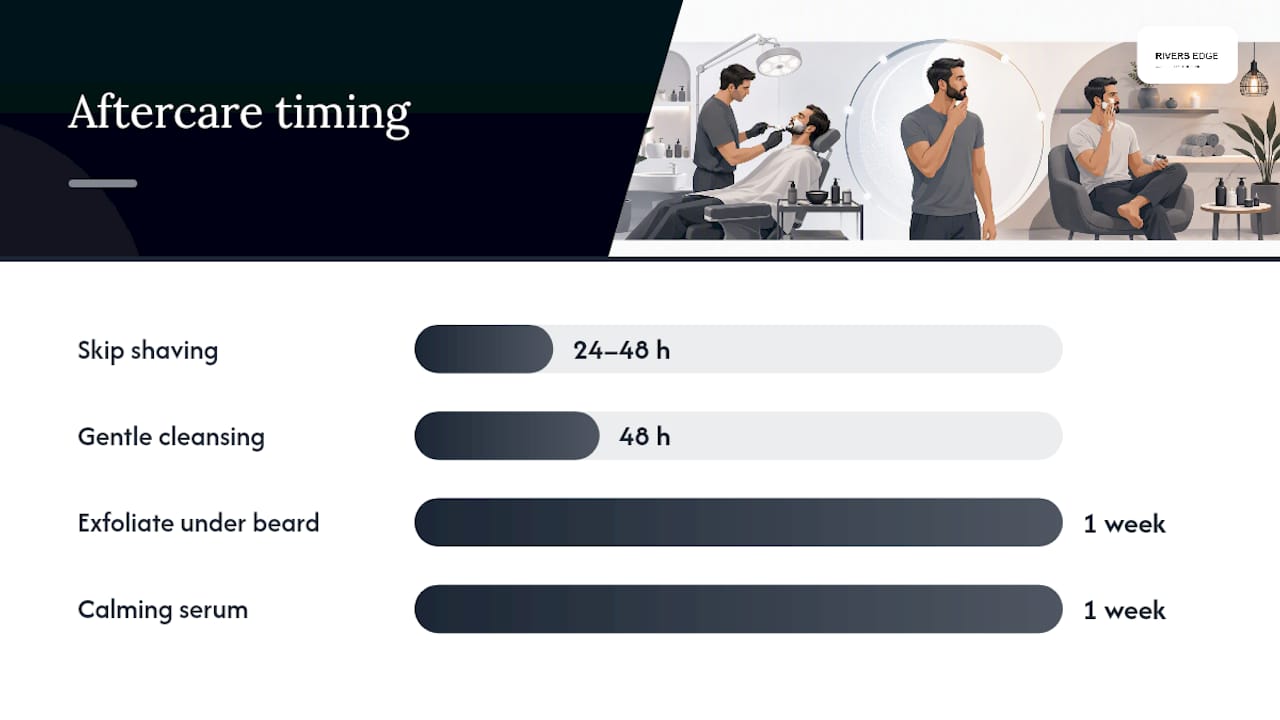
The forty-eight hours after a facial decide how long the results last. Skip shaving for at least 24 hours, keep cleansing gentle for the next two days, and steer clear of saunas, heavy fragrance, and anything else that could re-irritate freshly treated skin.
- Cleanse daily, gently, without hot water that strips natural oils.
- Exfoliate under the beard once a week, not more, to avoid undoing what the facial just achieved.
- Apply a light beard oil to keep hair conditioned without smothering the skin beneath it.
- Use SPF on exposed skin and don't neglect the neck.
Pro Tip: Keep a calming serum with ingredients like niacinamide or centella asiatica in your routine for the first week after a facial. It settles any redness from extractions faster than moisturiser alone.
Watch for persistent redness, worsening ingrown hairs, or any swelling and discharge. Those aren't normal aftercare symptoms and warrant an earlier review rather than waiting for your next scheduled visit. Regular beard care between treatments is what actually makes a single facial worth booking in the first place. For a fuller grooming breakdown that pairs well with facial aftercare, this beard care guide covers oils and trimming technique in more depth.
Frequency and cost expectations
Most men's facial protocols work best on a regular monthly or approximately monthly cadence, which matches the skin's natural renewal cycle and helps keep congestion from rebuilding between sessions. If you're dealing with chronic ingrown hairs or persistent folliculitis, a clinician may recommend a short, more frequent course before settling into that maintenance rhythm.
- Standard men's facials typically range in price depending on the clinic and add-ons.
- HydraFacial treatments and chemical peels often have higher prices, reflecting the equipment and active ingredients involved.
- LED or high-frequency add-ons usually carry a smaller supplementary cost.
Prices vary by clinic and region, so it's worth checking current pricing directly rather than assuming a fixed number. If ingrown hairs or congestion persist after a full course of treatments, that's a reasonable point to ask for a dermatologist referral rather than continuing the same routine indefinitely.
Rivers Edge Skin Studio evidence and author credentials
Some clinics treat bearded and non-bearded skin as two different jobs, not one generic facial applied twice. Men's service lists may include HydraFacials, chemical peels, microneedling and tailored men's facials, each adapted for facial hair rather than designed around its absence.
- HydraFacial sessions may be built specifically to reach congestion under thicker growth.
- Chemical peels may be selected to avoid the irritation that physical exfoliation causes on bearded skin.
- Microneedling and personalised treatment plans may be based on specific skin and beard patterns, not a generic template.
This article was written with input from David, drawing on established clinical guidance for men's facial protocols. For further reading, our guide on identifying men's skin concerns helps match symptoms to the right treatment, and the top skincare essentials for 2026 rounds out the at-home side of this guide.
Why most beard grooming advice misses the point
The conventional wisdom on beards and skincare treats the beard itself as the obstacle, something to work around, trim back, or apologise for at the front desk. That framing is backwards. The beard isn't the problem; it's a cover that hides a problem that exists on every man's face, bearded or not. Oil production, dead skin turnover and follicle congestion happen regardless of hair. The beard just means you can't see it building up until it's already causing ingrown hairs or flaking.
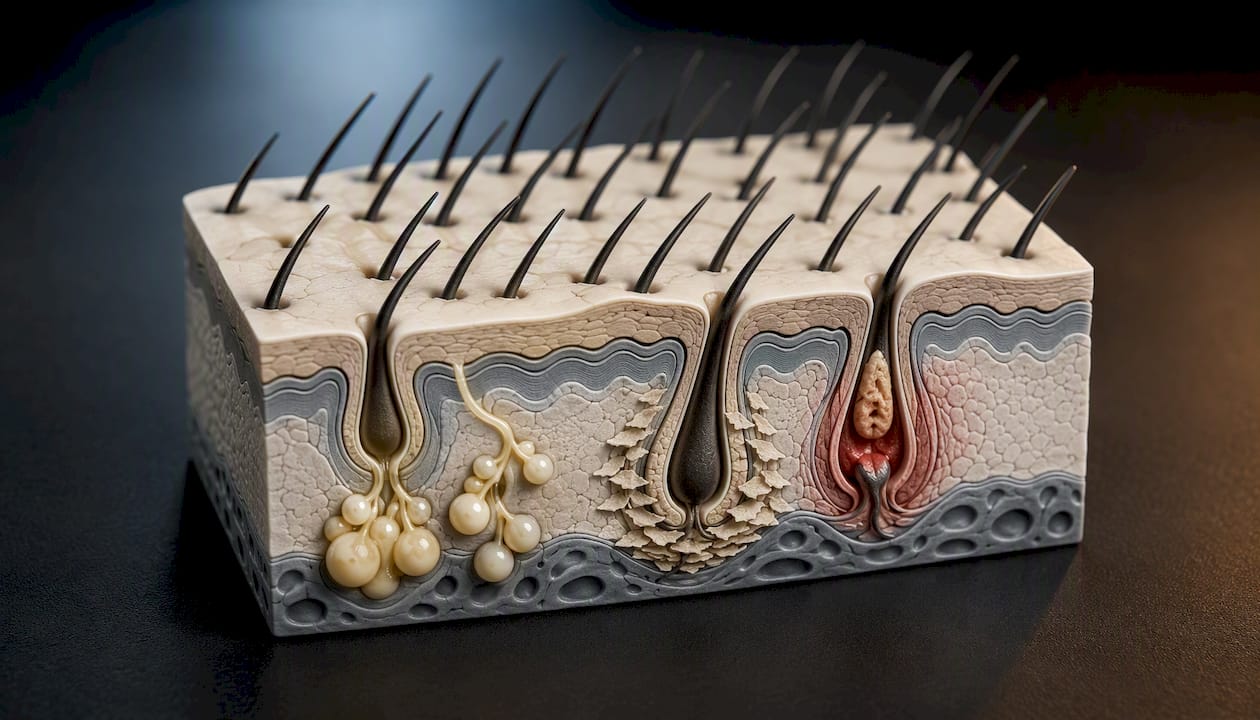
What gets underestimated is how much technique matters over product choice. Men will spend money on the right cleanser or the right peel and then undo it with a scrubbing motion that tangles hair and micro-tears skin, or they'll skip professional extraction because they assume a beard makes it impossible. It doesn't. It just means the person doing it needs to know what they're doing.
If you take one thing from this, prioritise finding a technician who treats bearded skin as its own category rather than an inconvenience. Everything else, the products, the frequency, the peel strength, is secondary to that.
— David
Book a beard-friendly facial at Rivers Edge Skin Studio
Some clinics treat bearded skin as a distinct category, not an afterthought squeezed into a standard facial slot. Sessions may be built around actual skin condition and beard pattern, whether that means a HydraFacial reaching congestion at the follicle base, a chemical peel calibrated for sensitive skin under thicker growth, or microneedling as part of a longer-term plan.

Before you book, it helps to have a rough list of the products you currently use, a photo of your beard length and style, and a note on any medications or recent treatments. That's exactly what the consultation covers, so arriving with it ready speeds things up considerably. Browse the full range of men's skin treatments and services and get a session booked in around your own beard, not despite it.
Sources
- Facials for Bearded Men: Caring for the Skin Under Your Beard - Silver Mirror
- Beard care and facials: how to keep the skin underneath healthy - Dixis MediSpa
- Step‑By‑Step Guide: Beard facial at home - Better Man Beard
FAQ
Is It Okay to Have a Facial With a Beard?
Yes. Facials are commonly adapted to work around facial hair, with adjusted cleansing, exfoliation and extraction technique reaching the skin beneath the beard rather than being blocked by it.
What Is the Three-Month Beard Rule?
There's no clinically established "three-month beard rule" in facial or skincare guidance; the phrase is more commonly associated with general beard growth patience than facial treatment timing. If you've heard it in a grooming context, it likely refers to letting a beard grow undisturbed for around three months before shaping it, not to facial scheduling.
How Do You Give a Man With a Beard a Facial?
A technician typically double cleanses to reach oil and residue trapped by the beard, softens skin with steam, exfoliates gently with acids rather than physical scrubs, and performs targeted extractions worked around the beard's shape rather than through it.
What Is a Good Skincare Routine for a Man With a Beard?
A solid routine includes a beard-safe cleanser used daily, fingertip massage to reach the skin underneath, a chemical exfoliant once or twice weekly, non-comedogenic moisturiser, beard oil for conditioning, and SPF on exposed skin. Rivers Edge Skin Studio pairs this with monthly professional maintenance for lasting results.