
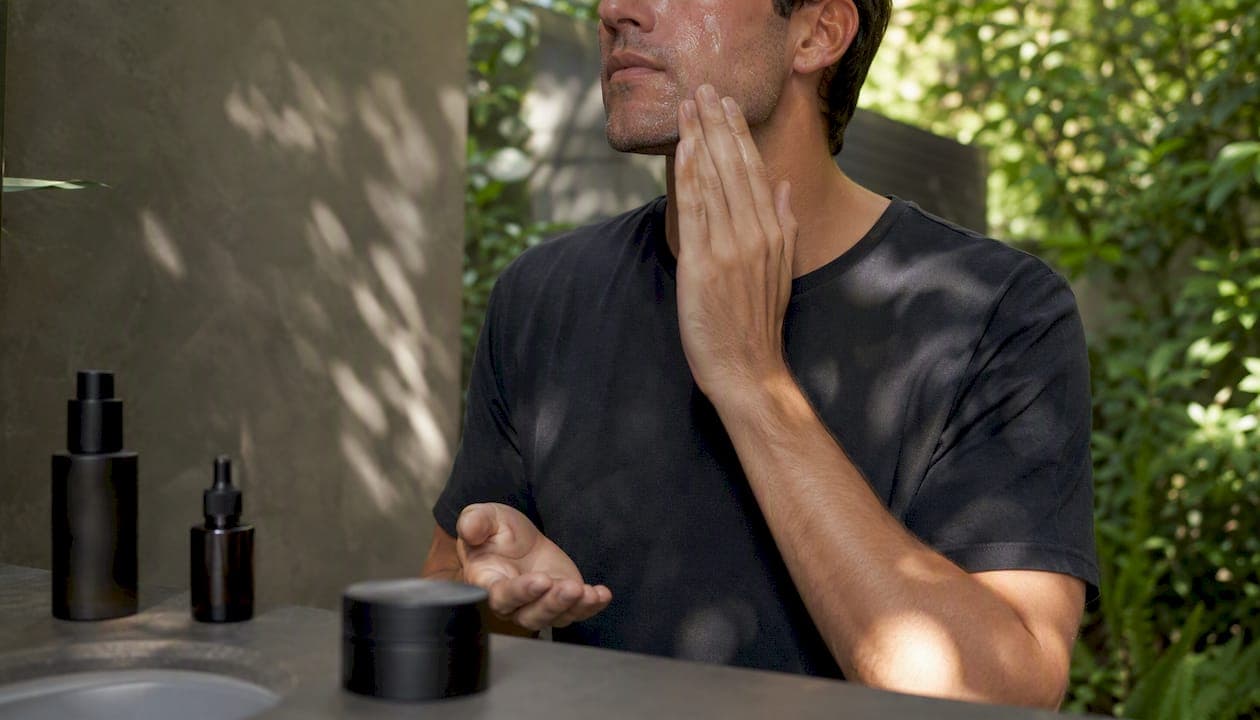
Recovery after a chemical peel follows a predictable shape: redness and tightness in the first 48 hours, visible peeling from days 2–5, and progressively clearer skin over the following weeks. The three actions to take immediately are a gentle cleanse with a fragrance-free, non-foaming cleanser, application of a bland barrier moisturiser or ointment, and strict sun avoidance (or mineral SPF 30–50 if you must go outside).
Quick timeline at a glance:
- Light peel: skin heals in roughly 1–7 days, with mild flaking and redness
- Medium peel: expect 7–14 days of swelling, crusting and more pronounced peeling
- Deep peel: two weeks or longer, with redness that can persist for months
Men often sit at the longer end of these ranges. Thicker skin and outdoor habits both play a role, which makes the aftercare steps below more important, not less.
Pro Tip: Apply your barrier ointment or moisturiser within the first hour of leaving the clinic. Early moisturisation supports faster re-epithelialisation and reduces the risk of tightness cracking into micro-tears.
Key takeaways
Recovery after a chemical peel follows a clear, manageable sequence when you apply the right aftercare from day one: moisturise early, protect from UV consistently, and let the skin shed on its own schedule.
| Point | Details |
|---|---|
| Start moisturising immediately | Apply a bland barrier ointment or emollient within the first hour of leaving the clinic. |
| Sun protection is non-negotiable | Use mineral SPF 30–50 every morning; new skin is at high risk of post-inflammatory hyperpigmentation. |
| Wait before shaving | Hold off blade shaving for at least 5–7 days after a light peel; longer after a medium or deep peel. |
| Know the timeline | Light peels heal in 1–7 days; medium peels in 7–14 days; deep peels take two weeks or more. |
| Riversedgeskinstudio | Book a post-peel review at Riversedgeskinstudio for men-specific healing assessment and tailored aftercare guidance. |
Table of Contents
- What to do in the first 48 hours after your peel
- Healing timeline by peel depth: what to expect day by day
- Your daily aftercare checklist for days 1–14
- Do's and don'ts after a chemical peel
- Warning signs and when to contact your clinician
- How men's skin and grooming affect recovery
- When to restart actives, shaving, and other clinic treatments
- Evidence-based measures that support faster, safer healing
- Follow-up appointments and when you'll see the final results
- Why tailored aftercare matters for men
- Book your post-peel consultation at Riversedgeskinstudio
- Sources
What to do in the first 48 hours after your peel
The acute window sets the tone for your entire recovery. Follow these steps in order:
- Cleanse gently, once or twice daily. Use lukewarm (not hot) water and a fragrance-free, non-foaming cleanser. Pat dry with a clean, soft cloth. No rubbing.
- Apply barrier ointment or bland emollient immediately after cleansing. For light peels, a simple fragrance-free moisturiser works. For medium or deep peels, your clinician will usually prescribe or recommend an occlusive ointment such as petroleum jelly or a medical-grade equivalent.
- Cool the skin if it feels hot or uncomfortable. A clean, cool (not ice-cold) compress held gently against the face for a few minutes reduces heat and discomfort. Never press or drag.
- Take over-the-counter pain relief if needed. Paracetamol is generally appropriate for mild discomfort. Avoid ibuprofen unless your clinician has confirmed it is safe given your full health history.
- Avoid heat sources entirely. No hot showers, steam rooms, saunas, or vigorous exercise for at least 48 hours. Heat increases swelling and raises the risk of post-inflammatory hyperpigmentation.
- Skip alcohol-based products. Aftershaves, toners, and any product containing denatured alcohol are off the table. They strip the barrier you are trying to rebuild.
- Do not shave. Blade contact with freshly treated skin causes micro-trauma. This applies even if the treated area feels fine.
- Stay out of direct sunlight. If you need to go outside, wear a broad-brimmed hat and apply a mineral SPF 30–50 over your ointment once the skin has settled.
Pro Tip: If periocular (around-the-eye) swelling is pronounced after a medium or deep peel, sleeping with your head slightly elevated for the first two nights can reduce fluid pooling. Ask your clinician whether an antihistamine is appropriate for you.
For a broader overview of post-treatment skincare steps tailored to male skin, the Riversedgeskinstudio blog covers the full routine in detail.
Healing timeline by peel depth: what to expect day by day
Knowing what is normal at each stage stops you from panicking at the wrong moment or, worse, interfering with the process. The table below summarises typical recovery by peel depth.
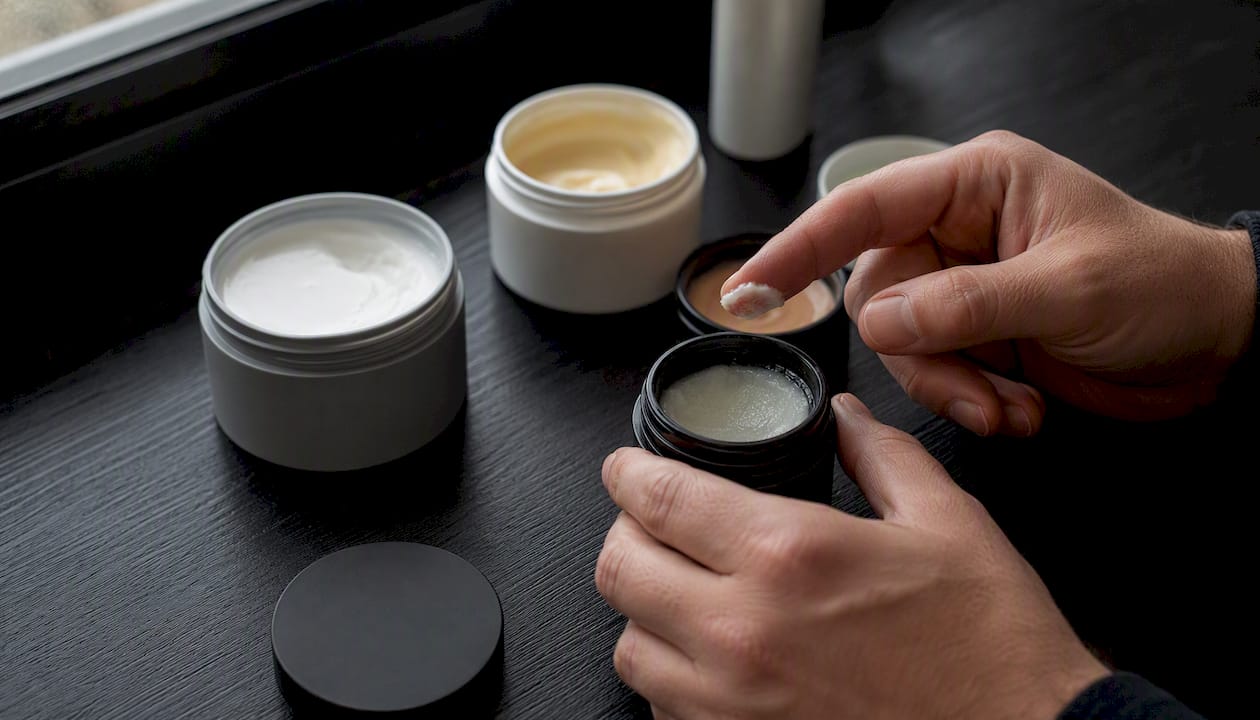
| Peel depth | Active ingredients | Days 1–3 | Days 4–7 | Days 7–14 | Beyond 14 days |
|---|---|---|---|---|---|
| Light (superficial) | Glycolic acid, salicylic acid, low-strength lactic acid | Mild redness, tightness | Light flaking begins | Skin largely settled | Pigment changes may persist briefly |
| Medium | TCA, Jessner's solution | Pronounced redness, swelling | Active peeling, crusting | Crusts shed, new skin visible | Redness may linger 2–4 weeks |
| Deep | High-strength TCA, phenol | Significant swelling, weeping | Thick crusting, occlusive wound care required | Gradual re-epithelialisation | Redness can persist for several months |
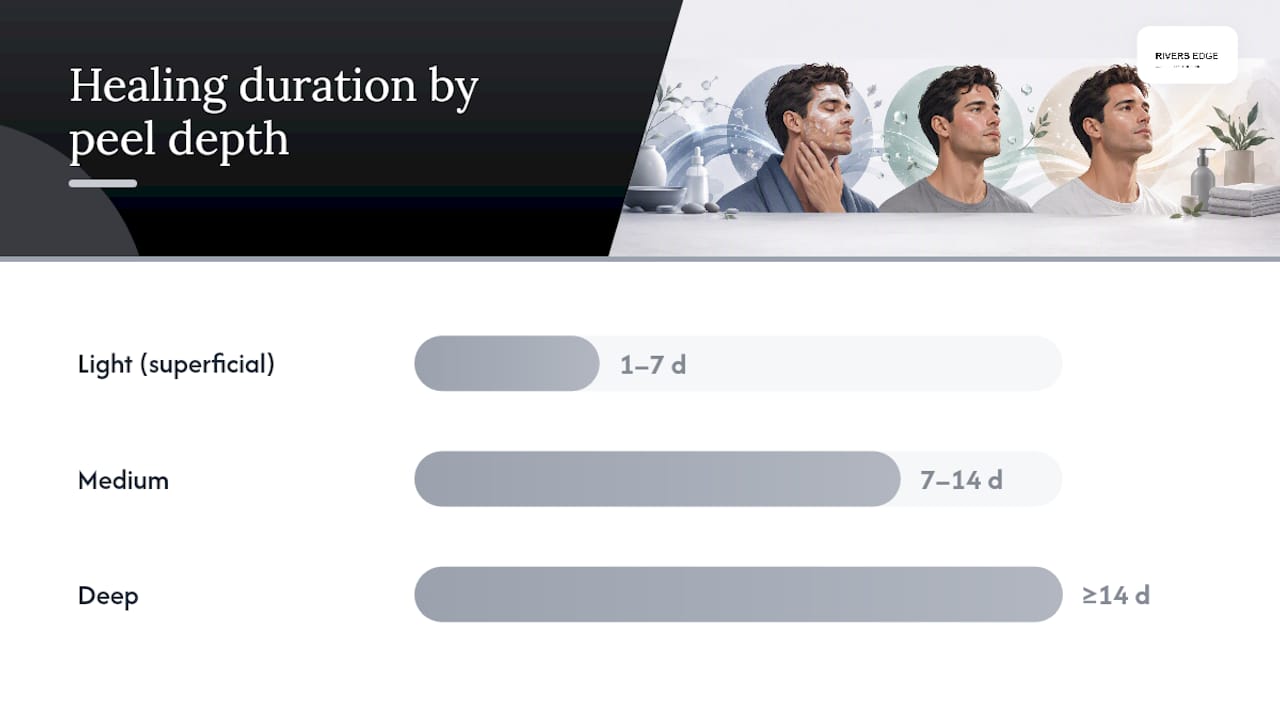
According to the Mayo Clinic, treated areas typically take 1–7 days to heal after a light peel, 7–14 days after a medium peel, and two weeks or longer after a deep peel, with redness sometimes persisting for months following deeper treatments.
Key points to keep in mind:
- Peak peeling for light peels usually occurs around days 3–4; for medium peels, days 5–7.
- Pigment changes (temporary darkening before lightening) are more common in men with darker skin tones and those with significant sun exposure history.
- Superficial peels involve minimal downtime and simple aftercare; medium peels require occlusive ointments and strict sun avoidance; deep peels need medically supervised wound care throughout.
- Men may experience slower visible recovery than women due to thicker dermal layers, so do not compare your timeline to a female friend's.
Men often sit at the longer end of quoted recovery ranges. Plan your social and work diary accordingly, particularly if you have a medium or deep peel booked before an important event.
Your daily aftercare checklist for days 1–14
Consistency matters more than complexity here. A simple routine done correctly every day outperforms an elaborate one done inconsistently.
Morning routine:
- Rinse with cool or lukewarm water; use a gentle, fragrance-free cleanser if the skin feels oily or has ointment residue.
- Pat dry, then apply a thin layer of barrier ointment or bland moisturiser while the skin is still slightly damp.
- Once the moisturiser has absorbed, apply a mineral sunscreen (zinc oxide or titanium dioxide, SPF 30–50) as the final step. Reapply every two hours if you are outdoors.
Evening routine:
- Gentle cleanse to remove sunscreen, environmental debris and any ointment build-up.
- Apply a more generous layer of barrier ointment or emollient. For medium and deep peels, your clinician may advise occlusive dressings overnight during the first week.
Practical notes for bearded men:
- Keep beard hair clean and dry. Bacteria trapped in facial hair can transfer to the treated area.
- Do not use beard oils, balms, or waxes on or near the treated skin until peeling is complete and the barrier is restored.
- Trim rather than shave if you need to manage length during the no-shave window.
For a complete men's skincare routine to follow once healing is complete, the Riversedgeskinstudio blog has a practical step-by-step guide.
The AAD confirms that all peels require some at-home care, with light peels needing lotion plus sunscreen and medium peels requiring more intensive occlusive care and follow-up.
Do's and don'ts after a chemical peel
Do:
- Moisturise frequently. Keeping the skin hydrated is the single most effective thing you can do to support healing and reduce the risk of scarring.
- Apply mineral SPF every morning without exception, even on overcast days.
- Use cool compresses for discomfort. They reduce heat and swelling without disrupting the skin surface.
- Drink plenty of water. Hydration supports skin cell turnover from the inside.
- Attend your follow-up appointment. Your clinician needs to assess healing progress and catch any early complications.
Don't:
- Pick, peel, or rub flaking skin. This is the single fastest route to scarring and pigment changes. Let skin shed on its own schedule.
- Use hot water on your face. Heat dilates blood vessels, increases inflammation, and raises hyperpigmentation risk.
- Apply alcohol-based aftershave, toner, or astringent. These destroy the barrier you are rebuilding.
- Exercise heavily for the first 48–72 hours. Sweat is acidic and introduces bacteria to a compromised skin surface.
- Swim in pools or use saunas until visible peeling has stopped completely.
The two riskiest behaviours after a peel are picking at peeling skin and shaving too early. Both cause micro-trauma to skin that has not yet re-epithelialised, and both significantly raise the risk of scarring and post-inflammatory hyperpigmentation. If you are tempted to pick, apply more ointment instead.
Pro Tip: If intense tightness is making it hard not to touch your face, increase your moisturiser application frequency rather than reducing it. More barrier protection reduces the sensation that triggers picking.
Warning signs and when to contact your clinician
Most chemical peel side effects are expected and manageable. Some are not. Knowing the difference protects you.
Contact your clinic the same day if you notice:
- Spreading redness beyond the treated area, particularly with warmth and swelling
- Pus, yellow or green discharge, or a wound that smells unusual
- Blistering that was not expected for your peel depth
- Fever or flu-like symptoms within 48 hours of treatment
- Significant eye swelling or vision changes
Call within 24–48 hours for:
- Redness or swelling that is worsening rather than improving after day 3
- Crusting that appears infected rather than dry
- Severe itching that is not relieved by cool compresses or antihistamines
Book a review at 2–3 weeks if:
- Pigmentation is darkening significantly rather than fading
- Redness has not reduced at all by week three after a light peel
When you call, be ready to describe: the peel depth and active ingredient used, the date of treatment, what you have applied to the skin, and when the symptom started. This helps triage quickly.
Clinicians may prescribe antiviral medication if a herpes simplex virus (cold sore) reactivation is suspected, or antibiotics for a confirmed bacterial infection. Neither should be self-prescribed.
How men's skin and grooming affect recovery
Men's skin is, on average, thicker than women's and produces more sebum. Both factors change how a peel behaves and how recovery progresses. Research published on ResearchGate notes that men's outdoor habits and lower sun-protection adherence increase the clinical risk of post-inflammatory hyperpigmentation, making aggressive sun protection clinically essential for male patients.
Shaving guidance:
- Wait at least 5–7 days before returning to blade shaving after a light peel. For medium peels, wait until re-epithelialisation is visually complete, which is typically 10–14 days.
- Consider switching to an electric razor for the first shave back. It reduces blade contact pressure on skin that may still be slightly sensitive.
- Shave with the grain, use a fragrance-free shaving gel, and apply a bland, alcohol-free moisturiser immediately after.
Beard care during recovery:
- Keep the beard clean with a gentle, fragrance-free wash.
- Avoid any product that contains fragrance, essential oils, or alcohol near the treated area.
- If the peel extended to the beard line, treat that area with the same ointment protocol as the rest of the face.
Sun habits:
- Men are statistically less consistent with sunscreen use than women. After a peel, this gap has real consequences. New skin is especially vulnerable to UV and at higher risk of post-inflammatory hyperpigmentation, as the NHS confirms.
- A physical barrier (hat, staying in shade) combined with mineral SPF is the most reliable protection during the first four weeks.
Pro Tip: Pre-peel spot testing and tailored peel selection improve predictability for male skin, where thickness and variable oiliness can change peeling behaviour. Always discuss your skin type and outdoor lifestyle with your clinician before treatment, not after.
For more on why men's skin responds differently to treatments, the Riversedgeskinstudio blog explains the underlying physiology clearly.
When to restart actives, shaving, and other clinic treatments
Reintroducing products or booking further treatments too soon is one of the most common recovery mistakes. The skin may look healed before it is fully restored at a barrier level.
- Fragrance-free moisturiser: from day one, throughout recovery.
- Mineral SPF 30–50: from day one, every morning.
- Gentle, fragrance-free cleanser: from day one.
- Hyaluronic acid serum: typically safe to reintroduce after week two, once active peeling has stopped.
- Vitamin C serum: wait until week three to four after a light peel; longer after medium or deep peels.
- Retinoids (retinol, tretinoin): avoid for at least 7–14 days after a light peel and 4–6 weeks after a medium or deep peel. Reintroduce at a lower frequency than your pre-peel routine.
- AHA/BHA exfoliants: do not use until the skin is fully healed and the barrier is restored, typically 3–4 weeks minimum.
- Blade shaving: 5–7 days minimum after a light peel; 10–14 days after a medium peel.
- Perfume or alcohol-based aftershave: wait until all peeling has stopped and the skin no longer feels sensitive, usually 2–3 weeks.
For subsequent clinic treatments:
- Light peels can typically be repeated every 4–6 weeks once healing is confirmed.
- Medium peels are usually spaced 3–6 months apart.
- Laser, microneedling, or filler appointments should be discussed with your clinician. A minimum of 4–6 weeks after a light peel is a common starting point; medium and deep peels require longer gaps.
For guidance on combining treatments safely, the Riversedgeskinstudio blog covers spacing and sequencing in detail.
Evidence-based measures that support faster, safer healing
The steps below are backed by clinical guidance, not marketing claims. Each one has a clear mechanism.
- Start moisturising within the first hour. Early emollient application supports re-epithelialisation by maintaining a moist wound environment. Clinical guidance recommends frequent bland emollient application as a core post-peel protocol.
- Use mineral SPF, not chemical filters. Zinc oxide and titanium dioxide sit on the skin surface and reflect UV rather than absorbing it, making them less irritating on compromised skin. Aim for SPF 30–50 broad-spectrum.
- Avoid heat and sweat for 48–72 hours. Sweat is acidic and can disrupt the pH of healing skin; heat increases inflammation. Structured aftercare that avoids heat and sweat reduces the risk of hyperpigmentation and infection.
- Stay hydrated. Adequate water intake supports cellular turnover. There is no magic number, but consistent hydration throughout the day is more effective than large amounts at once.
- Eat protein and antioxidant-rich foods. Collagen synthesis requires amino acids. Vitamin C from food sources (citrus, peppers, leafy greens) supports the same process. This is not a substitute for topical care, but it complements it.
- Apply ointment in thin, frequent layers. A thick single application is less effective than two or three thin layers throughout the day. The goal is continuous coverage, not saturation.
- Avoid alcohol consumption for the first 48 hours. Alcohol is a vasodilator and can worsen swelling and redness.
Follow-up appointments and when you'll see the final results
A follow-up appointment is not optional after a medium or deep peel. It is where your clinician assesses healing, screens for early complications, and adjusts your aftercare if needed.
Typical follow-up schedule:
- Light peel: one check-in at 2–4 weeks, primarily to review results and plan next steps.
- Medium peel: a review at 1–2 weeks to assess re-epithelialisation, then again at 4–6 weeks.
- Deep peel: multiple follow-ups during the first month, with ongoing reviews at 3 and 6 months.
When to expect visible results:
- 2 weeks: skin texture begins to improve; redness is reducing.
- 6 weeks: pigmentation changes become more apparent; skin tone is more even.
- 12 weeks: collagen remodelling is underway; the full cosmetic benefit of a medium or deep peel is becoming visible.
Photographic follow-up at 2–3 months is recommended to document results objectively. Take a baseline photo before treatment and consistent follow-up photos in the same lighting and position.
What to bring to your follow-up:
- A list of every product you have applied since treatment.
- Photos taken at home during recovery (useful for identifying when complications began).
- Any questions about reintroducing actives or booking further treatments.
- Notes on any symptoms you experienced, even if they have resolved.
For context on the longer-term benefits of maintaining a peel programme, the Riversedgeskinstudio guide on preventing premature skin ageing is worth reading once you are through the recovery phase.
Why tailored aftercare matters for men
The standard post-peel advice you find online was not written with men in mind. Beard management, shaving timing, thicker skin, and the reality that most men spend more time outdoors with less consistent sun protection all change the clinical picture. A one-size-fits-all protocol misses those variables.
At Riversedgeskinstudio, every male client receives aftercare guidance that accounts for beard status, skin thickness, and lifestyle. Photographic records are part of the process, not an afterthought. If something does not look right during your recovery, the right move is to contact the clinic directly rather than searching for reassurance online. Professional follow-up exists precisely for those moments.
Book your post-peel consultation at Riversedgeskinstudio

If you have had a chemical peel elsewhere and are unsure whether your recovery is on track, or if you want to plan your next treatment with proper aftercare built in from the start, Riversedgeskinstudio offers dedicated post-peel reviews for male clients. The clinic assesses healing progress, screens for red flags, and provides tailored product recommendations based on your skin type, beard status, and lifestyle.
Booking is straightforward via the men's treatments and services page. Bring a list of products you have used since your peel and any photos taken during recovery. The appointment covers everything from healing assessment to planning your next treatment safely.
Sources
- Chemical peel
- Procedures in Cosmetic Dermatology (book chapter) — chemical peels
- Chemical peels: FAQs
- Chemical Peel Post Treatment: Aftercare & Recovery Guide
- Chemical Peels — NeoGenesis
- Chemical peels — NHS
Where your clinic's aftercare instructions differ from general guidance found online, follow your clinic's instructions. They are based on the specific peel used, your skin type, and your individual response. General guides, including this one, are a starting point, not a substitute for professional advice.